
When it comes to selecting a musical instrument, the decision between a keyboard and a synthesizer can be challenging. Both instruments offer unique features and possibilities, catering to different musical needs and aspirations. In this article, we will explore the factors to consider when deciding between a keyboard and a synthesizer, aiming to assist you in making an informed choice that aligns with your musical goals.
I. Understanding Keyboards and Synthesizers: Before delving into the decision-making process, let’s first understand the fundamental characteristics of keyboards and synthesizers:
- Keyboards: Keyboards encompass a broad range of instruments, including digital pianos, electric pianos, stage pianos, and MIDI controllers. They typically feature a set of keys arranged in a piano-like layout. Keyboards focus primarily on reproducing the sounds and playing experience of traditional acoustic pianos, but they often offer additional instrument sounds, effects, and performance features.
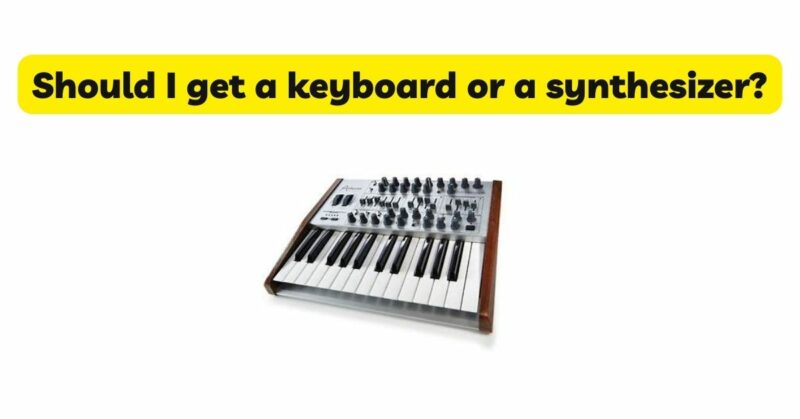
- Synthesizers: Synthesizers, on the other hand, are electronic musical instruments that generate and manipulate sound through various synthesis techniques. Synthesizers excel in creating unique and innovative sounds, going beyond the realm of traditional instrument tones. They offer extensive control over sound parameters, effects, and sound manipulation capabilities, providing musicians with endless creative possibilities.
II. Musical Purpose and Genre: The first factor to consider is your musical purpose and the genre you wish to explore. Understanding the sound palette and capabilities of each instrument in relation to your desired musical style is crucial.
- Keyboards: If your musical focus centers around playing piano music, classical repertoire, jazz, or other genres that heavily feature piano as the main instrument, a keyboard, particularly a digital piano, would be a suitable choice. Keyboards excel in replicating the sound and playing experience of acoustic pianos, allowing for expressive piano performances.
- Synthesizers: If your musical aspirations lean toward electronic music genres, experimental soundscapes, sound design, or creating your own unique sonic palette, a synthesizer would be the ideal instrument. Synthesizers provide an extensive range of sound design possibilities, enabling you to sculpt and manipulate sounds in ways that traditional keyboards cannot.
III. Sound Versatility and Flexibility: Consider the range of sounds you desire to explore and the versatility required for your musical endeavors. This will help determine which instrument aligns best with your creative aspirations.
- Keyboards: Keyboards, particularly digital pianos, often focus on emulating the sound and playing experience of acoustic pianos. While they may offer additional instrument sounds, their primary strength lies in delivering authentic piano tones. If your primary objective is to have a versatile instrument that primarily excels in piano sounds, a keyboard would be the suitable choice.
- Synthesizers: Synthesizers are renowned for their versatility in sound creation and manipulation. They offer a vast range of instrument sounds, effects, and sound-shaping capabilities. If you are inclined towards exploring different timbres, creating unique sonic textures, or incorporating electronic elements into your music, a synthesizer would be the instrument of choice.
IV. Performance Features and Expressiveness: Consider the performance features and expressiveness you desire in an instrument, as this can greatly impact your playing experience and the depth of expression in your music.
- Keyboards: Keyboards, especially stage pianos and high-end digital pianos, often include performance features such as built-in metronomes, recording capabilities, connectivity options, and weighted or semi-weighted keys that mimic the touch and response of an acoustic piano. These features allow for expressive playing and the ability to explore different piano techniques.
- Synthesizers: Synthesizers typically provide a range of performance features such as arpeggiators, sequencers, real-time control options (knobs, sliders, touch-sensitive surfaces), and the ability to create and manipulate sounds in real-time during live performances or studio recordings. These features empower musicians to shape their sound dynamically, adding expressiveness and versatility to their compositions.
V. Budget and Portability: Budget and portability are practical considerations that can influence your decision. Evaluating the financial investment required and the ease of transportation will help determine the most suitable instrument for your circumstances.
- Keyboards: Keyboards, especially digital pianos and stage pianos, come in a wide range of prices to accommodate different budgets. Portable options are available for those who prioritize ease of transportation. It is worth noting that high-end digital pianos with advanced features may come with a higher price tag.
- Synthesizers: Synthesizers can vary in terms of pricing, depending on their features, sound quality, and synthesis capabilities. Portable and compact synthesizers are available for musicians who prioritize mobility. However, high-end professional synthesizers with extensive sound design options may come with a higher price point.
VI. Personal Preference and Musical Journey: Ultimately, your personal preference and musical journey should play a significant role in your decision-making process. Consider your musical aspirations, long-term goals, and the instrument that resonates with your artistic sensibilities.
- Keyboards: If you have a strong affinity for piano music, enjoy classical repertoire, or aspire to become a skilled pianist, a keyboard, particularly a digital piano or stage piano, would provide the ideal platform for your musical journey. It would allow you to focus on developing your piano technique and exploring different piano styles and genres.
- Synthesizers: If you are fascinated by sound design, enjoy exploring new sonic territories, or wish to experiment with electronic music production, a synthesizer would be the instrument to choose. It would offer you endless creative possibilities, enabling you to sculpt unique sounds and create innovative music compositions.
VII. Conclusion: When deciding between a keyboard and a synthesizer, it is important to consider your musical purpose, desired sound versatility, performance features, budget, and personal preference. Both instruments have their unique strengths and can cater to different musical aspirations and genres.
If your primary focus is piano playing and emulating acoustic piano sounds, a keyboard, particularly a digital piano or stage piano, would be a suitable choice. On the other hand, if you are interested in exploring electronic music genres, sound design, and creating unique sonic textures, a synthesizer would be the ideal instrument to explore.
Ultimately, the choice between a keyboard and a synthesizer depends on your musical goals, preferences, and the specific musical path you wish to embark upon. Consider your priorities, evaluate the features and capabilities of each instrument, and select the one that resonates with your artistic vision and aspirations. Remember, the instrument you choose should inspire and support your musical journey, allowing you to express yourself creatively and explore the depths of your musicality.