
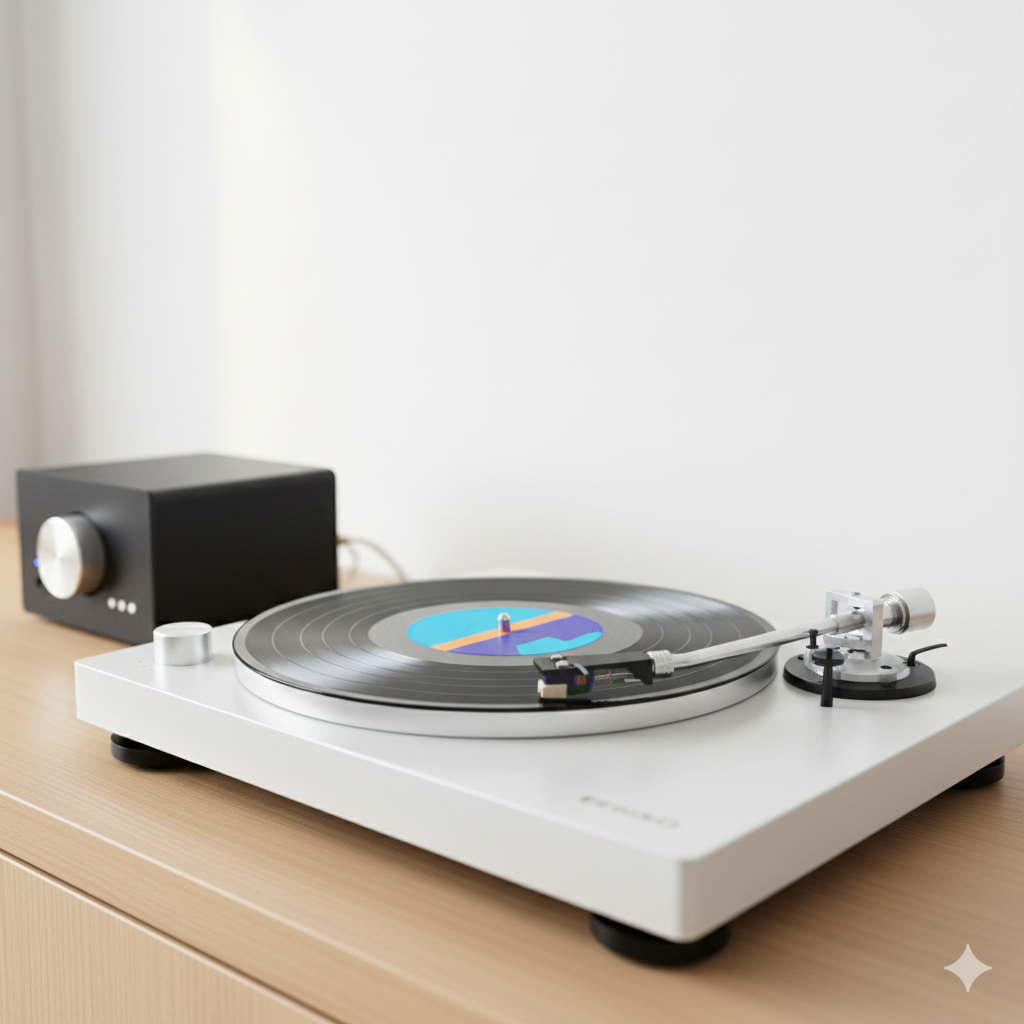
Vinyl records may look tough, but they’re surprisingly vulnerable. Unlike digital music, a record’s sound quality depends entirely on physical grooves—any damage, contamination, or deformation changes how your stylus reads the music. Whether you’re a casual listener or a collector, knowing what destroys vinyl is crucial to keeping your records sounding pristine.
This guide breaks down every major vinyl killer, why it’s harmful, and how to avoid it.
1. Heat and Sunlight – The #1 Vinyl Destroyer
Vinyl is a thermoplastic. That means heat bends it permanently.
Common causes of heat damage:
- Leaving records in a hot car
- Storing them near windows
- Keeping them close to radiators or amplifiers
- Direct sunlight on the turntable
What happens:
- Warping
- Groove deformation
- Speed instability and distortion
Even 30–40°C (86–104°F) can cause slow warping.
2. Dust, Dirt, and Oils – Silent Groove Killers
Dust and grime don’t just make records look dirty—they damage the grooves over time.
Big threats:
- Finger oils (from touching the grooves)
- Micro-dust particles
- Carpet fibers
- Smoke residue
What happens:
- Pops and crackles
- Muddy sound
- Abrasive wear on the stylus
- Permanent groove scratching
3. Mishandling and Poor Storage
Most record damage is caused simply by bad habits.
Common mistakes that destroy vinyl:
- Stacking records horizontally (causes warping)
- Leaning records at an angle
- Touching grooves with bare fingers
- Dropping the needle roughly
Good rule:
Always store records vertically, tightly enough to stand but not packed.
4. Cheap, Dirty, or Worn Styli
Your stylus is literally rubbing against your vinyl at 1,000+ times per second.
If it’s damaged, it will carve your records.
Harmful stylus issues:
- Worn-out diamond tips
- Misaligned cartridges
- Wrong tracking force (too heavy or too light)
- Cheap ceramic cartridges
Consequences:
- Permanent groove wear
- Distortion
- “Frying” noise
- Loss of high-frequency detail
5. Bad Cleaning Methods
Cleaning your vinyl is good—unless you do it wrong.
NEVER clean records with:
- Alcohol-heavy solutions (removes plasticizers)
- Tap water (minerals scratch)
- Paper towels (abrasive)
- Household cleaners (ammonia, bleach)
- T-shirts or fabrics that shed lint
These can cause:
- Microscopic scratches
- Groove damage
- Static buildup
- Chemical residue
6. Mold and Moisture
Vinyl doesn’t rot, but sleeves do—and mold loves paper.
Moisture issues lead to:
- Mold growing on record surfaces
- Sleeve contamination
- Musty smell
- Stubborn noise and pitting
Humidity should stay around 40–50%.
7. Static Electricity
Static might seem harmless, but it invites dust like a magnet.
What static does:
- Pulls abrasive particles into grooves
- Causes crackles
- Makes the stylus skip
- Increases wear
Anti-static inner sleeves help significantly.
8. Poor Turntable Setup
Even a clean, flat record can be damaged by a bad setup.
Setup problems that destroy vinyl:
- Incorrect tracking force
- Bad anti-skate settings
- Uneven platter
- Unbalanced tonearm
- Off-speed rotation
Result:
- Uneven wear
- Scratches
- “Ripping” or “grinding” sounds
The Biggest Vinyl Destroyers (Summary)
| Destroyer | Damage Caused |
|---|---|
| Heat & Sunlight | Warping, groove deformation |
| Dust & Oils | Noise, wear, scratches |
| Bad Stylus | Permanent groove damage |
| Poor Storage | Warping, bending |
| Wrong Cleaning Methods | Chemical/groove damage |
| Mold & Moisture | Surface pitting, sleeve decay |
| Static | Dust attraction, noise |
| Bad Turntable Setup | Excessive wear, distortion |
Final Thoughts
Vinyl records are timeless, but they’re fragile.
The key to preserving them is simple:
Keep them clean, cool, dry, and handled with care.
Protect your stylus, store them properly, and avoid dangerous cleaning shortcuts. With the right habits, your collection can last a lifetime—and still sound incredible decades from now.