
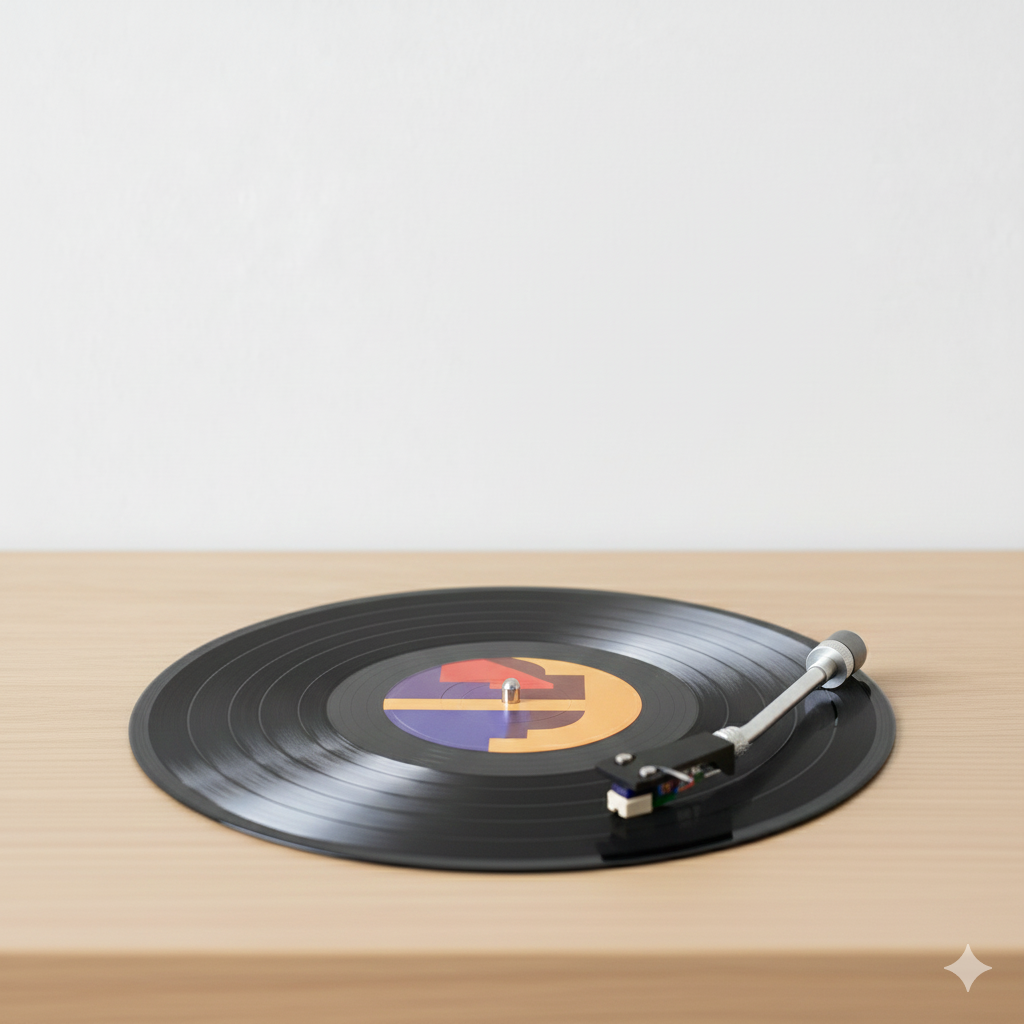
Vinyl records are surprisingly durable, but the wrong cleaning method—or the wrong cleaning product—can permanently damage them. From household cleaners to abrasive materials, many well-intentioned cleaning “tips” do far more harm than good.
To protect your records, your stylus, and your sound quality, here are the things you should never use when cleaning vinyl—and why.
❌ 1. Tap Water
While convenient, tap water is one of the worst things you can use.
It contains:
- Minerals
- Chlorine
- Sediments
These can leave deposits in the grooves, making noise worse and potentially harming your stylus. Always use distilled or deionized water instead.
❌ 2. Household Cleaners (Windex, Multi-Surface Sprays, etc.)
Household cleaners contain:
- Ammonia
- Surfactants
- Fragrances
- Coloring agents
These chemicals can leave residue, degrade vinyl compounds, or damage labels. They’re designed for glass, not delicate microgrooves.
❌ 3. Dish Soap
This one is controversial, but here’s the truth: most dish soaps contain:
- Perfumes
- Dyes
- Degreasers
- Additives
These leave residue in the grooves that attracts dust and interferes with stylus tracking. A few rare “pure soap” formulas are safe, but common brands are not.
❌ 4. Isopropyl Alcohol (in high concentration)
While mild alcohol dilution can help with extremely dirty records, high concentrations (40–100%) should never be used.
Excessive alcohol exposure may:
- Strip plasticizers
- Dry out vinyl compounds
- Cause long-term brittleness
- Damage shellac 78 RPM records completely
If you use alcohol at all, stick to under 20% dilution, and only for stubborn grime—not routine cleaning.
❌ 5. Vinegar
Often suggested as a natural cleaner, vinegar is acidic and can:
- Damage labels
- Leave residue
- Etch certain vinyl surfaces over time
It has no advantages for vinyl cleaning and plenty of drawbacks.
❌ 6. Paper Towels or Tissues
Paper fibers are abrasive.
They can:
- Scratch vinyl
- Leave lint behind
- Introduce static
Always use microfiber cloths or record-specific brushes.
❌ 7. Magic Eraser (on the record itself)
Magic Erasers are fantastic for stylus cleaning—but never for the record surface.
The melamine foam acts like a fine abrasive sponge, which can scratch vinyl microscopically.
Use it only for stylus tips.
❌ 8. Compressed Air Cans
These cans eject propellant along with air.
The propellant can:
- Leave oily residue
- Freeze and warp plastic
- Damage grooves
Use a carbon fiber brush instead.
❌ 9. Wood Glue (Unless You Know Exactly What You’re Doing)
The “wood glue peel” method can technically deep-clean records, but it is risky and unnecessary for most collectors.
Potential dangers:
- Glue getting onto the label
- Uneven drying
- Glue residue stuck in grooves
- Warping if misapplied
A proper cleaning solution or RCM is safer and more consistent.
❌ 10. Your Fingers
Skin oils contain:
- Sweat
- Salts
- Acids
These attract dust, degrade vinyl over time, and contaminate the stylus.
Always handle records by the edges and label.
🛑 The Bottom Line: What to Avoid
To protect your vinyl, avoid:
• Tap water
• Alcohol-heavy solutions
• Vinegar or acidic cleaners
• Household cleaners
• Dish soap
• Abrasive materials (paper towels, tissues, sponges)
• Compressed air cans
• Wood glue (unless experienced)
• Fingers/skin oils
These can all leave residue, scratch the surface, or chemically damage your records.
✅ What You Should Use Instead
For safe, effective cleaning:
- Distilled water
- Record cleaning fluid
- Non-ionic surfactant solution (Triton X-100, Tergitol)
- Carbon fiber anti-static brush
- Microfiber cloths
- Record cleaning machines (RCM or ultrasonic)
These keep your vinyl quiet, clean, and long-lasting.