
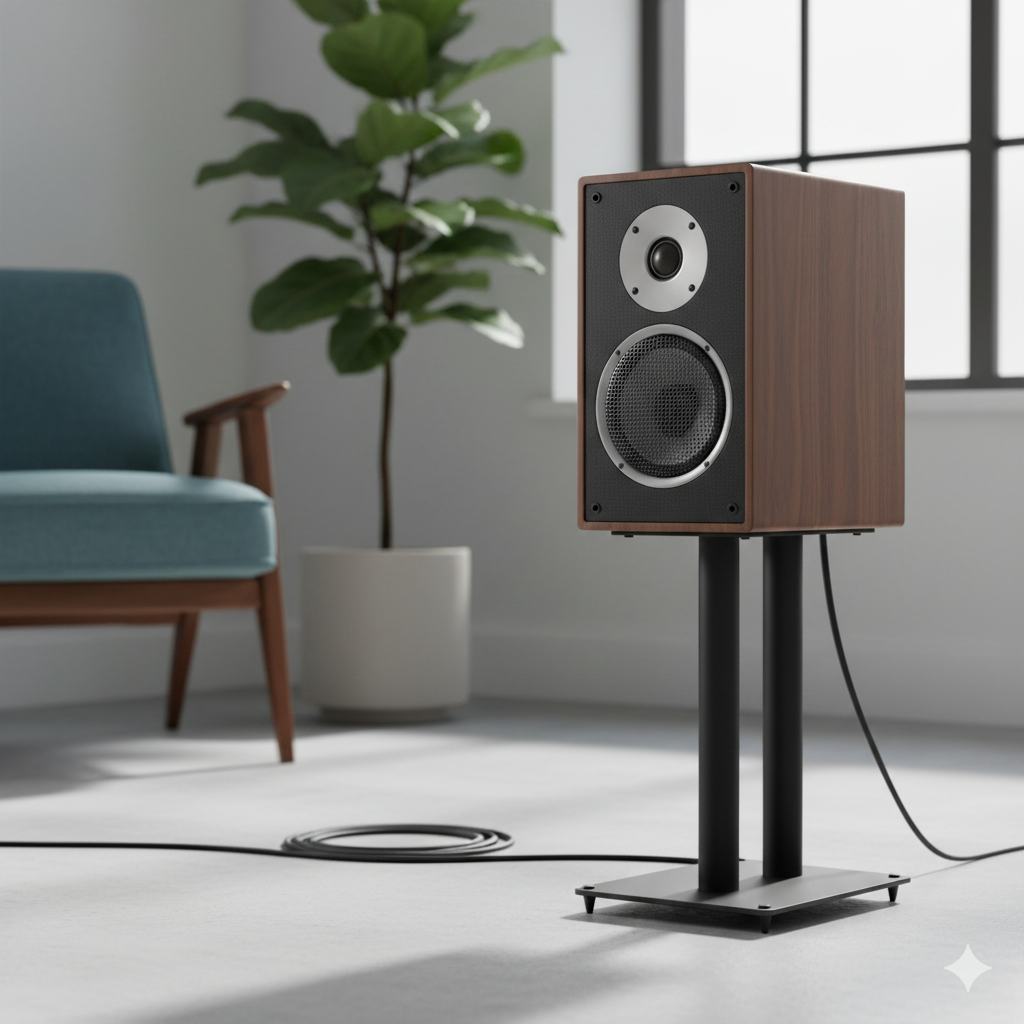
Many music lovers report the same curious experience: their audio system seems to sound better at night. The sound feels smoother, more detailed, more immersive—sometimes even magical. Is this just imagination, or is something real happening after the sun goes down?
The answer is a mix of physics, environment, and human perception. In some cases, your system is behaving differently. In others, you are.
The Most Common Explanation: It’s Quieter at Night
Lower Ambient Noise
At night:
- Traffic decreases
- Appliances are turned off
- Neighbors are quieter
- Outdoor noise drops significantly
This lower noise floor allows you to hear:
- Finer details
- Softer reverbs
- Subtle dynamics
Your system hasn’t changed—but your listening environment has.
Changes in Household Electrical Noise
Cleaner Power After Hours
During the day, the power grid is heavily loaded:
- Industrial machinery
- Office buildings
- Air conditioners
- Switching power supplies
At night, electrical demand drops, which can result in:
- Lower high-frequency noise on AC lines
- Reduced interference between devices
Sensitive components like DACs, phono stages, and preamps may perform slightly more cleanly under these conditions.
Reduced RF and Digital Interference
Wireless and digital noise also decline at night:
- Fewer active Wi-Fi networks
- Less cellular traffic
- Reduced switching noise from electronics
This can subtly improve:
- Background silence
- Imaging stability
- Low-level clarity
Again, the effect is usually small—but real in some environments.
Your Ears Work Differently at Night
Listening Fatigue Is Lower
After a full day:
- Visual and cognitive demands drop
- You’re less distracted
- Your brain focuses more on sound
With fewer competing stimuli, your perception becomes more sensitive.
Relaxation Changes Perception
When you’re calm:
- Music feels more immersive
- Harshness is less noticeable
- Emotional connection increases
This isn’t placebo—it’s how perception works.
Circadian Rhythm and Hearing Sensitivity
Some studies suggest that:
- Auditory sensitivity fluctuates throughout the day
- Perceived loudness and tonal balance can shift slightly
While subtle, these biological rhythms may contribute to nighttime listening impressions.
Speaker and Room Interaction at Night
Temperature and Air Density
At night:
- Air temperature drops
- Humidity often changes
These shifts slightly affect:
- Sound propagation
- High-frequency absorption
- Perceived clarity
The changes are small—but combined with other factors, they add up.
Different Listening Habits
At night, listeners often:
- Sit still
- Listen longer
- Play complete albums
- Avoid multitasking
This leads to deeper engagement and more consistent listening positions—both crucial for good sound.
Why the Difference Feels Dramatic
No single factor is responsible.
Instead, it’s the stacking effect of:
- Lower environmental noise
- Reduced electrical interference
- Increased mental focus
- More relaxed listening conditions
Together, they create a noticeable improvement.
Is It All Psychological?
Not entirely.
Some changes are physical and measurable (noise levels, interference). Others are perceptual—but that doesn’t make them invalid. Music is experienced by the brain, not just the equipment.
If it sounds better to you, it is better—for that moment.
How to Recreate “Night Sound” During the Day
You can get closer by:
- Lowering ambient noise
- Turning off unused electronics
- Using curtains or room treatment
- Listening without distractions
- Maintaining a consistent listening position
- Cleaning up power and cable routing
These steps often yield bigger gains than hardware upgrades.
Final Verdict: Why Does My System Sound Better at Night?
Because:
- The world is quieter
- The power is cleaner
- Your mind is calmer
- Your focus is sharper
Your system may not be changing much—but everything around it is.
And in audio, context matters as much as components.