
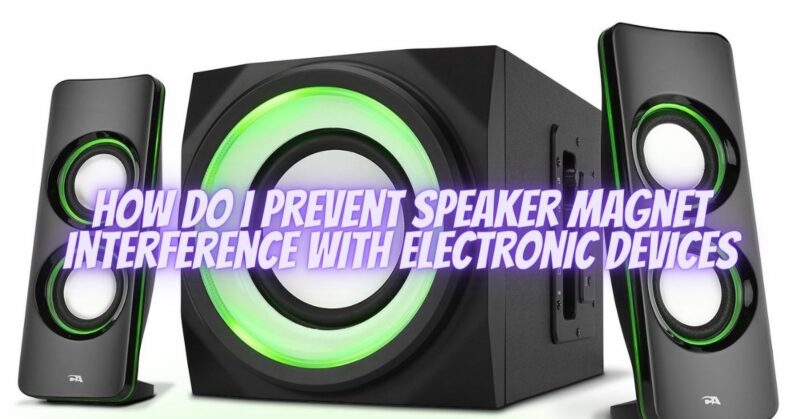
Speaker magnets can generate magnetic fields that have the potential to interfere with nearby electronic devices. This interference can manifest as distortion, humming sounds, or even malfunctioning of sensitive electronic equipment. To ensure optimal performance and avoid unwanted interference, it is important to take precautions to prevent speaker magnet interference with electronic devices. In this article, we will explore effective strategies and best practices to minimize the impact of speaker magnets on nearby electronic equipment.
- Proper Speaker Placement:
The placement of speakers in relation to electronic devices plays a crucial role in minimizing magnet interference:
a. Keep Distance: Place speakers at a reasonable distance from electronic devices such as televisions, computer monitors, amplifiers, and audio interfaces. A minimum distance of 1-2 feet (30-60 centimeters) is generally recommended, but the specific requirements may vary depending on the strength of the speaker magnets and the sensitivity of the electronic devices.
b. Magnetic Shielding: Consider speakers with magnetic shielding, which helps contain the magnetic field within the speaker enclosure and prevents it from spreading to surrounding devices. Magnetic shielding reduces the likelihood of interference, allowing for closer placement of speakers to electronic equipment.
- Cable Management:
Proper cable management can also help minimize the potential for magnet interference:
a. Separation: Keep speaker cables and power cables separate to prevent electromagnetic interference. Running them parallel or crossing them at close proximity can increase the likelihood of interference.
b. Cable Routing: Ensure that speaker cables are not routed too close to electronic devices or their cables. Avoid laying speaker cables directly on top of or parallel to other cables, as this can create a magnetic coupling effect and increase the chances of interference.
- Grounding and Electrical Safety:
Proper grounding and electrical safety measures are essential to reduce the risk of interference:
a. Ground Loops: Ground loops can contribute to interference issues. Ensure that all devices in the audio system, including speakers and electronic equipment, are properly grounded. Address ground loop issues by using ground loop isolators or implementing balanced audio connections when available.
b. Power Conditioners: Consider using power conditioners or surge protectors with built-in noise filtering capabilities. These devices help eliminate electrical noise and interference caused by power fluctuations, providing cleaner power to the electronic equipment.
- Shielded Audio Cables:
When connecting speakers to audio sources or amplifiers, using shielded audio cables can help minimize interference:
a. Shielding: Shielded cables feature a conductive layer or wire mesh around the signal-carrying wires. This shielding helps block electromagnetic interference and reduces the chances of interference from speaker magnets.
b. Quality Cables: Use high-quality shielded cables with proper shielding techniques. Poorly shielded cables may not offer adequate protection against interference.
- Speaker Enclosure Design:
The design and construction of speaker enclosures can influence the strength and spread of the magnetic field:
a. Sealed Enclosures: Speakers with sealed enclosures tend to have less magnetic field leakage compared to ported or vented designs. Consider sealed enclosures if minimizing magnetic interference is a priority.
b. Directionality: Some speaker designs focus the majority of the magnetic field towards the front or rear of the speaker. Understanding the directionality of the speaker’s magnetic field can aid in strategic placement to minimize interference.
Conclusion:
Preventing speaker magnet interference with electronic devices requires thoughtful consideration of speaker placement, cable management, grounding, and the use of shielded audio cables. By keeping speakers at a safe distance, using magnetic shielding when possible, managing cables appropriately, ensuring proper grounding, and employing quality shielded audio cables, you can minimize the potential for interference and enjoy uninterrupted performance from both your speakers and electronic devices. Taking these precautions will help preserve the integrity of audio signals, reduce distortion, and ensure the smooth operation of your electronic equipment in the presence of speaker magnets.