
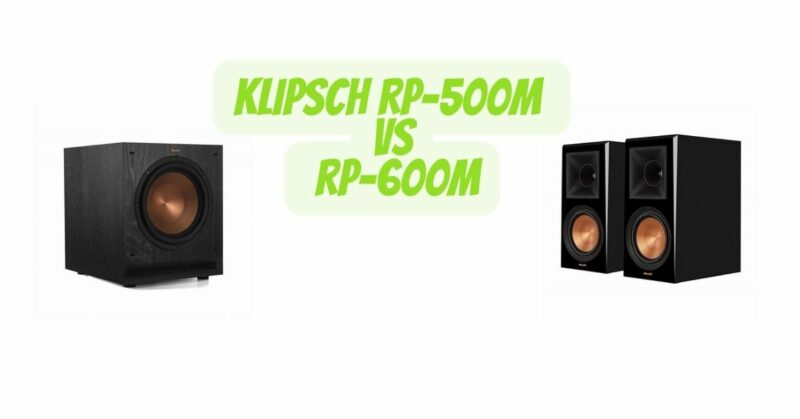
Klipsch is a well-established brand known for producing high-quality speakers that deliver dynamic and powerful sound. In this article, we will compare two popular bookshelf speaker models from Klipsch: the RP-500M and RP-600M. We will explore their design, sound performance, build quality, and other factors to help you determine which speaker best suits your audio preferences and listening environment.
Design and Build Quality
The Klipsch RP-500M and RP-600M share a similar design philosophy, featuring Klipsch’s signature horn-loaded tweeter technology that enhances efficiency and provides clear and detailed high-frequency reproduction. Both models have a classic and timeless design, with the RP-600M being slightly larger in size. They are constructed with high-quality materials, including MDF cabinets and durable finishes, ensuring longevity and robust build quality.
Sound Performance
The sound performance of the RP-500M and RP-600M is where they truly shine. The RP-500M features a 1-inch titanium LTS vented tweeter paired with a 5.25-inch spun copper Cerametallic woofer. This combination delivers detailed highs and punchy, well-defined bass. On the other hand, the RP-600M takes it a step further with a larger 6.5-inch woofer, providing deeper bass extension and increased overall output. The larger woofer size in the RP-600M offers a more impactful and immersive listening experience, especially in larger rooms.
Sensitivity and Power Handling
The sensitivity and power handling capabilities of the speakers play an important role, especially when paired with different amplifiers or receivers. The RP-500M has a sensitivity of 93 dB and a power handling of 75W RMS (300W peak), making it relatively efficient and compatible with a wide range of amplifiers. The RP-600M, with a sensitivity of 96 dB and a power handling of 100W RMS (400W peak), is even more sensitive and can handle higher power, allowing for louder playback and greater dynamic range.
Frequency Response and Room Size
Consider the size of your listening room when selecting bookshelf speakers, as it can impact their performance. The RP-500M has a frequency response of 48Hz – 25kHz, while the RP-600M extends its bass response further, ranging from 45Hz to 25kHz. This additional low-end capability of the RP-600M makes it better suited for larger rooms or listeners who prefer more bass impact. The RP-500M, with its slightly smaller size, may be better suited for medium-sized rooms where its bass response is still substantial.
Placement and Room Acoustics
Both speakers can be placed on bookshelves or speaker stands, allowing for flexibility in positioning. However, it’s important to consider room acoustics and the distance from surrounding walls, as this can affect sound quality. The RP-500M and RP-600M are both rear-ported speakers, so leaving some space between the speakers and walls can help prevent bass reflections and optimize performance.
Price Considerations
Price is an important factor to consider when comparing the RP-500M and RP-600M. The RP-500M generally falls within a more affordable price range, offering excellent value for its performance. On the other hand, the RP-600M is priced slightly higher due to its larger woofer and enhanced bass extension. Consider your budget and sonic preferences when making your decision.
Conclusion
Both the Klipsch RP-500M and RP-600M are impressive bookshelf speakers that offer exceptional sound performance and build quality. The RP-500M provides detailed highs and satisfying bass for its size, making it a great choice for smaller to medium-sized rooms. The RP-600M, with its larger woofer and increased power handling, delivers a more impactful and immersive listening experience, particularly in larger rooms. Choose the model that aligns with your budget, room size, and desired sonic characteristics, and enjoy the immersive audio experience that Klipsch speakers are known for providing.