
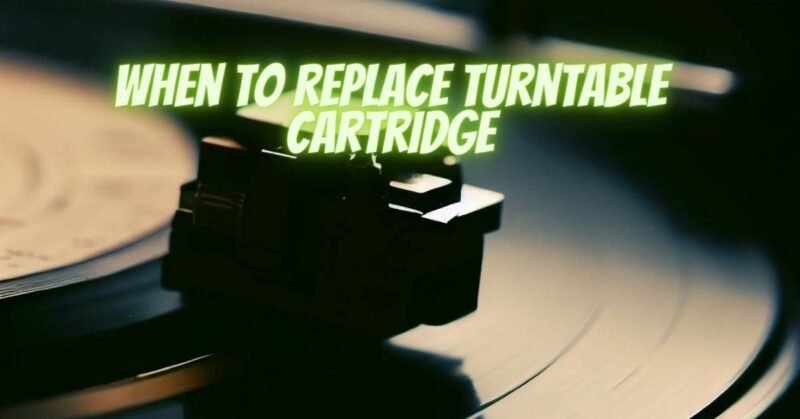
The turntable cartridge, which houses the stylus (needle), plays a crucial role in reproducing sound from vinyl records. Over time, cartridges can wear out or become damaged, impacting sound quality and overall performance. Knowing when to replace a turntable cartridge is important to maintain optimal playback and prevent further damage to your vinyl collection. In this article, we will discuss the signs and considerations that can help you determine when it’s time for a cartridge replacement.
- Reduced Sound Quality:
One of the primary indicators that it’s time to replace a turntable cartridge is a noticeable decline in sound quality. If you observe a lack of clarity, diminished dynamics, distorted sound, or an overall deterioration in audio fidelity, it suggests that the cartridge is no longer performing at its best. This can be due to stylus wear, damaged internal components, or a loss of cartridge compliance.
- Excessive Surface Noise:
A deteriorating cartridge can introduce unwanted surface noise, such as crackling, popping, or hissing sounds, that detract from the listening experience. If you notice an increase in surface noise that persists across different records and is not attributable to the condition of the vinyl itself, it may be a sign that the cartridge needs replacement. Excessive surface noise can also indicate a worn-out stylus.
- Tracking Issues and Skipping:
Tracking problems, such as skipping or jumping across the record surface, are clear signs of a cartridge in need of replacement. If your turntable struggles to track properly, it can result in skipped passages of music or even damage to the record grooves. If you’ve tried adjusting tracking force and anti-skate settings without success, it’s likely time for a new cartridge.
- Visual Inspection:
Perform a visual inspection of the cartridge and stylus. Look for any visible signs of wear, damage, or deformation. If the stylus appears worn-down, broken, or bent, it’s a clear indication that the cartridge needs replacement. Additionally, examine the condition of the cartridge body for any signs of damage, loose connections, or misalignment.
- Age and Usage:
Consider the age and usage of the cartridge. Most cartridges have a recommended lifespan, typically measured in hours of use. If you’ve been using the same cartridge for a significant period, especially if it has accumulated several hundred hours of playback, it may be nearing the end of its usable lifespan. Even if there are no obvious issues, it’s worth considering a replacement to ensure optimal performance.
- Upgrade Opportunities:
Cartridge replacement presents an opportunity for upgrading your turntable setup. Higher-quality cartridges often offer improved sound quality, tracking ability, and compatibility with a wider range of styli options. If you’re seeking enhanced performance or wish to explore different stylus types (e.g., moving magnet or moving coil), a cartridge replacement can be a strategic choice.
Conclusion:
Knowing when to replace a turntable cartridge is essential for maintaining high-quality vinyl playback. Look for signs such as reduced sound quality, excessive surface noise, tracking issues, and visible wear or damage. Consider the age and usage of the cartridge, as well as the potential for upgrades. If you’re experiencing any of these issues or if the cartridge has reached its recommended lifespan, it’s advisable to explore replacement options. A new cartridge can revitalize your turntable’s performance, ensuring optimal sound reproduction and preserving the longevity of your vinyl collection.