
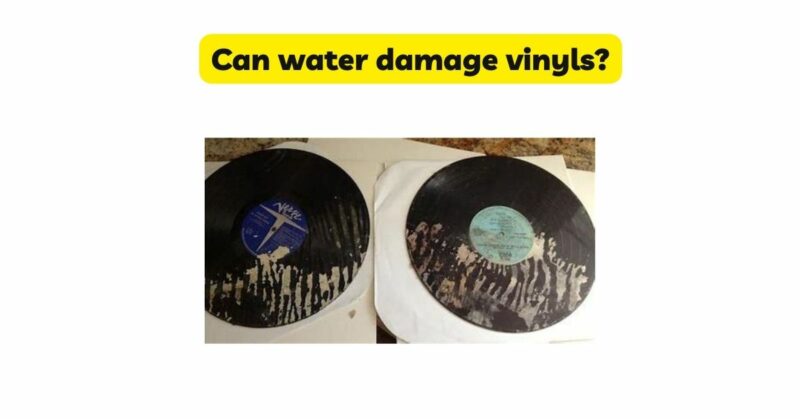
Vinyl records are treasured possessions for enthusiasts and collectors alike, and proper care is essential for their longevity. Among the concerns surrounding vinyl record care, one question frequently arises: Can water damage vinyl records? In this article, we will explore the topic of water damage in relation to vinyl records, examining the potential risks, dispelling misconceptions, and providing practical tips for preserving vinyl collections. By understanding the properties of vinyl records, the impact of water exposure, and implementing proper care techniques, readers will gain a comprehensive understanding of how to safeguard their beloved vinyl records.
I. Understanding Vinyl Record Composition
To grasp the potential impact of water on vinyl records, it is important to understand their composition. Vinyl records consist of a polyvinyl chloride (PVC) material pressed into a disc shape. This PVC formulation contains additives, such as plasticizers, which give the record its flexibility and durability.
II. The Risks of Water Exposure
While vinyl records are resilient, water exposure can pose risks. Let’s explore the potential risks and their impact on vinyl records:
- Warping: Vinyl records are susceptible to warping when exposed to excessive moisture or uneven drying. Warping causes the record to deviate from its flat shape, leading to playback issues and potential damage to the stylus.
- Label Damage: Water exposure can cause damage to the record labels, including ink smudging, fading, or peeling. This can affect the record’s visual appeal and decrease its value.
- Mold and Mildew Growth: Moisture can create a conducive environment for mold and mildew growth on vinyl records. These fungi can cause discoloration, degradation, and unpleasant odors, impacting both the record’s appearance and audio quality.
- Stylus Damage: Water can impact the stylus (needle) of the turntable, leading to corrosion or blunting. A damaged stylus can compromise sound quality and potentially cause further damage to the vinyl grooves.
III. Proper Handling and Storage Practices
Adopting appropriate handling and storage practices is crucial to protect vinyl records from water damage:
- Avoiding Direct Water Exposure: Prevent vinyl records from coming into direct contact with water or excessive moisture. Keep them away from sinks, windows, and areas prone to water spills or leaks.
- Use Proper Cleaning Techniques: When cleaning vinyl records, use suitable cleaning methods and products specifically designed for vinyl. Avoid excessive moisture during the cleaning process and ensure proper drying before playback.
- Inner and Outer Sleeves: Protect vinyl records with high-quality inner and outer sleeves. Inner sleeves prevent the record surface from direct contact with the jacket, reducing the risk of water damage. Outer sleeves provide additional protection against moisture and dust.
- Proper Storage: Store vinyl records in a cool, dry, and stable environment. Avoid areas with high humidity or temperature fluctuations, as these can increase the risk of water damage and mold growth.
IV. Salvaging Water-Damaged Vinyl Records
If a vinyl record does come into contact with water, prompt action can help salvage it:
- Remove Excess Moisture: Gently pat the record with a clean and absorbent cloth to remove any visible water. Avoid wiping in a circular motion, as this may cause scratches.
- Air Drying: Place the record in a vertical position, leaning against a wall or bookshelf, allowing it to air dry naturally. Avoid exposure to direct sunlight or heat sources, as these can further damage the record.
- Professional Restoration: If the damage is extensive or you are uncertain about the record’s condition, consult a professional record restoration service. They have the expertise and equipment to assess and restore water-damaged records.
Conclusion
While water exposure can pose risks to vinyl records, it is important to understand that proper handling, storage, and cleaning practices can significantly minimize the chances of water damage. By adopting preventive measures, vinyl enthusiasts can safeguard their collections and enjoy their records for years to come. Remember to handle records with care, store them in suitable conditions, and use proper cleaning techniques to maintain their integrity and preserve their audio quality. With the right knowledge and attention, water damage to vinyl records can be effectively prevented, ensuring the longevity and enjoyment of these timeless musical artifacts.