
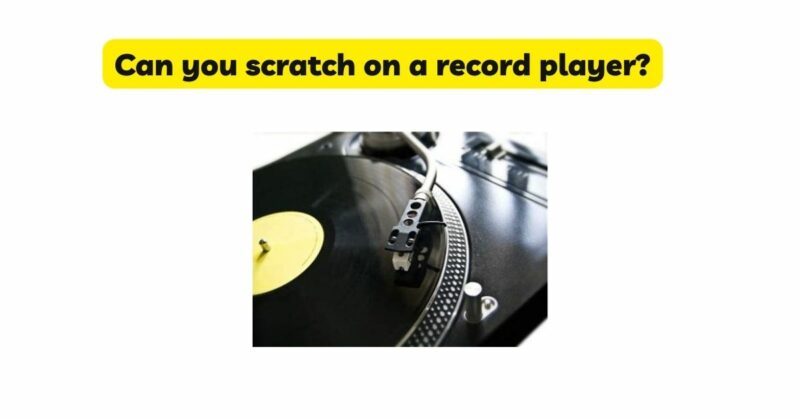
Scratching is a widely recognized and celebrated technique in the world of DJing and turntablism. However, there is often confusion surrounding whether it is possible to scratch on a regular record player. In this article, we delve into the possibilities and limitations of scratching on a record player. By understanding the fundamentals of scratching, exploring the features of a record player, and discussing techniques and considerations, we aim to provide a comprehensive guide to scratching on a record player.
I. Understanding Scratching
To explore the potential for scratching on a record player, it is crucial to understand the technique itself. Here are some key aspects of scratching:
- Definition and Purpose: Scratching is a DJ technique that involves manipulating a vinyl record on a turntable to create rhythmic and percussive sound effects. It adds a unique and dynamic element to DJ performances and mixes.
- Technique and Skills: Scratching requires precise hand movements, control of the record’s speed, and coordination between the turntable platter and the crossfader on a mixer. DJs develop various scratching techniques, such as baby scratch, chirp, flare, and transform, to achieve different sound effects.
II. Features of a Record Player
To assess the feasibility of scratching on a record player, it is important to understand the features and components of a typical record player. Here are some key considerations:
- Turntable Design: Record players come in various designs, including belt-driven or direct-drive turntables. Direct-drive turntables are generally preferred for scratching due to their quicker start-up time and better torque control.
- Platter Size and Weight: The size and weight of the turntable platter can affect its stability and resistance to movement during scratching. Heavier platters with better inertia are typically preferred for scratching to maintain consistent rotation.
- Tonearm and Tracking Ability: The tonearm’s design and tracking ability play a crucial role in scratching. A tonearm with low friction, anti-skating control, and adjustable tracking force is desirable for accurate and controlled tracking during scratching.
III. Techniques and Considerations
Scratching on a record player requires some adjustments and considerations to optimize the experience. Here are some techniques and factors to keep in mind:
- Slipmats and Vinyl Weight: Using slipmats on the turntable platter reduces friction and allows for smoother hand movements during scratching. Additionally, heavier vinyl records can help stabilize the platter and minimize unwanted movement.
- Stylus and Cartridge Selection: Upgrading to a cartridge specifically designed for scratching, such as a DJ cartridge with a robust stylus, can enhance tracking ability and durability. The choice of stylus shape (spherical, elliptical) can also affect the sound and scratching performance.
- Adjusting Tracking Force and Anti-Skating: Properly calibrating the tracking force and anti-skating settings according to the manufacturer’s recommendations is crucial. This ensures accurate tracking and minimizes excessive wear on the stylus during scratching.
- Technique and Control: Mastering scratching techniques requires practice, precision, and control. DJs should experiment with different hand movements, finger placements, and crossfader techniques to develop their own unique style.
IV. Limitations and Alternative Options
While scratching on a record player is possible, it is important to acknowledge the limitations. Here are some factors to consider:
- Durability: Record players, particularly those not specifically designed for scratching, may experience more wear and tear on the components involved in scratching, such as the stylus and cartridge. Regular maintenance and replacement may be necessary.
- Sound Quality: Scratching can introduce additional noise and wear to the record’s surface, potentially affecting the overall sound quality. DJs should be mindful of the condition of their records and choose appropriate techniques to minimize these effects.
- Dedicated DJ Turntables: For DJs who are serious about scratching, investing in dedicated DJ turntables that are designed with features specifically for scratching, such as high-torque motors and adjustable pitch control, may offer a better scratching experience.
Conclusion
Scratching on a record player is indeed possible and can be a creative and expressive technique for DJs. By understanding the fundamentals of scratching, optimizing the features of a record player, and employing proper techniques and considerations, DJs can explore and enjoy the art of scratching on a record player. While there may be limitations and considerations regarding durability and sound quality, with practice, care, and the right equipment, scratching on a record player can be a rewarding and exciting endeavor that adds a unique touch to DJ performances and mixes.