
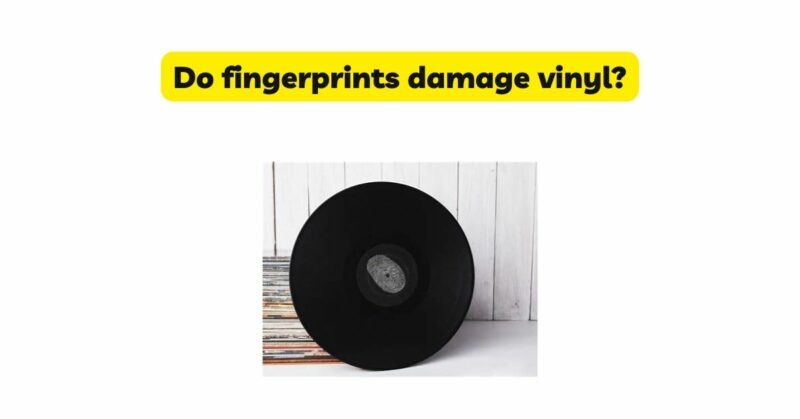
Vinyl records have garnered a loyal following for their warm sound and nostalgic appeal. However, there has been ongoing speculation about the impact of fingerprints on vinyl records. In this article, we aim to examine whether fingerprints truly pose a risk to the integrity and sound quality of vinyl records. By exploring the composition of vinyl, the nature of fingerprints, and proper handling techniques, readers will gain a comprehensive understanding of the potential effects fingerprints may have on vinyl and how to maintain the longevity and sound quality of their cherished collections.
I. Understanding the Composition of Vinyl Records
- Vinyl Formulation: Vinyl records are composed of polyvinyl chloride (PVC), a durable and flexible material that is commonly used in various applications.
- Record Structure: The audio information is stored within the grooves of the record, which are engraved on the vinyl surface. These grooves are delicate and require careful handling to preserve their integrity.
II. The Nature of Fingerprints
- Composition of Fingerprints: Fingerprints are comprised of oils, sweat, and other substances naturally present on human skin. They can vary in composition and concentration depending on an individual’s physiology.
- Chemical Interactions: The oils and acids present in fingerprints can potentially interact with the vinyl surface, leading to concerns about damage and degradation.
III. The Impact of Fingerprints on Vinyl Records
- Surface Contamination: Fingerprints can leave visible marks on the vinyl surface, leading to concerns about aesthetic appeal. However, these surface contaminants do not necessarily impact the audio quality during playback.
- Sound Quality: While fingerprints may cause minor surface noise or pops when the stylus encounters them during playback, the effect is generally minimal and temporary. The stylus is designed to track the grooves and reproduce the audio accurately, even when encountering minor imperfections on the vinyl surface.
- Cleaning and Maintenance: Regular cleaning of vinyl records with appropriate methods and solutions can remove fingerprints and improve overall playback performance.
IV. Best Practices for Handling Vinyl Records
- Clean Hands: Before handling vinyl records, it is crucial to ensure that hands are clean and free from oils, lotions, or any substances that could transfer onto the record surface.
- Handling Technique: Minimize direct contact with the vinyl surface by holding records by their outer edges or the center label. This reduces the likelihood of fingerprints and potential damage.
- Protective Measures: Using inner sleeves and outer protective sleeves can provide an additional layer of defense against fingerprints and other contaminants, safeguarding the vinyl surface.
- Regular Cleaning: Implementing a regular cleaning routine using appropriate record cleaning solutions and tools can help remove fingerprints and maintain optimal sound quality.
V. Debunking Common Myths
- Myth: Fingerprints cause permanent damage to vinyl records. In reality, fingerprints do not irreparably harm the vinyl or significantly affect the sound quality when proper cleaning and handling techniques are employed.
- Myth: Fingerprints lead to vinyl degradation over time. While prolonged exposure to oils and acids may have some long-term effects, regular cleaning and proper storage mitigate this risk.
VI. Conclusion
While fingerprints on vinyl records may raise concerns among collectors and enthusiasts, the potential damage they cause is often overstated. Proper handling techniques, regular cleaning, and the use of protective measures can significantly minimize any impact on the sound quality and longevity of vinyl records. It is essential to remember that vinyl records are designed to withstand reasonable handling, including occasional contact with clean fingertips. By adopting best practices, music lovers can continue to enjoy the tactile experience and nostalgic charm of vinyl records while preserving their collections for years to come.