
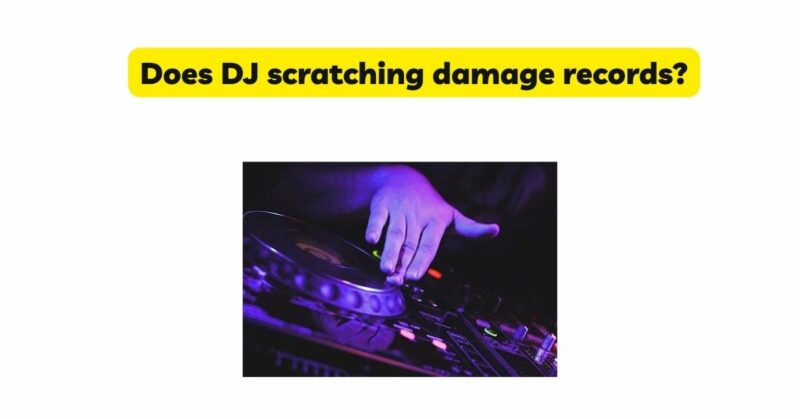
DJ scratching is a fundamental technique in hip-hop and electronic music, known for its rhythmic and percussive sound effects. However, a common concern among vinyl enthusiasts is whether DJ scratching can cause irreparable damage to records. In this article, we delve into the world of DJ scratching, exploring the mechanics behind the technique, the potential impact on vinyl records, and the measures DJs can take to minimize any potential harm. By understanding the dynamics of scratching, considering the condition of the records, and implementing proper techniques and equipment, we aim to shed light on whether DJ scratching truly poses a threat to the lifespan of vinyl records.
I. The Mechanics of DJ Scratching
To determine the potential impact of DJ scratching on vinyl records, it’s essential to understand the mechanics involved in the technique. Here are some key factors to consider:
- Stylus Pressure: DJ scratching involves manipulating the record by using a crossfader and manipulating the turntable’s platter. The stylus exerts pressure on the record as it makes contact with the grooves, creating the desired scratching sound.
- Back-Cueing and Forward Scratching: DJs employ techniques such as back-cueing (moving the record backward) and forward scratching (moving the record forward) to achieve various scratching effects. These techniques require precise control over the turntable and stylus movement.
II. Vinyl Record Durability and Condition
Vinyl records are robust and designed to withstand repeated plays, including DJ scratching. However, certain factors can impact their durability and susceptibility to damage:
- Record Quality: The quality of the vinyl record itself plays a crucial role. High-quality records manufactured with durable materials tend to withstand scratching better than lower-quality or poorly maintained records.
- Record Condition: Scratching a damaged or poorly maintained record increases the risk of exacerbating existing issues, such as deep scratches, warping, or dust accumulation. Proper care, including regular cleaning and storage in protective sleeves, can help maintain the condition of records.
III. Techniques and Equipment to Minimize Damage
Experienced DJs and turntablists employ several techniques and equipment to minimize the potential damage caused by scratching. Here are some essential practices:
- Quality Turntables and Needles: Investing in high-quality turntables and needles designed for DJ scratching can reduce the risk of record damage. These components are built to withstand the demands of scratching, offering better tracking and reduced wear on records.
- Slipmats and Vinyl Records: Slipmats placed between the record and the platter can reduce friction and minimize potential damage. Additionally, using scratch-specific vinyl records, often made from more durable materials, can help preserve regular records in a DJ’s collection.
- Proper Stylus Alignment and Tracking Force: Ensuring proper stylus alignment and tracking force is crucial. Improper alignment or excessive tracking force can result in unnecessary wear on the grooves, leading to record damage. Regular maintenance and calibration of the turntable setup are essential.
- Controlled Pressure and Technique: DJs should apply controlled pressure and use proper scratching techniques to minimize excessive wear on the records. Developing precise finger and hand movements can help reduce the risk of deep scratches or groove damage.
- Record Rotation: DJs often rotate their records, using different sections to distribute wear evenly. By spreading the load across multiple sections of a record, DJs can prolong the lifespan and minimize the impact on individual grooves.
IV. DJ Scratching as an Art Form
It’s crucial to recognize DJ scratching as an art form that demands skill, creativity, and precision. Skilled DJs understand the importance of preserving their records and take measures to minimize damage. While occasional light scratches or cosmetic marks may occur, these are often an acceptable byproduct of the scratching technique and do not significantly impact the listening experience.
Conclusion
The notion that DJ scratching irreparably damages vinyl records is largely a myth. While excessive or careless scratching can potentially cause harm, experienced DJs who employ proper techniques, use suitable equipment, and maintain their records can minimize any potential damage. Vinyl records are durable and designed to withstand the demands of DJ scratching when handled responsibly. By understanding the mechanics of scratching, recognizing the importance of record quality and condition, and implementing techniques and equipment to reduce wear, DJs can continue to push the boundaries of their art form without sacrificing the longevity of their beloved vinyl records. Ultimately, DJ scratching is an expressive and innovative technique that contributes to the vibrant culture of music and deserves to be celebrated as a skilled craft rather than feared for causing damage.