
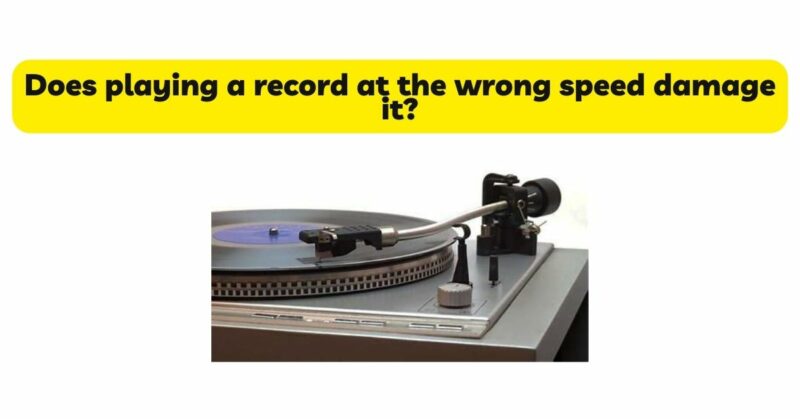
Playing vinyl records at the correct speed is essential for ensuring optimal sound quality and preserving the integrity of the record. However, there is often confusion and concern regarding the potential damage that can occur when playing a record at the wrong speed. In this article, we will delve into this topic and explore whether playing a record at the wrong speed can indeed cause damage. We will examine the technical aspects of vinyl records, discuss the potential consequences of incorrect speed settings, and provide practical tips for avoiding any detrimental effects. By understanding the relationship between speed and record playback, we can make informed decisions to protect our cherished vinyl collections.
I. The Basics of Record Speeds
To comprehend the impact of playing records at the wrong speed, it’s crucial to understand the different speeds at which vinyl records are designed to be played. The most common record speeds are:
- 33 1/3 RPM (Revolutions Per Minute): This speed is commonly used for full-length albums (LPs) and provides the standard playback time of approximately 20-25 minutes per side.
- 45 RPM: This speed is typically used for singles and EPs (Extended Plays). Playing a record at this speed reduces the playback time per side to around 5-7 minutes.
- 78 RPM: This older speed was commonly used for early shellac and some vintage vinyl records. Most modern turntables do not support this speed, so it is less relevant for contemporary record collections.
II. Consequences of Playing at the Wrong Speed
Playing a record at the wrong speed can result in several consequences, both in terms of audio quality and potential physical damage:
- Audio Distortion: Playing a record at a speed other than the one it was intended for will cause significant audio distortion. The pitch will be altered, making the music sound too fast or too slow. The vocals and instruments may be out of tune, and the overall listening experience will be compromised.
- Groove Damage: Playing a record at an incorrect speed for an extended period can potentially damage the grooves. For example, playing a 33 1/3 RPM record at 45 RPM will cause the stylus to traverse the grooves too quickly. This excessive wear can lead to groove distortion, loss of detail, and diminished audio quality over time.
- Stylus and Cartridge Wear: Incorrect playback speeds can place additional stress on the stylus (needle) and cartridge. Playing records at higher speeds than intended can increase the tracking force and cause premature wear on these components. This wear can affect the stylus shape and alignment, leading to a degradation in sound quality and potentially requiring more frequent replacement.
- Turntable Motor Strain: Playing records at the wrong speed may strain the turntable motor, especially if the incorrect speed significantly deviates from the intended setting. This strain can potentially lead to motor damage or increased wear, affecting the overall performance and longevity of the turntable.
III. Best Practices for Playing Records
To ensure that records are played at the correct speed and minimize any potential damage, follow these best practices:
- Set the Speed Correctly: Always set the turntable speed to match the speed indicated on the record label. Most modern turntables have speed selectors or buttons that allow you to choose between 33 1/3 RPM and 45 RPM. Ensure the correct speed is selected before placing the record on the turntable.
- Verify Speed Accuracy: Periodically check the accuracy of your turntable’s speed using a speed calibration tool or strobe disc. These tools help you confirm that the turntable is playing records at the correct speed, providing peace of mind and ensuring accurate playback.
- Be Mindful of Vintage Records: If you own vintage records that were designed for 78 RPM, exercise caution. Modern turntables typically don’t support this speed, so it’s crucial to avoid attempting to play these records at the incorrect speed. Consider investing in a vintage turntable or a specialized turntable capable of playing 78 RPM records if you have a significant collection of these discs.
- Handle Records with Care: When placing records on or removing them from the turntable, handle them by the edges or the label area. Avoid touching the playing surface or the grooves to minimize the risk of leaving fingerprints or causing damage.
- Regularly Maintain Your Turntable: Proper maintenance of your turntable is crucial for accurate playback and to minimize the risk of speed inconsistencies. Follow the manufacturer’s instructions for cleaning and lubricating the turntable, and ensure the belt (if applicable) is properly tensioned and in good condition.
Conclusion
Playing a record at the wrong speed can indeed have negative consequences on both audio quality and the physical condition of the record. Audio distortion, groove damage, stylus wear, and strain on the turntable motor are potential issues that can arise. To protect your vinyl collection and ensure optimal playback, it’s essential to set the correct speed on your turntable, verify speed accuracy, handle records with care, and maintain your turntable regularly. By following these best practices, you can enjoy the full richness and fidelity of your vinyl records while preserving their long-term integrity.