
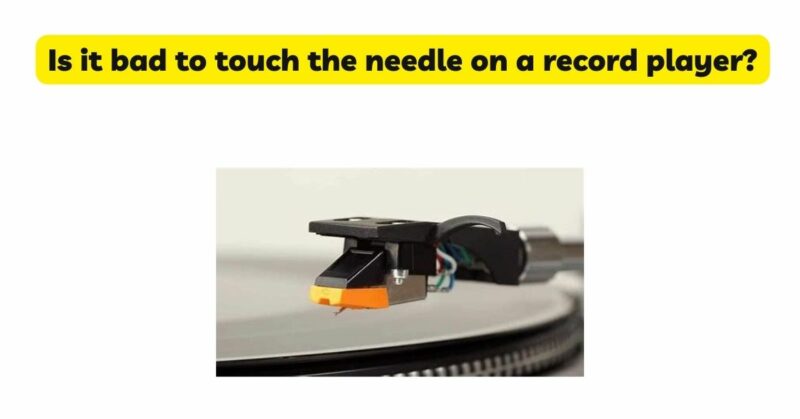
Vinyl records have a certain allure and nostalgia, and many enthusiasts hold them with great care. One commonly debated topic is whether it is bad to touch the needle on a record player. In this article, we delve into the world of record players and explore the implications of touching the needle. By understanding the mechanics of record players, the composition of needles, and the potential risks and precautions involved, we aim to debunk the myth and provide a comprehensive understanding of the impact of touching the needle on a record player.
I. Understanding the Needle
To determine the potential effects of touching the needle on a record player, it’s crucial to understand the composition and function of the needle. Here are some key aspects to consider:
- Stylus Construction: The needle, also known as the stylus, is a delicate component of a record player’s cartridge. It is typically made from materials like diamond, sapphire, or other hard-wearing substances. These materials are chosen for their durability and their ability to track the grooves of the vinyl record accurately.
- Needle Function: The needle’s primary function is to make physical contact with the record’s grooves, converting the vibrations into an electrical signal that is then amplified and reproduced as sound.
II. Risks Associated with Touching the Needle
While it is generally advisable to avoid touching the needle on a record player, the risks associated with doing so are often misunderstood. Here are some key considerations:
- Damage to the Needle: The needle is delicate and sensitive to force or impact. Excessive pressure or mishandling while touching the needle can potentially damage or misalign its delicate tip, leading to compromised audio quality or even rendering the needle unusable.
- Contamination and Dirt: Touching the needle directly with fingers can transfer oils, dirt, or debris onto its surface. These contaminants can affect the playback quality, leading to increased surface noise or distortion.
III. Best Practices for Handling the Needle
While it is generally recommended to avoid touching the needle directly, there are certain situations where it may be necessary to handle it. Here are some best practices for safely handling the needle on a record player:
- Using Gloves: If it becomes necessary to handle the needle directly, using clean, lint-free gloves can help minimize the risk of contamination or damage.
- Proper Alignment: If the needle needs to be adjusted or replaced, following the manufacturer’s guidelines and instructions is essential. Improper alignment can affect tracking ability and audio quality.
- Tweezers or Tools: When precise adjustments are required, using fine-tipped tweezers or specialized tools designed for handling needles can provide better control and minimize the risk of damage.
IV. Maintenance and Care
Proper maintenance and care of the needle are crucial for preserving its performance and longevity. Here are some key maintenance practices:
- Regular Cleaning: Cleaning the stylus regularly using a specialized stylus brush or cleaning solution can remove dust and debris, ensuring optimal playback and reducing the risk of contamination.
- Storage and Protection: When not in use, it is recommended to use a stylus guard or cover to protect the needle from accidental damage or contamination.
- Professional Assistance: If there are significant issues with the needle’s performance or alignment, seeking professional assistance from a knowledgeable technician can help ensure proper handling and maintenance.
Conclusion
While it is generally advisable to avoid touching the needle on a record player, the potential risks associated with doing so are often exaggerated. The needle is a delicate component that requires careful handling, but with proper precautions and best practices, the risks can be minimized. By understanding the composition of the needle, the potential risks of touching it, and the recommended maintenance practices, vinyl enthusiasts can enjoy their records while preserving the integrity and performance of the needle. It is essential to approach the needle with care and handle it only when necessary, following manufacturer guidelines or seeking professional assistance when needed.