
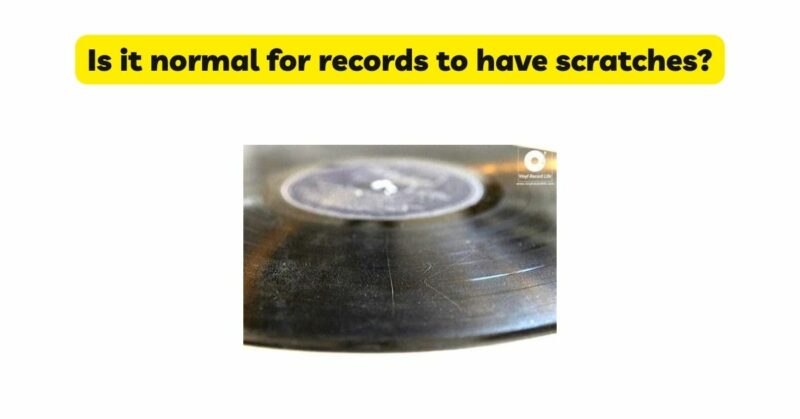
Vinyl records have been cherished for their warm sound and nostalgic appeal. However, scratches on vinyl records are a common concern among collectors and enthusiasts. In this article, we will delve into the topic of scratches on vinyl records, exploring their normalcy, potential impact on sound quality, and methods for preserving records in the face of scratches. By gaining a deeper understanding of scratches and adopting proper care techniques, readers will be equipped to maintain the longevity and enjoyment of their vinyl collections.
I. The Nature of Vinyl Records
To comprehend the presence of scratches on vinyl records, it is important to understand the nature of the medium itself:
- Vinyl Composition: Vinyl records are made of a polyvinyl chloride (PVC) compound, a durable material that can withstand repeated playbacks. However, it is not entirely impervious to scratches.
- Groove Structure: The audio content of vinyl records is stored in grooves that are susceptible to damage. The physical contact between the stylus and the grooves can result in scratches over time.
II. Understanding the Causes of Scratches
Scratches can occur due to various factors. Let’s explore some common causes:
- Handling Errors: Mishandling records during removal from or placement onto the turntable can lead to accidental scratches. Improper storage, stacking, or dropping records can also cause scratches.
- Dust and Debris: Dust particles or other debris present on the record surface or stylus can create scratches when the needle passes over them. Regular cleaning and maintenance can help minimize this risk.
- Worn or Damaged Needles: A worn or damaged stylus can dig deeper into the grooves, causing more significant scratches. Regular replacement and proper maintenance of the stylus are crucial.
- Record Condition: Used or vintage records may already have scratches from previous playings or inadequate storage. Additionally, records in poor condition, with visible surface damage, are more prone to scratches.
III. The Impact of Scratches on Sound Quality
Scratches can affect the playback experience, but the extent of their impact depends on various factors:
- Audible Noise: Light scratches may result in minor surface noise, such as clicks and pops, which can be tolerable and add a certain charm to the listening experience.
- Tracking Errors: Deeper or more significant scratches can cause tracking errors, where the stylus may skip or jump across the grooves. This can disrupt the playback and potentially damage the stylus or cartridge.
- Sound Fidelity: Deep or severe scratches can distort the sound, introducing skips, crackles, or repetitive noise during playback. This can diminish the overall audio quality and listening pleasure.
IV. Preserving Vinyl Records and Minimizing Scratches
While scratches may be inevitable to some degree, there are several practices that can help minimize their occurrence and preserve the overall condition of vinyl records:
- Proper Handling: Handle records with clean hands and avoid touching the playing surface. Use the outer edges or the center label to hold the record when removing it from its sleeve.
- Cleanliness and Maintenance: Keep records and stylus clean to minimize the risk of dust or debris causing scratches. Use appropriate cleaning methods and tools recommended for vinyl record care.
- Proper Storage: Store records upright in their sleeves, in a cool, dry, and stable environment. Avoid stacking records horizontally, as this can increase the likelihood of scratches.
- Protective Measures: Consider using inner sleeves or anti-static sleeves to provide an additional layer of protection against scratches. Outer sleeves can safeguard the record jackets from external damage.
- Needle Care: Regularly inspect and clean the stylus to remove any debris that may contribute to scratching. Replace the stylus when it shows signs of wear or damage.
V. The Value of Used and Scratched Records
It is worth noting that while scratches can impact the sound quality and collectible value of vinyl records, they do not necessarily render them worthless. Some collectors and enthusiasts appreciate the unique character and history that scratched records bring, particularly for vintage or rare releases.
VI. Conclusion
Scratches on vinyl records are a common occurrence due to the nature of the medium and various factors involved in handling and playback. While scratches can impact the sound quality and listening experience, their severity and significance vary. By adopting proper handling techniques, regular maintenance, and appropriate storage practices, collectors and enthusiasts can minimize the risk of scratches and preserve the overall condition of their vinyl records. Remember, scratches do not necessarily diminish the value or enjoyment of a record, and a well-cared-for collection can still provide countless hours of musical pleasure.