
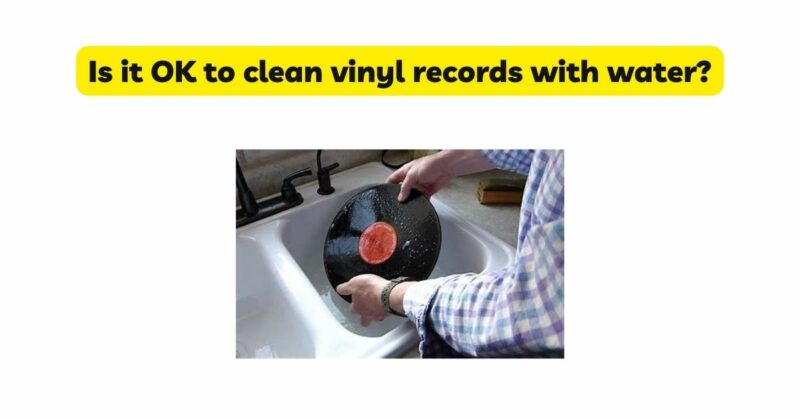
Vinyl record enthusiasts understand the importance of proper cleaning to maintain the quality and longevity of their collections. However, a common question arises: Is it safe to clean vinyl records with water? In this article, we will delve into the topic of vinyl record cleaning, addressing the concerns surrounding the use of water and dispelling any misconceptions. By exploring effective cleaning methods, understanding the potential risks, and providing practical tips, we aim to offer a comprehensive understanding of vinyl record cleaning and help enthusiasts make informed decisions about the best practices for preserving their cherished records.
When you clean a vinyl record with water, you are essentially washing away the dirt, dust, and grime that has accumulated on the surface of the record. This can help to improve the sound quality of your records and make them last longer.
However, it is important to use distilled water when cleaning vinyl records. Tap water can contain minerals that can damage the records. You should also avoid using any harsh chemicals or detergents, as these can also damage the records.
Here are the steps on how to clean vinyl records with water:
- Gather your supplies. You will need a clean microfiber cloth, distilled water, and a spray bottle.
- Fill the spray bottle with distilled water.
- Lightly mist the microfiber cloth with the distilled water.
- Gently wipe the record in a circular motion, starting from the center and working your way out.
- Be careful not to get the record too wet.
- Dry the record with a clean microfiber cloth.
I. The Importance of Cleaning Vinyl Records
Regular cleaning of vinyl records is essential to remove dust, dirt, oils, and other debris that can accumulate on the playing surface. Proper cleaning enhances audio quality, reduces surface noise, and helps prolong the life of both the record and the stylus. Neglecting to clean records can result in audio degradation and premature stylus wear, compromising the overall listening experience.
II. The Use of Water in Vinyl Record Cleaning
Cleaning vinyl records with water is a common method employed by many enthusiasts. Let’s examine the benefits and considerations associated with this approach:
- Effectiveness: Water is a natural solvent that effectively removes most types of dirt and debris from vinyl records. When used correctly, it can help restore the sound quality and enhance the overall playback experience.
- Safety Precautions: While water can be effective, it is important to take precautions to ensure the safety of the records. Direct contact with excessive moisture can lead to warping, label damage, mold growth, or other forms of water damage. Therefore, it is essential to use water judiciously and follow proper cleaning techniques.
- Distilled or Deionized Water: To minimize the risk of introducing impurities or minerals onto the record surface, it is advisable to use distilled or deionized water for vinyl record cleaning. These types of water are free from contaminants and provide a safer cleaning solution.
- Appropriate Application Techniques: When using water for cleaning, it is important to avoid excessive moisture on the record surface. The use of a microfiber cloth, soft brush, or record cleaning machine, along with gentle wiping or brushing motions, can help prevent excess moisture from seeping into the record grooves.
III. Alternative Vinyl Record Cleaning Methods
For individuals who prefer to avoid using water, there are alternative cleaning methods available:
- Dry Brushing: Dry brushing involves using a specialized anti-static brush designed for vinyl records. The brush’s bristles attract and remove dust and debris without the need for liquid cleaning solutions. Dry brushing is a gentle and effective method for regular maintenance between more thorough cleanings.
- Record Cleaning Solutions: Commercially available record cleaning solutions are specifically formulated to clean vinyl records effectively. These solutions are designed to lift dirt and grime from the record surface without causing damage. They often contain anti-static properties and leave a protective film to reduce future dust attraction.
- Record Cleaning Machines: Record cleaning machines provide a comprehensive cleaning solution, combining cleaning solutions and vacuum extraction to remove dirt, dust, and debris from the record grooves. These machines offer a more thorough and efficient cleaning process, but they may require a larger investment.
IV. Best Practices for Vinyl Record Cleaning
To ensure the safety and effectiveness of vinyl record cleaning, consider the following best practices:
- Gentle Handling: Handle records with care to avoid fingerprints, scratches, or damage. Hold records by their edges or use record clamps or center spindles when cleaning or playing them.
- Cleaning in a Controlled Environment: Clean records in a clean and dust-free environment to minimize the risk of introducing additional contaminants onto the record surface during the cleaning process.
- Regular Maintenance: Incorporate regular cleaning into your vinyl record maintenance routine to prevent the buildup of dirt and debris. This reduces the need for more intensive cleaning methods and helps preserve the overall condition of the records.
- Consider Professional Cleaning: For valuable or heavily soiled records, consider seeking professional record cleaning services. These services utilize specialized equipment and cleaning techniques to safely and effectively restore the records’ quality.
Conclusion
Cleaning vinyl records with water can be a safe and effective method when performed correctly and with caution. Proper application techniques, the use of distilled or deionized water, and moderation are key to preventing any potential water damage. Alternatively, dry brushing, record cleaning solutions, and record cleaning machines offer viable options for individuals who prefer alternative cleaning methods. By following best practices, vinyl enthusiasts can maintain the cleanliness and integrity of their record collections, ensuring an optimal listening experience and the longevity of their cherished vinyl records.