
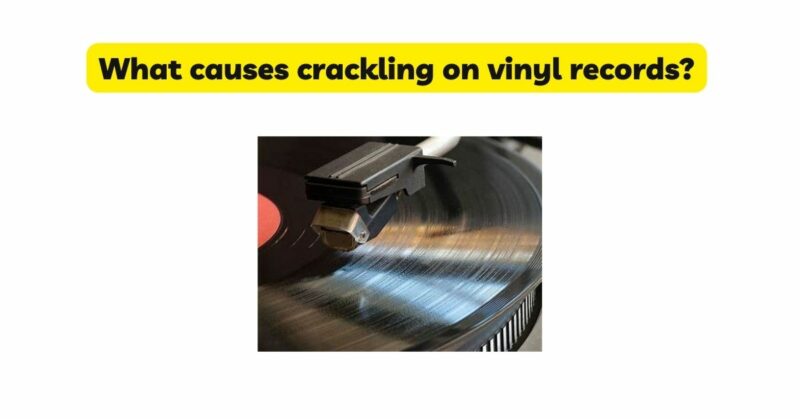
Vinyl records have made a remarkable resurgence in recent years, captivating audiophiles with their warm and authentic sound. However, despite their popularity, vinyl records are not immune to certain issues that can affect the listening experience. One such issue is the crackling or popping sound that can be heard during playback. In this article, we will delve into the various causes of crackling on vinyl records, exploring both inherent factors related to the medium itself and external factors that can impact playback quality.
- Dust and Dirt
One of the most common causes of crackling on vinyl records is the presence of dust and dirt particles. These particles can accumulate on the record surface and within the grooves, leading to friction and interference during playback. As the stylus moves along the grooves, it encounters these particles, resulting in audible crackling sounds. Regular cleaning of vinyl records using a carbon fiber brush, record cleaning solution, or a record cleaning machine can significantly reduce crackling caused by dust and dirt.
- Worn or Damaged Stylus
A worn or damaged stylus (also known as a needle) can cause crackling and distortion during playback. Over time, the stylus can become worn out or accumulate debris, affecting its ability to track the record accurately. A damaged stylus can also cause excessive friction and uneven contact with the record surface, leading to crackling sounds. Regular maintenance and replacement of the stylus, as recommended by the manufacturer, can help minimize crackling caused by a worn or damaged stylus.
- Record Wear and Damage
Vinyl records are delicate and can be prone to wear and damage over time. As records are played repeatedly, the stylus gradually wears down the grooves, which can introduce crackling and pops. Scratches, scuffs, and warps on the record surface can also cause disruptions in playback and result in crackling sounds. Proper handling, storage, and careful use of the record player can help prevent unnecessary wear and damage, reducing the occurrence of crackling on vinyl records.
- Static Electricity
Static electricity buildup can create crackling sounds on vinyl records. When the record attracts static electricity, dust particles and other debris are drawn to its surface, leading to crackling during playback. This is particularly common in dry environments or during seasons with low humidity. Using an anti-static brush or record mat, and ensuring proper grounding of the turntable and audio system, can help mitigate the effects of static electricity and reduce crackling caused by this factor.
- Poor Quality Pressings
In some cases, crackling can be attributed to poor quality pressings of vinyl records. Low-quality materials, improper manufacturing techniques, or subpar mastering can result in records with surface imperfections, such as uneven grooves or surface noise. These imperfections can lead to crackling sounds during playback. While it’s challenging to identify poor quality pressings before purchasing, purchasing records from reputable labels and reading reviews can help minimize the chances of encountering crackling caused by substandard manufacturing.
- Environmental Factors
Environmental conditions can also contribute to crackling on vinyl records. High levels of humidity can cause the vinyl to absorb moisture, leading to mold growth or damage to the record surface. Similarly, extreme temperature fluctuations can cause the vinyl to expand or contract, affecting the overall integrity of the record. It is important to store records in a controlled environment with stable temperature and humidity levels to avoid damage and minimize crackling.
Conclusion
Crackling on vinyl records can be a frustrating experience for audiophiles and enthusiasts. Understanding the various causes of crackling, including dust and dirt, worn or damaged stylus, record wear and damage, static electricity, poor quality pressings, and environmental factors, can help in troubleshooting and preventing such issues. Regular cleaning and maintenance, careful handling and storage, and investing in high-quality records can significantly reduce crackling and preserve the integrity of the vinyl listening experience. By addressing these factors, listeners can enjoy the full richness and fidelity of their vinyl collection without the distractions of crackling and pops.