
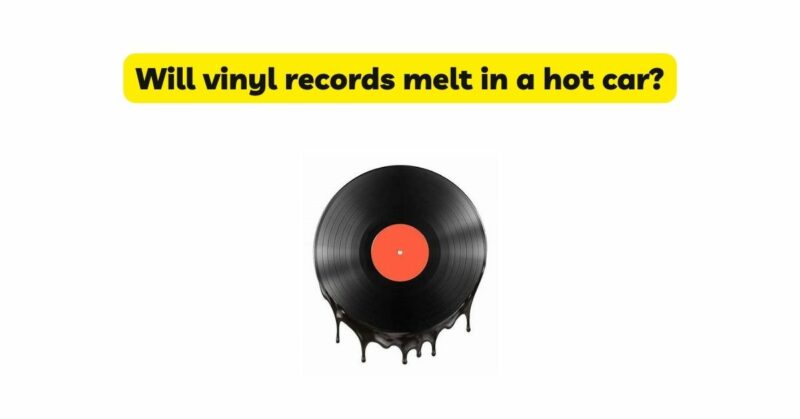
Vinyl records have experienced a resurgence in popularity, captivating music enthusiasts with their unique sound and nostalgic appeal. However, vinyl record collectors often express concerns about the effects of heat, particularly leaving records in hot cars. In this article, we will explore the impact of high temperatures on vinyl records, shedding light on the risks involved and offering practical guidance for preserving vinyl collections. By understanding the vulnerabilities of vinyl records to heat, implementing proper storage and transportation practices, and taking preventive measures, we can ensure the longevity of our cherished vinyl collections.
I. The Vulnerability of Vinyl to Heat
- Vinyl Composition: Vinyl records are made from a polyvinyl chloride (PVC) compound, which has a relatively low melting point compared to other materials. Exposure to high temperatures can cause vinyl records to warp, soften, or even melt.
- Heat-Related Damage: The impact of heat on vinyl records includes warping, loss of shape, distortion of grooves, and deterioration of sound quality. Excessive heat can irreversibly damage vinyl records, rendering them unplayable.
II. Risks of Leaving Vinyl Records in a Hot Car
- Elevated Temperatures: The inside of a car can reach extreme temperatures on hot days, especially if parked in direct sunlight. These elevated temperatures can pose a significant risk to vinyl records.
- Warping and Softening: Heat can cause vinyl records to warp, losing their flat shape and resulting in uneven playback. Additionally, prolonged exposure to heat can soften the vinyl, making it more susceptible to damage.
- Groove Damage and Sound Quality Loss: High temperatures can distort the grooves of vinyl records, leading to skips, surface noise, and compromised sound quality. The delicate balance of the grooves, which is crucial for accurate playback, can be disrupted by heat.
III. Best Practices for Vinyl Record Storage and Transportation
- Avoid Leaving Records in a Hot Car: The most effective preventive measure is to never leave vinyl records in a hot car, especially during hot weather conditions. Even a short period of exposure to extreme heat can cause irreversible damage.
- Store Vinyl Records in a Cool Environment: When not in use, vinyl records should be stored in a cool and dry environment, away from direct sunlight and heat sources. Proper storage helps maintain the record’s integrity and minimizes the risk of heat-related damage.
- Transport Vinyl Records Safely: When transporting vinyl records, take precautions to protect them from excessive heat. Use insulated bags, protective cases, or boxes to shield records from direct sunlight and the heat of the car interior.
IV. Recovery and Restoration
- Addressing Warping: If a vinyl record has warped due to heat exposure, there are methods to attempt to restore its flat shape. This includes using weighted mats, vinyl record flatteners, or professional restoration services.
- Sound Quality Improvement: In some cases, heat-related damage may affect the sound quality of vinyl records. Techniques such as wet cleaning, proper stylus care, and using high-quality playback equipment can help mitigate the impact and enhance the listening experience.
V. Long-Term Vinyl Preservation
- Proactive Vinyl Preservation: To safeguard vinyl collections from heat-related damage, consider implementing long-term preservation strategies. This includes digitizing vinyl records to create backups, storing vinyl records in climate-controlled environments, and regularly inspecting records for signs of deterioration.
- Education and Awareness: Spreading awareness about the risks of heat to vinyl records is crucial. Educating fellow collectors and enthusiasts about proper storage and transportation practices can help preserve the integrity of vinyl collections for future generations.
Conclusion
Vinyl records hold a special place in the hearts of music lovers, and their preservation is of utmost importance. While vinyl records are durable and designed to withstand normal use, they are susceptible to damage from heat, especially when left in hot cars. Understanding the vulnerabilities of vinyl records to heat and implementing preventive measures can significantly reduce the risk of damage. By avoiding leaving records in hot cars, storing them in a cool environment, and using proper transportation methods, vinyl enthusiasts can ensure the longevity and enjoy the pristine sound quality of their collections. Remember, the key to preserving vinyl records is knowledge, care, and a commitment to maintaining optimal conditions for these cherished musical artifacts.