
Audio interfaces are essential tools for recording and producing music, providing high-quality audio inputs and outputs for musicians and producers. One common question that arises is whether headphone splitters can be used with audio interfaces to connect multiple headphones. In this article, we will explore the compatibility of headphone splitters with audio interfaces and discuss the factors to consider when using them in a professional recording or mixing environment.
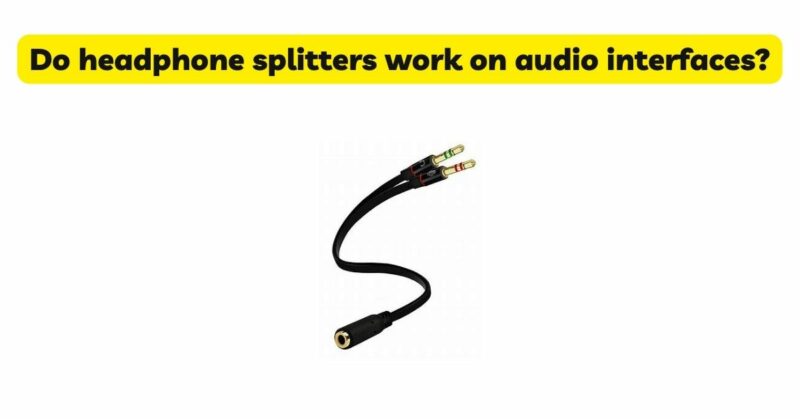
- Understanding Headphone Splitters: Headphone splitters are small devices that allow multiple headphones to be connected to a single audio source. They typically feature a single input and multiple output jacks, enabling multiple users to listen to the same audio signal simultaneously. However, the compatibility of headphone splitters with audio interfaces depends on various factors.
- Output Configurations of Audio Interfaces: Audio interfaces have different output configurations, and this determines whether they can work effectively with headphone splitters. Consider the following scenarios:
a. Dedicated Headphone Outputs: Many audio interfaces feature dedicated headphone outputs, which are designed to power multiple headphones simultaneously. These outputs typically provide sufficient power and impedance matching for multiple headphones without the need for a headphone splitter.
b. Line Outputs: Some audio interfaces do not have dedicated headphone outputs but feature line outputs, which send line-level signals. In this case, a headphone splitter can be used to connect multiple headphones, but additional considerations are necessary to ensure optimal performance.
- Impedance and Power Considerations: When using a headphone splitter with an audio interface, it’s crucial to consider impedance and power requirements to avoid potential issues such as volume loss or distortion. Here’s what you need to know:
a. Impedance Matching: Different headphones have varying impedance levels, and it’s important to match the impedance of the headphones with the output impedance of the audio interface. A mismatch can result in imbalanced audio levels or poor sound quality. If the headphones have significantly different impedance levels, using a headphone amplifier or dedicated headphone distribution system may be necessary for proper impedance matching.
b. Power Distribution: The power output of the audio interface’s headphone output or line output should be sufficient to drive multiple headphones. If the power is limited, connecting multiple headphones through a splitter may result in reduced volume levels or inadequate power for proper headphone performance. In such cases, a dedicated headphone amplifier or distribution system may be a better solution.
- Quality and Signal Integrity: Another consideration when using headphone splitters with audio interfaces is maintaining signal integrity and audio quality. Here are a few points to keep in mind:
a. Signal Loss: Using a headphone splitter can potentially introduce signal loss, especially if the splitter is of lower quality or not designed to handle multiple headphones properly. This can result in reduced audio levels and compromised sound quality. Using high-quality splitters or dedicated headphone distribution systems can help minimize signal loss.
b. Noise and Crosstalk: Poorly designed or low-quality splitters may introduce unwanted noise or crosstalk between headphone outputs. This can result in interference or bleed between headphones, negatively impacting the listening experience. Opting for splitters that provide isolation between outputs can mitigate this issue.
- Professional Considerations: In professional recording or mixing environments, it’s essential to ensure accurate monitoring and control over individual headphone mixes. While headphone splitters can allow multiple users to listen simultaneously, they don’t provide independent control over individual headphone levels or mixes. In such cases, a dedicated headphone distribution system or headphone amplifier with multiple outputs and individual controls is recommended.
Conclusion: While headphone splitters can technically be used with audio interfaces to connect multiple headphones, their compatibility and effectiveness depend on several factors. Consider the output configurations, impedance matching, power requirements, and signal integrity when deciding to use a headphone splitter. In professional recording or mixing environments, dedicated headphone distribution systems or amplifiers may be preferable for individual control and optimal performance. Remember, the goal is to provide a reliable and high-quality monitoring experience for multiple users, and choosing the appropriate equipment and configurations will ensure just that.