
Drum heads play a crucial role in shaping the sound and performance of drums. As a drummer, it’s important to understand the lifespan of drum heads to ensure optimal sound quality, performance, and durability. In this article, we will explore the factors that affect the longevity of drum heads and provide insights into how long drum heads typically last.
- Playing Style: The lifespan of drum heads is influenced by the drummer’s playing style. Drummers who play with more intensity, hit hard, or frequently use rim shots may experience faster wear on their drum heads. Additionally, drummers who play more frequently or engage in aggressive playing techniques such as blast beats or heavy fills may require more frequent replacement of drum heads.
- Drumming Technique: The way drummers strike the drum heads affects their lifespan. Proper technique, including hitting the drum heads at the appropriate angle and using proper stick rebound, can help prolong their life. Drummers who consistently strike the drum heads with precision and avoid excessive force or unnecessary rim hits can reduce wear and extend the lifespan of their drum heads.
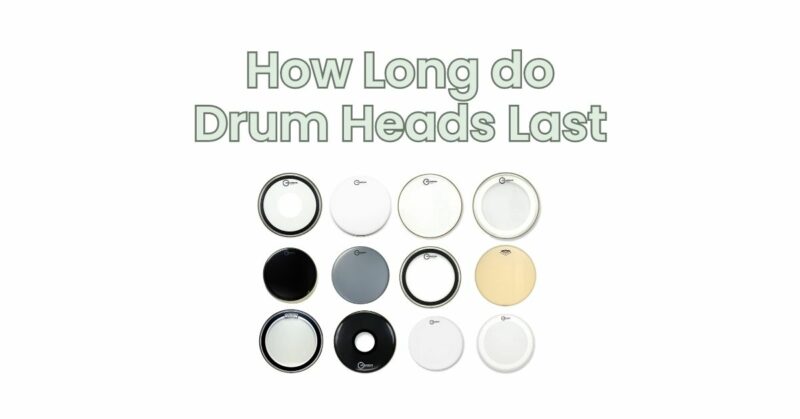
- Drum Head Type and Material: Different types of drum heads, such as coated, clear, or hybrid, have varying levels of durability. Coated drum heads, which have a thin layer of coating applied to the surface, generally offer a warmer and more focused sound but may wear out more quickly than clear heads. Clear drum heads, on the other hand, provide brighter tones and tend to be more durable. Hybrid drum heads, which combine different materials, offer a balance between durability and tonal characteristics.
- Drumming Environment: The playing environment can significantly impact the lifespan of drum heads. Extreme temperatures, high humidity, or exposure to direct sunlight can weaken the drum heads and lead to premature wear or damage. Additionally, playing on poorly maintained or damaged drum shells can affect the life of the drum heads. Regularly inspecting and maintaining your drum shells can help preserve the life of the drum heads.
- Maintenance and Care: Proper maintenance and care can significantly extend the lifespan of drum heads. Regularly cleaning drum heads with a mild detergent and soft cloth can remove dirt, oil, and residue, allowing them to maintain their integrity and sound quality. Avoid using harsh chemicals or abrasive materials that can damage the drum heads. Additionally, tuning your drum heads correctly and avoiding over-tightening can prevent unnecessary stress and prolong their lifespan.
Average Lifespan: The lifespan of drum heads can vary depending on several factors mentioned above. On average, drum heads can last anywhere from a few months to a year or more, depending on usage and maintenance. Heavy hitters or drummers who play frequently may need to replace drum heads more often, while drummers with a lighter touch or less frequent playing may enjoy longer-lasting drum heads.
Signs of Wear and Replacement: Several signs indicate that it’s time to replace drum heads:
- Visible signs of damage, such as punctures, tears, or significant dents.
- Reduced responsiveness or loss of tone quality.
- Excessive wear or flaking of the coating (if applicable).
- Difficulty tuning or inconsistent sound across the drumhead.
- Uneven tension or warping of the drumhead.
Replacing drum heads in a timely manner will ensure consistent sound, better performance, and reduce the risk of drum head failure during live performances or recording sessions.
The lifespan of drum heads is influenced by playing style, drumming technique, drum head type and material, playing environment, and proper maintenance. Understanding these factors can help drummers make informed decisions about drum head replacement. Regular inspection, maintenance, and timely replacement of worn-out drum heads will ensure optimal sound quality, performance, and longevity for your drumming endeavors.