
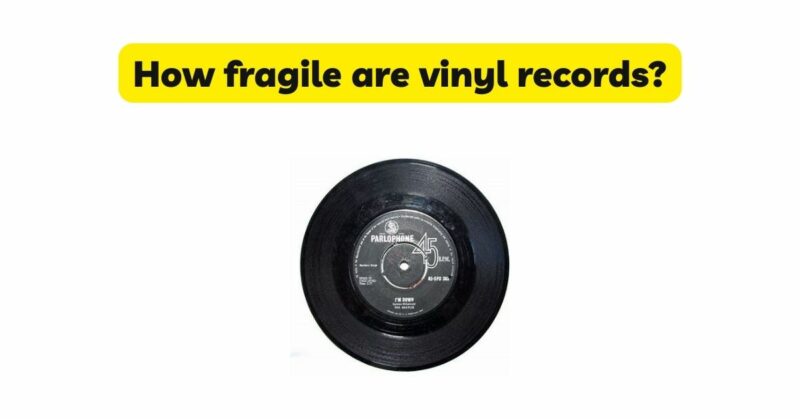
Vinyl records have long been cherished for their warm sound and nostalgic appeal. However, their delicate nature requires careful handling and protection to ensure their longevity and optimal playback quality. In this article, we will delve into the fragility of vinyl records, exploring the factors that make them susceptible to damage and providing valuable tips on how to protect your collection for years to come.
Vinyl Composition: Vinyl records are made from polyvinyl chloride (PVC), a type of plastic known for its flexibility. While PVC is durable, it is also susceptible to physical and environmental factors that can cause damage. Understanding the composition of vinyl records is essential to comprehend their fragility.
Vulnerability to Scratches: Vinyl records are prone to scratches, which can affect sound quality and cause skipping or jumping during playback. Even small scratches can result in audible pops and crackles. Therefore, it is crucial to handle records with care, avoiding contact with abrasive surfaces, sharp objects, or rough handling.
Sensitivity to Heat and Cold: Extreme temperature fluctuations can adversely affect vinyl records. Heat can cause warping, resulting in an uneven surface that causes playback issues. Cold temperatures can make the vinyl more brittle and prone to cracking. It is advisable to store records in a temperature-controlled environment and avoid exposing them to direct sunlight or extreme temperature variations.
Susceptibility to Dust and Dirt: Dust and dirt particles are the arch-nemesis of vinyl records. When particles accumulate on the record’s surface, they can cause pops, clicks, and even damage the stylus and the record itself. Regular cleaning and maintenance are crucial to keep records free from debris and ensure optimal playback.
Fragility of the Record Grooves: The grooves on vinyl records contain the audio information, and any damage to these grooves can result in compromised sound quality. Heavy-handed handling, dropping records, or using improper cleaning techniques can lead to groove damage. It is essential to handle records by their edges and use gentle cleaning methods to preserve the integrity of the grooves.
Storage Considerations: Proper storage is vital for protecting vinyl records. Storing records upright and vertically in dedicated record storage units or shelves prevents warping and damage. Avoid overcrowding and tightly packing records, as this can lead to pressure marks and increased risk of scratches. Additionally, using anti-static inner sleeves and outer protective jackets can safeguard records from dust and scratches while in storage.
Careful Handling and Cleaning: When handling vinyl records, always hold them by the edges to avoid touching the playing surface. Fingerprints, oils, and debris can interfere with playback quality. To clean records, use a carbon fiber brush or a specialized record cleaning brush to gently remove dust and debris. Avoid using household cleaners or abrasive materials that can cause damage.
Proper Turntable Setup: A poorly set-up turntable can cause unnecessary wear and tear on records. Ensure that your turntable is correctly calibrated, with the tracking force, anti-skate, and alignment properly adjusted according to the manufacturer’s instructions. An improperly aligned stylus or excessive tracking force can damage the record grooves.
Avoid Exposure to Magnetic Fields: Vinyl records are sensitive to magnetic fields, which can affect the audio quality. Keep records away from strong magnets or electronic devices that emit magnetic fields, as they can distort the sound and cause undesirable artifacts during playback.
Invest in Outer Protective Sleeves: To provide an extra layer of protection, consider investing in outer protective sleeves for your vinyl records. These sleeves are made from high-quality polyethylene or polypropylene, which shield the record jackets from dust, moisture, and light, helping to preserve their condition.
Conclusion: Vinyl records are undoubtedly fragile, requiring careful handling, storage, and maintenance to ensure their longevity and optimal playback quality. By understanding the vulnerability of vinyl records to scratches, heat, cold, dust, and improper handling, you can take the necessary precautions to protect your collection. From proper storage and cleaning techniques to gentle handling and investing in protective sleeves, each step plays a crucial role in preserving the integrity of your vinyl records. By following these guidelines, you can enjoy your vinyl collection for years to come, immersing yourself in the rich sound and timeless charm that vinyl records offer.