
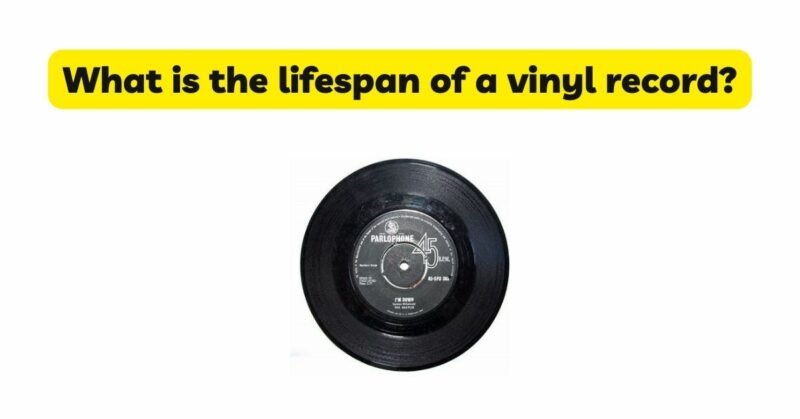
Vinyl records have stood the test of time as a beloved music format, captivating listeners with their warm sound and tactile experience. However, like any physical medium, vinyl records are subject to wear and degradation over time. In this article, we explore the factors that influence the lifespan of vinyl records, discuss proper handling and storage techniques, and provide insights into extending their longevity.
Vinyl Composition and Structure: Vinyl records are made from a combination of polyvinyl chloride (PVC) and other additives. The composition of the vinyl itself contributes to its durability. High-quality vinyl records are manufactured using stable and well-formulated PVC compounds, which offer resistance to environmental factors and potential damage.
Wear and Tear: The lifespan of a vinyl record can be influenced by the wear and tear it experiences during playback. Each play introduces friction between the stylus and the grooves, which gradually erodes the surface. Over time, this can lead to a loss of fidelity and increase the potential for skips, crackles, and pops. However, proper handling and maintenance can mitigate the effects of wear and extend the life of the record.
Storage Conditions: The storage conditions of vinyl records play a crucial role in preserving their lifespan. Exposure to extreme temperatures, humidity, direct sunlight, and dust can accelerate the degradation process. Records should be stored in a cool, dry environment, away from direct sunlight and sources of heat. The use of protective inner sleeves and outer sleeves further shields records from dust, moisture, and potential scratches.
Handling Techniques: Proper handling is essential for maintaining the longevity of vinyl records. Fingerprints, oils, and dirt can leave permanent marks and affect playback quality. When handling records, it is advisable to hold them by the edges or the label to avoid touching the playing surface. A gentle touch and clean hands can help minimize the risk of introducing unwanted contaminants to the record.
Cleaning and Maintenance: Regular cleaning is an integral part of vinyl record maintenance. Dust, debris, and static can accumulate on the surface, affecting sound quality and causing damage. Specialized record cleaning brushes, microfiber cloths, and record cleaning solutions can help remove contaminants safely. Additionally, investing in a record cleaning machine can provide a more thorough and efficient cleaning process.
Environmental Factors: The environment in which records are played and stored can impact their lifespan. High-quality turntables with well-adjusted tonearms and properly aligned cartridges reduce the risk of excessive groove wear. Additionally, avoiding abrupt movements, skipping tracks, or playing warped records can minimize potential damage.
Record Pressing Quality: The quality of the record pressing also plays a role in its lifespan. Records that are poorly pressed, have off-center spindle holes, or suffer from manufacturing defects may have a shorter lifespan due to compromised playback quality. Opting for records pressed at reputable pressing plants known for their attention to detail can help ensure a higher quality product.
Frequency of Use: The frequency with which a record is played can impact its lifespan. Records that are frequently played and handled have a higher chance of experiencing wear and tear. However, proper maintenance, including regular cleaning, can help mitigate the effects of frequent use.
Conclusion: The lifespan of a vinyl record is influenced by various factors, including composition, handling techniques, storage conditions, cleaning, and maintenance. By following proper handling practices, storing records in suitable environments, and regularly cleaning and maintaining them, vinyl enthusiasts can extend the longevity of their cherished collections. With care and attention, vinyl records can provide countless hours of listening pleasure for generations to come.