
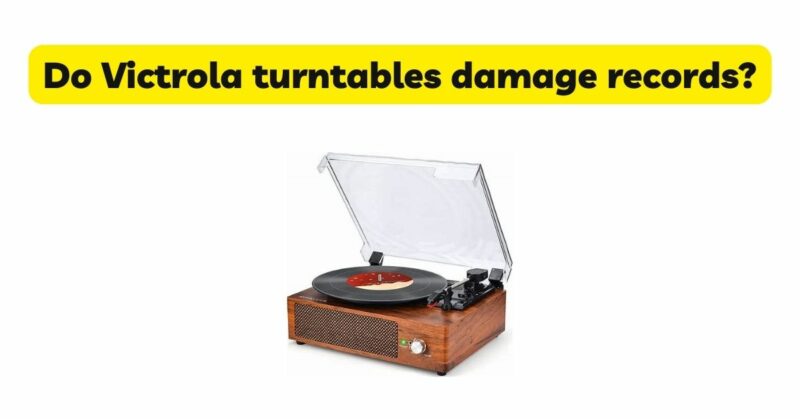
Victrola turntables have gained popularity among vinyl enthusiasts due to their vintage-inspired designs and accessible price points. However, concerns have been raised about the potential impact of Victrola turntables on the condition and longevity of vinyl records. In this article, we will examine the factors that contribute to record damage and delve into whether Victrola turntables pose a risk to your cherished vinyl collection.
Tracking Force and Stylus Quality: One of the primary considerations when assessing the potential for record damage is the tracking force exerted by the turntable’s stylus on the grooves. Insufficient tracking force can lead to skipping, while excessive force can cause unnecessary wear on the records. Victrola turntables typically have fixed tracking force settings, which may not be ideal for all records. It is crucial to ensure that the tracking force aligns with the specifications recommended by the record manufacturers to minimize the risk of damage.
Stylus Shape and Material: The shape and material of the stylus also play a significant role in record preservation. Victrola turntables often come with ceramic or diamond-tipped needles. Ceramic needles, while affordable, are generally considered less gentle on records compared to diamond-tipped alternatives. Diamond stylus tips have a smoother and more precise contact with the grooves, reducing the potential for excessive wear and groove damage.
Tonearm Quality and Alignment: The tonearm is responsible for holding and guiding the stylus along the record’s grooves. A poorly designed or misaligned tonearm can exert uneven pressure on the grooves, leading to distortion or premature wear. Victrola turntables typically feature fixed tonearms that may not offer the same level of adjustability and precision as higher-end turntables. Ensuring that the tonearm is correctly aligned and calibrated can help mitigate potential damage to your vinyl records.
Platter Material and Damping: The platter is the rotating surface on which the record sits during playback. Victrola turntables often utilize lightweight plastic platters, which may not provide the same level of stability and vibration damping as heavier platters made from materials like aluminum or acrylic. Excessive vibrations or instability can potentially affect the quality of playback and increase the risk of groove damage. It is essential to handle the turntable with care and ensure a stable environment during playback to minimize potential harm.
Dust Cover and Protection: The presence of a dust cover is an important consideration for record protection. Victrola turntables usually come with hinged dust covers that provide some level of protection against dust and debris. However, it is crucial to note that dust covers alone cannot completely safeguard records from all potential sources of damage. Regular cleaning practices and proper record storage are still essential to maintain record longevity.
Maintenance and Care: Proper maintenance and care are crucial regardless of the turntable brand. Regular cleaning of the stylus, using a suitable stylus brush or cleaning solution, helps remove debris and maintain optimal playback performance. Additionally, handling records with clean hands, storing them in protective sleeves, and avoiding excessive pressure or mishandling are practices that contribute to record preservation, regardless of the turntable brand.
Conclusion: While Victrola turntables may not offer the same level of customization and advanced features as higher-end turntables, they can still provide an enjoyable vinyl listening experience. The potential for record damage primarily depends on various factors such as tracking force, stylus quality, tonearm alignment, platter material, and overall maintenance and care. By paying attention to these aspects, ensuring proper setup, and adhering to good record handling practices, Victrola turntables can be used without significantly compromising the condition or longevity of your vinyl collection.