
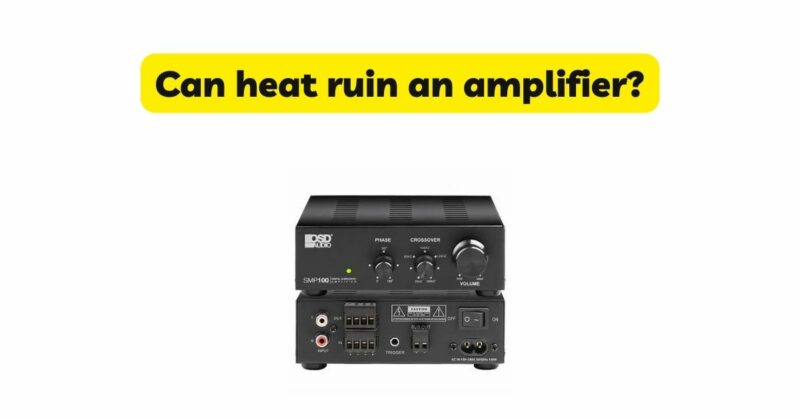
Amplifiers are essential components in audio systems, providing the power necessary to drive speakers and deliver high-quality sound. However, heat is one of the most significant factors that can impact the performance and lifespan of amplifiers. In this article, we will delve into the effects of heat on amplifiers, exploring the potential consequences of excessive heat, the mechanisms behind heat generation, and the measures you can take to prevent heat-related damage. By understanding the relationship between heat and amplifiers, you can ensure their longevity and optimal performance.
Understanding Heat Generation in Amplifiers
Heat generation is an inherent characteristic of amplifiers due to the nature of their operation. As amplifiers receive electrical signals and amplify them to drive speakers, they convert electrical energy into heat energy. This process is facilitated by the internal components and circuitry within the amplifier.
Factors Affecting Heat Generation
Several factors contribute to the heat generation in amplifiers:
- Power Dissipation: Amplifiers are rated for a specific power output. When they are driven close to or beyond their maximum power capacity, they work harder and generate more heat. Operating an amplifier at high volume levels for extended periods can significantly increase heat production.
- Inefficient Design: The design and construction of the amplifier play a crucial role in heat dissipation. An inefficient design with inadequate cooling mechanisms, such as insufficient heat sinks or fans, can result in inadequate heat dissipation, leading to higher temperatures within the amplifier.
- Ambient Temperature: The ambient temperature of the environment in which the amplifier operates can also impact its heat generation. Higher ambient temperatures provide less favorable conditions for heat dissipation, causing the amplifier to work harder to cool itself down.
Effects of Excessive Heat on Amplifiers
- Component Degradation: Excessive heat can degrade the internal components of an amplifier over time. Higher temperatures can lead to the breakdown of delicate electronic components, such as capacitors, resistors, and transistors. This degradation can result in reduced amplifier performance, distortion, or even complete failure.
- Reduced Lifespan: Prolonged exposure to high temperatures can significantly reduce the lifespan of an amplifier. The excessive heat places additional stress on the internal components, accelerating their wear and tear. Amplifiers that are subjected to continuous high temperatures are more likely to fail prematurely.
- Performance Degradation: Heat can affect the overall performance of an amplifier. As temperatures rise, the amplifier may experience thermal throttling, where it reduces its output power or enters protection mode to prevent damage. This can result in reduced sound quality, distortion, or the inability to achieve the desired volume levels.
Preventing Heat-Related Damage
- Adequate Ventilation: Ensure that the amplifier has proper ventilation to facilitate heat dissipation. Place the amplifier in a well-ventilated area, away from heat sources and obstructions that may hinder airflow. Allow sufficient space around the amplifier for heat to escape.
- Cooling Mechanisms: Consider amplifiers that incorporate effective cooling mechanisms, such as large heat sinks, fans, or active cooling systems. These features help dissipate heat efficiently, keeping the amplifier’s temperature within safe limits.
- Operating Conditions: Operate the amplifier within its recommended operating conditions. Avoid pushing the amplifier to its maximum power capacity for extended periods. If the amplifier feels excessively hot to the touch, consider reducing the volume level or providing additional cooling measures.
- Maintenance and Cleaning: Regularly clean the amplifier to remove dust and debris that can accumulate and hinder heat dissipation. Follow the manufacturer’s guidelines for maintenance, including periodic inspection and cleaning of internal components.
- Ambient Temperature Control: Maintain a suitable ambient temperature for the amplifier. Avoid placing the amplifier in hot environments or direct sunlight, as this can raise the temperature and strain the amplifier’s cooling capabilities.
- Power Management: Use efficient power management techniques, such as using standby modes or turning off the amplifier when not in use. This reduces unnecessary heat generation and prolongs the amplifier’s lifespan.
Conclusion
Heat is a significant factor that can impact the performance and longevity of amplifiers. Excessive heat can lead to component degradation, reduced lifespan, and performance degradation. By understanding the factors contributing to heat generation, such as power dissipation and inefficient design, and implementing preventive measures like adequate ventilation, cooling mechanisms, and maintaining suitable operating conditions, you can protect your amplifier from heat-related damage. Regular maintenance, cleaning, and appropriate power management techniques further contribute to the longevity and optimal performance of amplifiers. By prioritizing heat management, you can enjoy high-quality sound reproduction and extend the lifespan of your amplifier for years to come.