
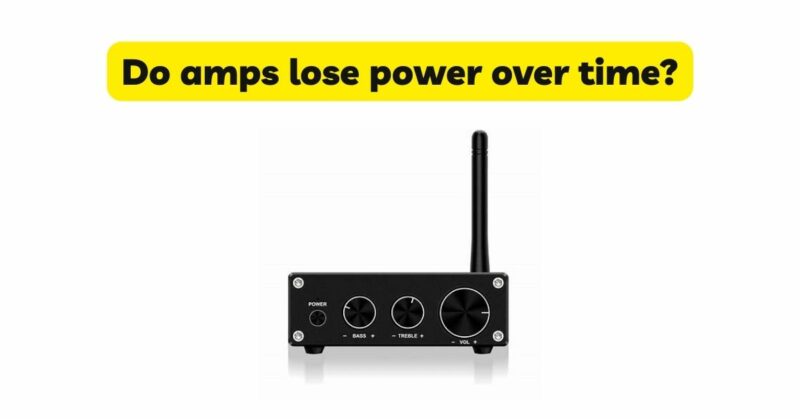
Amplifiers are essential components in audio systems, providing the power necessary to drive speakers and deliver high-quality sound. Over time, electronic devices can undergo changes that may impact their performance, including the potential loss of power output. In this article, we will delve into the concept of amplifier power loss over time, the factors that contribute to it, and the implications for audio enthusiasts. By understanding the potential effects of aging on amplifier power, users can make informed decisions regarding maintenance, upgrades, and overall system performance.
I. Understanding Power Output:
- Power Rating: Amplifiers are typically rated based on their power output, measured in watts. The power rating indicates the maximum power that an amplifier can deliver to the speakers under ideal conditions.
- Power Efficiency: Amplifiers are not 100% efficient in converting electrical energy into usable audio power. Some power is lost as heat during the amplification process.
II. Factors Contributing to Power Loss:
- Component Aging: Over time, the internal components of an amplifier may age and degrade. This can result in increased resistance, reduced efficiency, and overall power loss.
- Heat and Thermal Stress: Amplifiers generate heat during operation, and prolonged exposure to high temperatures can impact their performance. Excessive heat can cause thermal stress, leading to component deterioration and potential power loss.
- Power Supply Issues: Problems with the power supply, such as voltage fluctuations or inadequate current delivery, can impact the amplifier’s ability to provide consistent power output.
III. Effects of Power Loss:
- Reduced Dynamic Range: Power loss in an amplifier can lead to a reduction in dynamic range, limiting the ability to reproduce both quiet and loud passages accurately.
- Distortion and Clipping: When an amplifier struggles to deliver the required power, it may introduce distortion and clipping, affecting the fidelity and quality of the audio signal.
- Inadequate Speaker Control: Amplifiers with reduced power output may struggle to control speakers effectively, resulting in less precise and controlled sound reproduction.
IV. Mitigating Power Loss:
- Regular Maintenance: Performing routine maintenance, including cleaning, inspecting connections, and replacing worn-out components, can help mitigate power loss due to component aging.
- Proper Ventilation: Ensuring proper airflow and ventilation around the amplifier can prevent excessive heat buildup, reducing the risk of power loss and component degradation.
- Power Conditioning: Using power conditioners or voltage regulators can help stabilize the electrical supply, minimizing power-related issues and potential power loss.
V. Upgrades and Technological Advancements:
- Component Upgrades: Upgrading specific components within the amplifier, such as capacitors or power supply units, can help restore or improve power output.
- Amplifier Replacement: As technology advances, newer amplifier models may offer improved power efficiency, better components, and enhanced performance. Upgrading to a new amplifier can provide a fresh start with optimal power output.
VI. Monitoring and Assessing Power Loss:
- Measurement and Testing: Using specialized equipment, such as power meters or audio analyzers, can help assess an amplifier’s power output and detect any significant power loss.
- Comparison to Original Specifications: Comparing the current power output to the amplifier’s original specifications can provide insights into the extent of power loss over time.
VII. Conclusion:
While amplifiers may experience power loss over time due to component aging, heat, and power supply issues, proper maintenance, ventilation, and upgrades can help mitigate these effects. Monitoring the power output and considering upgrades when necessary can ensure optimal performance and prolong the lifespan of the amplifier. By understanding the factors contributing to power loss and taking proactive measures, audio enthusiasts can continue to enjoy the full potential of their amplifiers for years to come, preserving the fidelity and quality of their audio systems.