
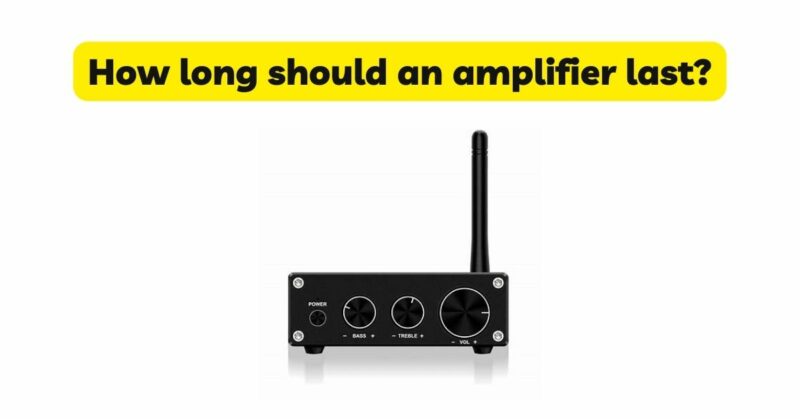
Amplifiers are essential components in audio systems, providing power and amplification for speakers. Audio enthusiasts often wonder about the lifespan of their amplifiers and how long they can expect them to perform optimally. In this article, we will explore the factors that affect the longevity of amplifiers and provide maintenance tips to help extend their lifespan. By understanding these factors and implementing proper care, audio enthusiasts can ensure that their amplifiers serve them well for many years.
I. Understanding Amplifier Lifespan:
- Design and Build Quality: The design and build quality of an amplifier significantly impact its lifespan. Amplifiers made with high-quality components, robust construction, and reliable circuitry are generally expected to last longer than those of lower quality.
- Usage Patterns: The usage patterns and operational conditions play a crucial role in determining an amplifier’s lifespan. Factors such as volume levels, operating temperatures, and power supply stability can affect the wear and tear on internal components.
- Environmental Factors: The environment in which the amplifier operates can also influence its lifespan. Exposure to extreme temperatures, humidity, dust, and vibrations can potentially affect the amplifier’s performance and durability.
II. Factors Affecting Amplifier Lifespan:
- Heat Management: Heat is a primary factor that can impact an amplifier’s lifespan. Adequate heat dissipation, through proper ventilation, heat sinks, and cooling fans, helps prevent excessive heat buildup and stress on internal components.
- Power Supply Quality: A stable and clean power supply is essential for the proper functioning and longevity of an amplifier. Voltage fluctuations, power surges, and electrical noise can potentially damage sensitive amplifier components.
- Component Quality: The quality of components used in the amplifier, such as capacitors, resistors, transistors, and integrated circuits, can affect its lifespan. High-quality components tend to be more reliable and durable, contributing to a longer lifespan.
- Usage Intensity: The intensity of amplifier usage, including the duration and volume levels, can impact its lifespan. Continuous high-volume usage for extended periods can lead to increased stress and potential component degradation.
- Maintenance and Care: Proper maintenance and care significantly contribute to the lifespan of an amplifier. Regular cleaning, inspection for dust accumulation, and addressing any potential issues promptly can help prevent premature failure.
III. Maintenance Tips to Extend Amplifier Lifespan:
- Keep the Amplifier Clean: Regularly clean the amplifier’s exterior to remove dust and debris that can accumulate and potentially affect its performance. Use compressed air or a soft brush to clean ventilation openings and cooling fans.
- Proper Ventilation: Ensure the amplifier has sufficient airflow and is not placed in enclosed spaces or obstructed by other objects. Proper ventilation helps dissipate heat and prevents excessive temperature buildup.
- Power Conditioning: Consider using a power conditioner or surge protector to protect the amplifier from voltage spikes, power surges, and electrical noise. This helps maintain a stable and clean power supply, safeguarding the amplifier’s internal components.
- Avoid Overloading: Operate the amplifier within its specified power and impedance limits. Overloading the amplifier can lead to overheating, distortion, and potentially shorter lifespan.
- Temperature Monitoring: Monitor the amplifier’s operating temperature to ensure it stays within safe limits. Many amplifiers feature built-in temperature sensors or indicators, but external temperature monitoring devices can be used if necessary.
- Avoid Physical Damage: Handle the amplifier with care, avoiding physical shocks or impacts that could damage internal components. Be cautious during transportation and installation to prevent any mishandling.
- Regular Inspections: Periodically inspect the amplifier for any signs of component degradation, loose connections, or abnormal behavior. Promptly address any issues to prevent further damage and ensure optimal performance.
IV. Average Lifespan of Amplifiers:
The average lifespan of an amplifier can vary depending on the factors mentioned above. While it is challenging to provide an exact timeframe, a well-maintained amplifier from a reputable brand can last anywhere from 10 to 20 years or even longer. However, it’s important to note that technological advancements, changes in usage patterns, or personal preferences may lead to upgrading an amplifier before it reaches its full potential lifespan.
V. Conclusion:
The lifespan of an amplifier is influenced by various factors, including its design, build quality, usage patterns, environmental conditions, and maintenance. By understanding these factors and implementing proper care and maintenance, audio enthusiasts can extend the lifespan of their amplifiers. Regular cleaning, proper ventilation, power conditioning, and avoiding overloading are some key practices that contribute to optimal performance and longevity. Remember, while amplifiers can last for many years, advancements in technology and personal preferences may lead to upgrades before an amplifier reaches the end of its potential lifespan.