
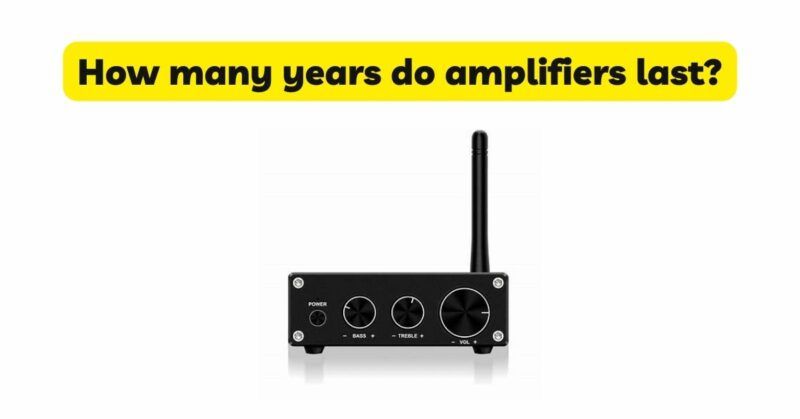
Amplifiers are critical components in audio systems, providing power and amplification to deliver high-quality sound. Audio enthusiasts often wonder about the lifespan of amplifiers and how long they can expect their equipment to last. In this article, we will explore various factors that influence the lifespan of amplifiers and provide estimates on the average duration they can be expected to operate under normal conditions. While it is difficult to provide an exact number of years, understanding these factors can help users make informed decisions about purchasing, maintaining, and replacing their amplifiers.
I. Build Quality and Design:
- Component Quality: The quality of components used in the construction of an amplifier significantly affects its lifespan. Amplifiers built with high-quality capacitors, resistors, transistors, and other internal components tend to be more durable and reliable.
- Circuit Design: The overall circuit design and layout of an amplifier play a crucial role in its longevity. Amplifiers with well-designed circuitry, efficient heat dissipation mechanisms, and effective protection features are more likely to have a longer lifespan.
II. Usage Patterns and Operational Conditions:
- Intensity and Duration of Use: The intensity and duration of amplifier usage can impact its lifespan. Continuous operation at high volume levels for extended periods can place additional stress on internal components and potentially reduce the amplifier’s lifespan.
- Load Matching: Properly matching the amplifier’s power output to the speakers’ impedance is crucial. Operating the amplifier with an impedance mismatch can cause excessive heat buildup and strain on the amplifier, potentially shortening its lifespan.
- Operating Temperatures: The operating temperature of the amplifier also plays a significant role in its lifespan. Amplifiers that operate within the manufacturer’s recommended temperature range are more likely to last longer than those subjected to excessive heat.
III. Maintenance and Care:
- Ventilation and Heat Dissipation: Proper ventilation is essential to prevent the buildup of heat, which can degrade internal components over time. Ensuring that the amplifier has adequate airflow and keeping it in a well-ventilated area can contribute to a longer lifespan.
- Power Protection: Using a power conditioner or surge protector can help safeguard the amplifier from voltage spikes, power surges, and electrical interference. These protective devices minimize the risk of damage to internal components and extend the amplifier’s lifespan.
- Regular Cleaning and Inspection: Performing routine cleaning and inspection can help identify and address potential issues before they escalate. Checking and cleaning connectors, jacks, and potentiometers can maintain optimal signal transmission and prevent degradation.
IV. Average Lifespan Estimates:
It is challenging to provide an exact number of years for the lifespan of amplifiers due to the variability of factors and usage patterns. However, under normal operating conditions and with proper care, a well-designed and well-maintained amplifier can last anywhere from 10 to 20 years or more.
V. Technological Advancements and Upgrades:
- Obsolescence and Upgrading: Technological advancements in the audio industry can lead to the introduction of new features and improved performance. Over time, users may choose to upgrade their amplifiers to take advantage of these advancements, even if their current amplifier is still functional.
- Personal Preferences: Changes in personal preferences, such as a desire for different sound characteristics or upgraded features, can also prompt users to upgrade their amplifiers before the end of their potential lifespan.
VI. Conclusion:
While it is difficult to provide a definitive number of years for the lifespan of amplifiers, understanding the factors that influence their longevity can guide audio enthusiasts in maximizing the lifespan of their equipment. Factors such as build quality, circuit design, usage patterns, operational conditions, and maintenance practices all play crucial roles in determining how long an amplifier will last. By investing in amplifiers with high-quality components, matching the load properly, practicing proper maintenance, and considering technological advancements, users can enjoy their amplifiers for a significant period. Ultimately, the lifespan of an amplifier can vary, but with proper care and attention, it can provide many years of high-quality audio reproduction.