
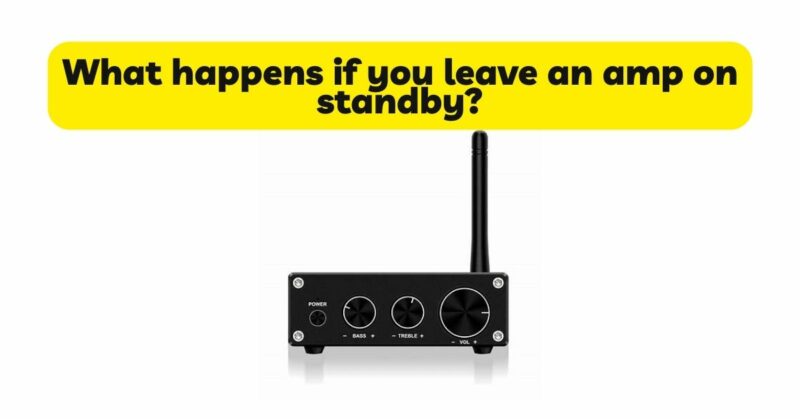
Amplifiers often come equipped with a standby mode, allowing users to put the device in a low-power state when not in active use. Standby mode is designed to conserve energy while keeping the amplifier ready for immediate operation. However, questions may arise regarding the implications and potential consequences of leaving an amplifier on standby for extended periods. This article aims to explore what happens when an amp is left on standby and provide insights into the considerations and effects associated with this practice.
I. Understanding Standby Mode:
- Functionality: Standby mode is a feature in amplifiers that allows them to enter a low-power state while remaining operational. In this mode, the amplifier consumes significantly less power than when fully active, but it remains connected to the power source, ready to be quickly powered back on.
- Instant Availability: The primary benefit of standby mode is that it offers immediate availability for audio playback. By keeping the amplifier in standby, users can quickly resume listening without the need for a lengthy power-up sequence.
II. Power Consumption in Standby Mode:
- Reduced Power Usage: When an amplifier is in standby mode, it consumes less power compared to its active state. The exact power consumption in standby mode varies depending on the amplifier model, but it is typically significantly lower than full operation.
- Energy Efficiency: Standby mode helps conserve energy by minimizing power consumption during periods of inactivity. This can be advantageous from an environmental and cost perspective, as it reduces electricity usage and lowers utility bills.
III. Considerations and Effects of Leaving an Amp on Standby:
- Energy Consumption: Although standby mode reduces power consumption, it is important to note that amplifiers in standby still draw a small amount of power to maintain their readiness. Leaving an amplifier on standby for extended periods can result in cumulative energy usage, albeit at a lower rate compared to full operation.
- Component Wear and Tear: While standby mode is generally safe for amplifiers, leaving the device in this state for excessively long durations can contribute to component wear and tear. Prolonged exposure to power, even at reduced levels, can impact the longevity of certain components, such as capacitors and transistors.
- Heat Generation: Even in standby mode, some heat is generated by the amplifier due to the presence of low-power circuitry. If the amplifier is placed in an enclosed space or lacks proper ventilation, this residual heat can accumulate and potentially affect the device’s performance or cause overheating issues.
- Power Surge Risk: In the event of a power surge or electrical disturbance, amplifiers left in standby mode can still be affected. While most modern amplifiers have built-in protection mechanisms, a significant power surge could potentially damage the device, necessitating repairs or replacements.
- Environmental Factors: Environmental conditions, such as high humidity or extreme temperatures, can affect amplifiers left in standby mode. It is important to ensure that the storage area is suitable for maintaining the device’s integrity, as excessive humidity or extreme heat can lead to corrosion, circuitry damage, or other issues.
IV. Best Practices for Amp Standby Mode:
- Usage Patterns: Consider your typical usage patterns and determine if using standby mode aligns with your needs. If you frequently use the amplifier and require instant availability, leaving it in standby mode may be more practical. However, if long periods of inactivity are expected, fully powering off the amplifier might be a more energy-efficient choice.
- Ventilation and Cooling: Ensure that the amplifier has adequate ventilation even when in standby mode. Proper airflow helps dissipate any residual heat generated by the low-power circuitry, reducing the risk of overheating and maintaining optimal performance.
- Unplug During Extended Absences: If you plan to be away for an extended period, consider unplugging the amplifier altogether. This not only conserves energy but also eliminates the risk of power surges or electrical disturbances affecting the device while you are away.
- Periodic Power Cycling: To provide occasional rest for the amplifier’s components, consider powering off the device completely and allowing it to rest for a period before turning it back on. This practice can help mitigate the potential wear and tear associated with long-term standby mode usage.
Conclusion:
Leaving an amplifier on standby offers the convenience of instant availability while conserving energy during periods of inactivity. However, it is essential to consider the implications of extended standby usage, including cumulative energy consumption, component wear and tear, heat generation, power surge risks, and environmental factors. By understanding these considerations and implementing best practices such as proper ventilation, periodic power cycling, and unplugging during extended absences, you can strike a balance between convenience, energy efficiency, and the longevity of your amplifier.