
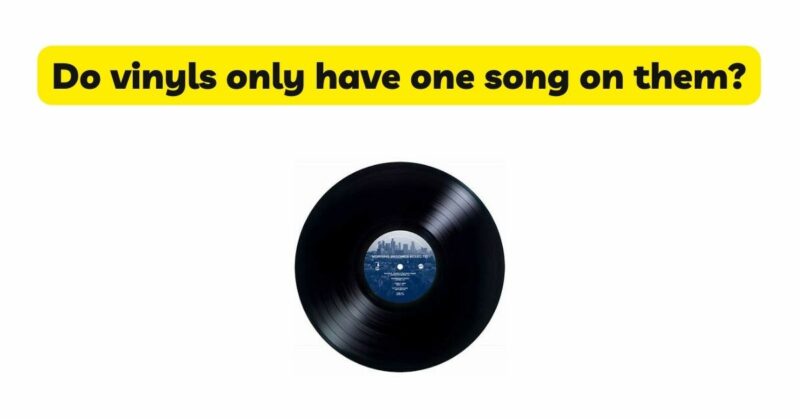
Vinyl records have experienced a resurgence in popularity, captivating music enthusiasts with their unique sound and tangible appeal. However, a common misconception persists that vinyl records only contain a single song. In this article, we will explore the truth behind this myth and shed light on the diverse range of music that can be found on vinyl records. By examining the structure, formats, and historical context of vinyl records, we will unveil the rich and multifaceted musical experiences that these records offer.
- Understanding Vinyl Record Structure: To understand the number of songs on a vinyl record, it is essential to comprehend the basic structure of this medium. A vinyl record consists of a flat, circular disc made of polyvinyl chloride (PVC). The surface of the record is divided into grooves that spiral from the outer edge towards the center. These grooves contain the audio information that is decoded by a stylus, producing the sound we hear.
- Vinyl Record Formats: Vinyl records come in various formats, and each format has its own capacity for holding songs. The most common formats are the 12-inch LP (Long Play) and the 7-inch EP (Extended Play) or single. LPs are designed for full-length albums and can accommodate a larger number of songs, while EPs and singles typically feature a smaller selection of tracks.
- Song Duration and Vinyl Records: The number of songs on a vinyl record depends on several factors, with the duration of each song being a significant consideration. Vinyl records have limited physical space, and the length of each song directly impacts the overall capacity. Longer songs take up more space, resulting in a smaller number of songs on a single record, while shorter songs allow for more tracks to be included.
- Groove Density and Width: The physical space available on a vinyl record is determined by the groove density and width. Higher groove density allows for more audio information to be stored, potentially accommodating a larger number of songs. However, increasing groove density may impact sound quality due to narrower grooves. Wider grooves offer better sound quality but limit the number of songs that can be accommodated.
- Record Speed and Song Capacity: Vinyl records are played at different speeds, which also affects the number of songs that can fit on a record. The most common speeds are 33 1/3 RPM (Revolutions Per Minute) for LPs and 45 RPM for EPs and singles. Higher speeds generally allow for more songs to be stored, but they require narrower grooves, potentially impacting sound quality.
- Double-Sided Records: Vinyl records typically have two sides, providing additional space to include more songs. Double-sided records distribute the songs across both sides, enabling an increased number of tracks. This format strikes a balance between audio capacity and sound quality, as each side can accommodate a reasonable duration of music without compromising fidelity.
- Compilation Albums and Song Selection: Compilation albums are a popular way to include multiple songs on a vinyl record. These albums feature a curated collection of tracks from various artists or different albums by a single artist. Compilation albums provide a platform for diverse musical experiences and offer a chance to enjoy a variety of songs on a single vinyl record.
- Historical Significance and Artistic Intent: Vinyl records have played a significant role in music history, serving as carriers of artistic expressions and cultural movements. Artists and bands carefully select and sequence songs on a vinyl record to create a cohesive listening experience. The arrangement of songs reflects the artistic intent, storytelling, or thematic coherence envisioned by the musicians.
Conclusion: The belief that vinyl records only contain a single song is a myth that undermines the rich musical experiences these records provide. Vinyl recordsare capable of holding a diverse range of songs, whether it’s a full-length album, an EP, a single, or a compilation. The number of songs on a vinyl record depends on various factors, including the format, song duration, groove density, and record speed. Double-sided records and compilation albums further expand the capacity for multiple songs.Vinyl records have been a staple of music consumption for decades, representing a physical embodiment of artistic expression and cultural significance. The carefully curated selection of songs on a vinyl record allows for a cohesive and immersive listening experience, reflecting the artist’s intent and vision.So, the next time you engage with a vinyl record, discard the notion of a single song and embrace the diverse musical tapestry that it offers. Appreciate the artistry and storytelling embedded within each track, and savor the unique sound and tactile experience that vinyl records provide. Vinyl records are a testament to the enduring power of music and the joy of engaging with it in a tangible and immersive way.