
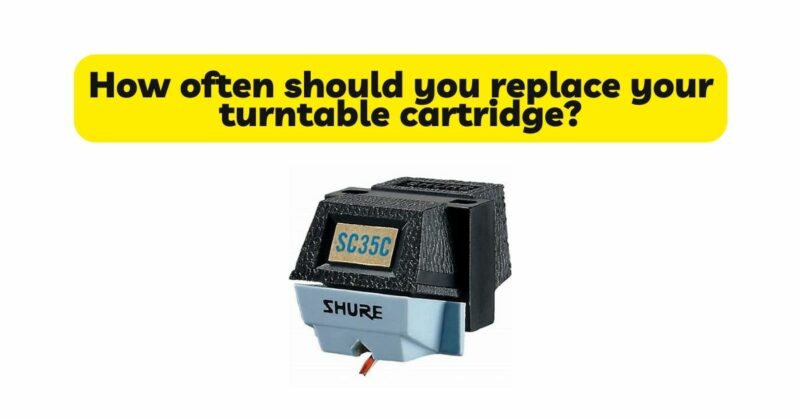
Turntables, with their analog charm and warm sound, have regained popularity in recent years, attracting both seasoned audiophiles and newcomers to the vinyl experience. Central to the performance of a turntable is its cartridge, the component responsible for translating the grooves of a vinyl record into an electrical signal. Like any mechanical part, turntable cartridges require periodic maintenance and replacement to ensure optimal sound quality and performance. In this article, we will explore the factors that influence the lifespan of a turntable cartridge and provide guidance on how often it should be replaced to maintain the highest level of audio fidelity.
- Cartridge Types and Components:
To understand cartridge replacement intervals, it’s essential to be familiar with the various types of cartridges available. Turntable cartridges can be broadly classified into two categories: moving magnet (MM) and moving coil (MC). MM cartridges are more common and typically more affordable, while MC cartridges offer superior performance but at a higher price point. Both cartridge types consist of a stylus (needle), cantilever, magnets, coils, and housing. The stylus, in particular, is subject to wear and tear over time, necessitating replacement.
- Usage and Listening Habits:
The frequency of cartridge replacement depends on the intensity of usage and individual listening habits. Turntable owners who play records regularly or engage in extended listening sessions will put more strain on the cartridge compared to those who play records infrequently. DJs and professionals who use their turntables for mixing and scratching may require more frequent cartridge replacements due to the increased stress placed on the stylus and cantilever. Additionally, the type of music played can affect cartridge longevity, with records featuring heavy bass or excessive surface noise potentially causing faster wear.
- Tracking Force and Alignment:
Proper cartridge setup and alignment are critical for maximizing its lifespan. Tracking force refers to the downward pressure exerted on the stylus as it tracks the record grooves. Insufficient or excessive tracking force can lead to premature wear or damage to the stylus and the vinyl itself. It is crucial to follow the manufacturer’s guidelines for the recommended tracking force and regularly check and adjust it if necessary. Similarly, proper alignment, ensuring that the stylus sits precisely within the grooves, minimizes wear and distortion. Neglecting proper setup can accelerate cartridge wear, requiring more frequent replacement.
- Stylus Wear and Visual Inspection:
Stylus wear is a primary indicator of when a cartridge needs replacement. Over time, the stylus tip, which is in direct contact with the record grooves, undergoes gradual erosion and dulling. As the stylus wears, it affects the accuracy of tracking and compromises the sound quality. Visual inspection is a useful method to assess stylus wear. Under proper lighting and with the aid of a magnifying glass, examine the stylus tip for signs of uneven wear, flattening, or damage. If any abnormalities are detected, it is an indication that the cartridge may require replacement.
- Listening Experience and Sound Quality:
The most apparent sign that a cartridge needs replacement is a noticeable degradation in sound quality. As a cartridge ages, its ability to accurately reproduce the audio diminishes, resulting in reduced clarity, detail, and dynamic range. High-frequency response may suffer, leading to a loss of treble and sparkle, while excessive wear can introduce distortion and surface noise. If you begin to notice a significant decline in sound quality or encounter consistent tracking issues, it may be time to replace the cartridge.
Conclusion:
The lifespan of a turntable cartridge depends on several factors, including usage, tracking force, alignment, and stylus wear. While there is no set timeframe for cartridge replacement, it is essential to pay attention to the signs of wearand degradation in sound quality. As a general guideline, a turntable cartridge should be replaced approximately every 500 to 1,000 hours of playtime, although this can vary based on individual factors.Regular visual inspection of the stylus is recommended, looking for signs of wear or damage. Additionally, attentive listening and awareness of any decline in sound quality can serve as valuable indicators of when a cartridge needs replacement. It’s crucial to follow the manufacturer’s guidelines for setup, tracking force, and alignment to ensure optimal performance and longevity.Ultimately, the decision to replace a turntable cartridge should be based on a combination of visual inspection, listening experience, and adherence to manufacturer recommendations. Proper maintenance and timely replacement will help preserve the sound quality of your vinyl records and ensure that you continue to enjoy the best possible audio fidelity from your turntable setup.