
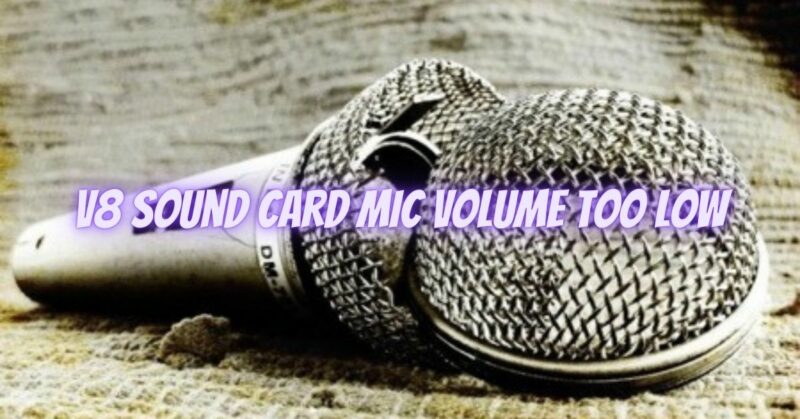
Microphones play a vital role in capturing clear and accurate audio in various professional and personal settings. Whether used for music recording, live performances, podcasts, or video conferencing, maintaining the performance and longevity of your microphone is crucial. By implementing regular maintenance practices, you can ensure optimal audio quality, extend the lifespan of your microphone, and avoid costly repairs or replacements. In this article, we will explore the importance of microphone maintenance and provide useful tips to keep your microphone in top condition.
- Cleanliness and Hygiene: Keeping your microphone clean is essential for maintaining its performance. Regularly wipe down the microphone body with a soft, lint-free cloth to remove dust, fingerprints, and other contaminants. Pay special attention to the grille or capsule area as it can accumulate debris, affecting audio quality. Avoid using harsh cleaning agents that could damage the microphone’s finish or internal components. Additionally, if you share your microphone with others, consider using foam or pop filters to prevent the buildup of saliva, reducing the risk of corrosion and microbial growth.
- Proper Handling and Storage: Handle your microphone with care to prevent accidental damage. Avoid dropping or mishandling it, as impact can affect internal components and lead to performance issues. When not in use, store your microphone in a protective case or pouch to shield it from dust, moisture, and other potentially damaging elements. Ensure that the storage area has controlled humidity and temperature conditions, as extreme variations can negatively impact microphone performance.
- Cable Management: The microphone cable is a critical part of the audio chain and requires proper management to avoid damage and signal degradation. Routinely inspect the cable for any signs of wear, such as fraying or exposed wires, and replace damaged cables promptly. Avoid pulling or tugging on the cable when disconnecting the microphone or during movement to prevent strain on the connectors and internal wiring. Using cable organizers or Velcro ties can help keep cables neatly organized and minimize stress on the connectors.
- Regular Testing and Maintenance: Perform periodic tests and checks to ensure your microphone is functioning correctly. Connect it to an audio interface or amplifier and listen for any abnormalities, such as distorted sound, excessive noise, or intermittent dropouts. If you notice any issues, consult the microphone’s user manual or contact the manufacturer for troubleshooting steps or professional servicing. Some manufacturers offer recommended maintenance schedules, including procedures for cleaning or replacing specific components, so refer to these guidelines as necessary.
- Environmental Considerations: Be mindful of the environment in which you use your microphone. Excessive heat, humidity, or exposure to liquids can damage sensitive components and affect performance. Avoid placing your microphone near sources of heat, direct sunlight, or areas with high moisture levels. When using microphones outdoors, consider using protective windscreens or covers to shield them from wind, dust, and moisture. If you regularly work in challenging environments, consider investing in microphones designed for durability and resistance to harsh conditions.
- Firmware and Software Updates: For microphones equipped with firmware or software, it is essential to keep them up to date. Manufacturers may release updates that address performance improvements or bug fixes. Check the manufacturer’s website or contact their support for any available updates or instructions on how to update your microphone’s firmware or software.
Conclusion: Microphone maintenance is key to preserving its performance, extending its lifespan, and ensuring consistent audio quality. By implementing proper cleaning practices, handling with care, managing cables, conducting regular tests, considering environmental factors, and staying updated with firmware or software, you can maximize the longevity and functionality of your microphone. Remember, a well-maintained microphone will not only deliver excellent audio but also save you time and money by avoiding potential repairs or replacements.