
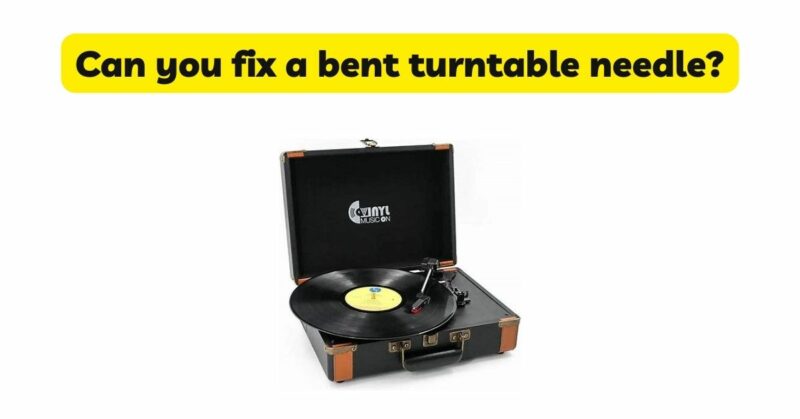
The turntable needle, also known as the stylus, is a critical component of a record player that reads the grooves on vinyl records. Accidental mishaps or improper handling can sometimes result in a bent or damaged needle, affecting the sound quality and playback performance. However, in many cases, a bent turntable needle can be repaired, restoring its functionality and ensuring optimal audio reproduction. In this article, we will explore various methods and precautions for fixing a bent turntable needle, guiding you through the steps to restore proper alignment and preserve your vinyl listening experience.
- Assessing the Damage: Before attempting to fix a bent turntable needle, it is important to assess the severity of the bend and any potential damage. Consider the following factors:
a. Visual Inspection: Carefully examine the needle under good lighting to determine the extent of the bend or damage. Look for visible signs of distortion, misalignment, or physical damage to the needle tip.
b. Playback Quality: Listen to a record and pay attention to any changes in sound quality, such as distortion, skipping, or excessive surface noise. These issues may indicate a misaligned or damaged needle.
c. Record Inspection: Inspect the records played with the bent needle for any visible signs of damage, such as scratches or groove deformations. These may suggest that the bent needle has been causing unintended wear on the record surface.
- Handling Precautions: Before attempting any repairs, take the following precautions to prevent further damage:
a. Cleanliness: Ensure that your hands and work surface are clean and free from dust or debris. This reduces the risk of introducing contaminants to the needle or record during the repair process.
b. Delicate Touch: Handle the needle with extreme care, avoiding excessive force or pressure. The needle assembly is fragile and can be easily damaged if mishandled.
c. Turntable Power: Ensure that the turntable is powered off and unplugged before working on the needle. This eliminates the risk of accidental movement or rotation, which can cause injury or further damage to the needle or cartridge.
- Straightening Methods: Depending on the severity of the bend and the type of needle, you can attempt one of the following methods to fix a bent turntable needle:
a. Manual Adjustment: For minor bends or misalignments, a gentle manual adjustment may be sufficient. Using a magnifying glass or jeweler’s loupe for precision, carefully grasp the needle near its base (not the delicate tip) with clean tweezers or needle-nose pliers. Apply gentle pressure in the opposite direction of the bend, gradually straightening the needle. Be cautious not to exert excessive force, as this can cause further damage to the delicate components.
b. Heat Method: In some cases, a bent turntable needle can be fixed by applying gentle heat to the needle assembly. This method is recommended for advanced users who are comfortable working with delicate equipment. Using a heat source such as a hairdryer or a heat gun on the lowest setting, direct the warm air towards the bent section of the needle. Heat the area for a few seconds and then, using tweezers or pliers, carefully apply gentle pressure to straighten the needle. Exercise extreme caution to avoid overheating, as excessive heat can damage the needle or cartridge.
- Post-Repair Considerations: After straightening the needle, it is important to follow these considerations to ensure optimal performance and prevent further damage:
a. Realignment: If the needle has been significantly misaligned, it may be necessary to realign it within the cartridge assembly. Consult the turntable’s user manual or manufacturer’s guidelines for instructions on proper alignment procedures. Precise alignment ensures accurate tracking and optimal sound quality.
b. Visual Inspection: After fixing the needle, inspect it again under good lighting to verify that it is straight and aligned. Look for any remaining signs of damage or misalignment. If the needle is still visibly bent or damaged, it may be necessary to seek professional assistance or consider replacing the needle.
c. Test Playback: Test the repaired needle by playing a record and paying close attention to sound quality and tracking. Listen for any noticeable improvements or changes in playback performance. If issues persist, it may be necessary to consult a professional technician or consider replacing the needle.
- Seeking Professional Assistance: If you are uncertain about fixing the bent turntable needle yourself or if the bend is severe, it is recommended to seek professional assistance. Turntable repair technicians have the expertise and specialized tools to handle delicate needle repairs, ensuring the best possible outcome without further risk of damage.
Conclusion: A bent turntable needle can negatively impact sound quality and playback performance, but in many cases, it can be repaired. By carefully assessing the damage and following proper handling and repair techniques, it is possible to straighten a bent turntable needle and restore proper alignment. Whether using gentle manual adjustments or the application of heat, exercising caution and precision is crucial to prevent further damage. Remember to realign the needle if necessary and thoroughly test the repaired needle for improved sound quality and tracking. When in doubt, it is always advisable to seek professional assistance to ensure the best possible outcome and protect your valuable turntable setup and vinyl collection.