
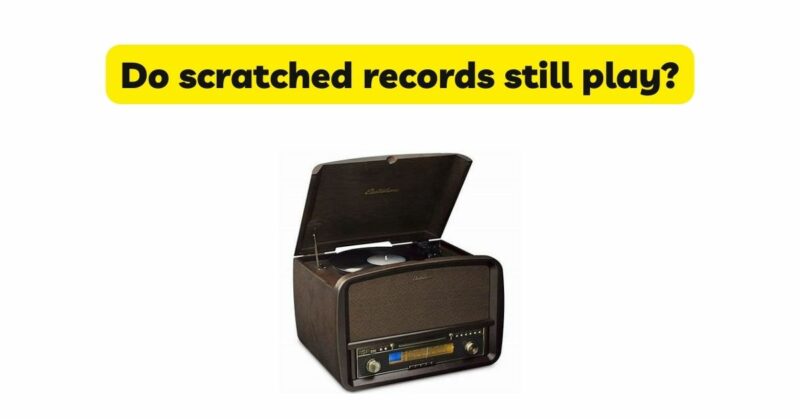
Vinyl records have been cherished for their unique sound and nostalgic appeal. However, despite their durability, records are not impervious to damage, and scratches can be a common concern among vinyl enthusiasts. The question that often arises is whether scratched records can still be played without compromising the listening experience. In this article, we will delve into the effects of scratches on vinyl playback, explore the various types of scratches, and discuss strategies for minimizing and mitigating their impact.
- Understanding Vinyl Record Composition: To grasp the impact of scratches, it’s crucial to understand the composition of vinyl records. Vinyl records are made from polyvinyl chloride (PVC), a durable and flexible material. The record’s grooves contain the audio information, and the stylus of a turntable reads these grooves to produce sound. Scratches on the surface of the record can disrupt the stylus’s tracking, potentially affecting the playback quality.
- Types of Record Scratches: Not all scratches are the same, and their impact on playback can vary depending on their severity and location. Here are some common types of record scratches:
a. Surface Scratches: Surface scratches are shallow scratches that occur on the outer layer of the record. They are typically cosmetic and may not have a significant impact on playback unless they are extensive or deep.
b. Groove Scratches: Groove scratches are deeper scratches that occur within the audio grooves of the record. These scratches can affect the stylus’s ability to track the grooves accurately, leading to skips, distortion, or a repetitive clicking sound during playback.
c. Inner Groove Distortion: Inner groove distortion refers to a specific type of scratch that occurs near the end of the record, close to the label. As the stylus nears the center, the circumference of the grooves becomes smaller, and scratches in this area can have a more pronounced effect on playback quality.
- Impact of Scratches on Playback: The impact of scratches on playback depends on various factors, including the severity and location of the scratches, the quality of the stylus and cartridge, and the overall condition of the record. Here are some common effects of scratches on vinyl playback:
a. Clicks, Pops, and Skips: Deep or extensive scratches can cause the stylus to jump or skip across the grooves, resulting in audible clicks, pops, and interruptions in playback. These disruptions can be distracting and diminish the listening experience.
b. Distortion: Scratches that interfere with the smooth tracking of the stylus can introduce distortion in the audio playback. The distortion may manifest as crackling sounds or muffled sections within the music.
c. Surface Noise: Surface scratches, even if not impacting the grooves directly, can introduce additional surface noise during playback. This noise may be more noticeable during quieter passages or in between tracks.
- Minimizing and Mitigating the Impact of Scratches: While it is impossible to completely eliminate the effects of deep or extensive scratches, there are strategies to minimize and mitigate their impact on vinyl playback:
a. Proper Handling and Storage: Handle records with care to avoid unnecessary scratches. Hold them by the edges and avoid touching the playing surface. Store records upright in protective sleeves and in a cool, dry environment to prevent scratches caused by mishandling or environmental factors.
b. Cleaning and Maintenance: Regularly clean your records using appropriate cleaning techniques and tools. Clean records reduce the accumulation of dust and debris, which can exacerbate the impact of scratches. A clean record surface can help minimize noise and improve tracking.
c. Upgrading Stylus and Cartridge: Investing in a high-quality stylus and cartridge can enhance the tracking ability of your turntable, potentially mitigating the impact of shallow scratches. Upgrading to a stylus with a finer tip and improved tracking ability can help navigate through minor imperfections more effectively.
d. Audio Restoration Techniques: There are audio restoration techniques and software available that can help mitigate the effects of scratches and other surface imperfections. These techniques can help remove clicks, pops, and other noise artifacts caused by scratches, improving the overall sound quality.
e. Professional Restoration: In extreme cases where valuable or highly cherished records are severely scratched, seeking professional restoration services may be an option. Professional restoration specialists can utilize advanced techniques and equipment to repair deep scratches and restore the record to a playable condition.
Conclusion: Scratched records can still be played, but the extent of their impact on playback quality varies depending on the severity and location of the scratches. While minor surface scratches may not significantly affect the listening experience, deep or extensive scratches can introduce clicks, pops, skips, distortion, and surface noise. By employing proper handling and storage practices, regular cleaning and maintenance, upgrading stylus and cartridge, utilizing audio restoration techniques, and seeking professional restoration when necessary, you can minimize and mitigate the impact of scratches on vinyl playback. Remember, prevention is key, so treat your records with care to preserve their longevity and ensure a pristine listening experience.