
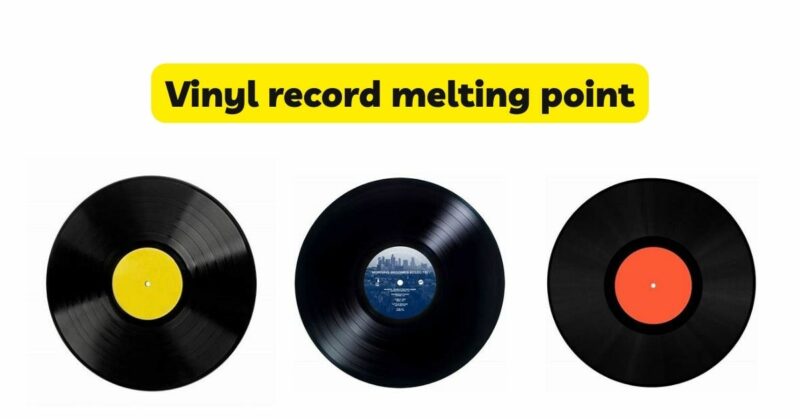
Vinyl records, beloved for their warm sound and nostalgic appeal, require proper care to maintain their integrity and playability. Among the concerns of vinyl record enthusiasts is the melting point of these delicate musical artifacts. In this article, we will delve into the topic of vinyl record melting points, exploring the composition of vinyl records, their susceptibility to heat, and the temperature limits that should be considered to preserve these cherished collectibles.
- Composition of Vinyl Records: Vinyl records are primarily composed of polyvinyl chloride (PVC), a synthetic thermoplastic material. PVC is widely used in various applications due to its durability, flexibility, and ease of processing. In the context of vinyl records, PVC is molded into discs and embedded with grooves that contain the audio information.
- The Vulnerability of PVC to Heat: While PVC is a durable material, it is important to note that it has a relatively low melting point compared to other plastics. The exact melting point of PVC can vary depending on the specific formulation and additives used during production. Generally, the melting point of PVC ranges from approximately 75°C to 85°C (167°F to 185°F).
- Risks of Heat-Related Damage: Exposure to high temperatures can cause irreversible damage to vinyl records. When vinyl records are subjected to temperatures approaching or exceeding the melting point of PVC, the material can soften, warp, and even deform. This deformation leads to misshapen grooves, resulting in distorted sound reproduction, skipping, and loss of fidelity.
- Factors Influencing Heat Resistance: Several factors influence the heat resistance of vinyl records:
a. Vinyl Thickness: The thickness of the vinyl used in record production can affect its heat resistance. Thicker vinyl records tend to have higher heat resistance compared to thinner records.
b. Vinyl Quality: The quality of the vinyl itself plays a role in heat resistance. Records made from high-quality PVC are generally more resilient to heat compared to lower-grade alternatives.
c. Vinyl Additives: Various additives are used in vinyl record production to enhance performance and durability. These additives can affect the heat resistance of the vinyl material. For example, some additives can increase the heat resistance of PVC, making the records more tolerant to high temperatures.
d. Record Label Design: The design of the record label, including the ink and paper used, can influence heat resistance. Poorly designed labels may be more prone to heat damage, such as ink smearing or label warping.
- Safe Temperature Limits for Vinyl Records: To protect vinyl records from heat-related damage, it is crucial to be mindful of the temperature limits to which they are exposed. While the precise threshold varies depending on factors mentioned above, it is generally advisable to keep vinyl records away from temperatures exceeding 60°C (140°F). Staying well below the melting point of PVC helps ensure the preservation and longevity of your vinyl record collection.
- Best Practices for Heat Protection: To safeguard your vinyl records from heat damage, consider the following best practices:
a. Storage Environment: Store your vinyl records in a cool and dry environment, away from direct sunlight and heat sources such as radiators or heaters. Ideal storage conditions include a temperature range of 18°C to 22°C (64°F to 72°F) with a relative humidity of around 40-50%.
b. Transportation: When transporting vinyl records, particularly in vehicles, avoid leaving them exposed to direct sunlight or extreme temperatures. Keep them in a cool and shaded area, and consider using insulated containers or protective sleeves to minimize heat exposure.
c. Avoid Hot Surfaces: Ensure that vinyl records are not placed on hot surfaces, such as amplifiers, speakers, or radiators, as these can transmit heat and potentially damage the records.
d. Gradual Temperature Changes: When moving vinyl records from a cold environment to a warmer one or vice versa, allow them to acclimate gradually to the new temperature. Rapid temperature changes can increase the risk of warping and other heat-related damage.
e. Handling with Care: Always handle vinyl records with clean hands and avoid touching the playing surface to prevent the transfer of oils and dirt, which can exacerbate heat damage.
Conclusion: Vinyl records, composed primarily of PVC, have a relatively low melting point compared to other plastics. Heat exposure near or above the melting point of PVC can result in irreversible damage, such as warping and deformation of the grooves. To preserve your vinyl record collection, it is essential to store and handle them in a cool and controlled environment, away from direct sunlight and excessive heat sources. By following best practices and being mindful of safe temperature limits, you can ensure the longevity and optimal performance of your cherished vinyl records, enabling you to enjoy their warm analog sound for years to come.