
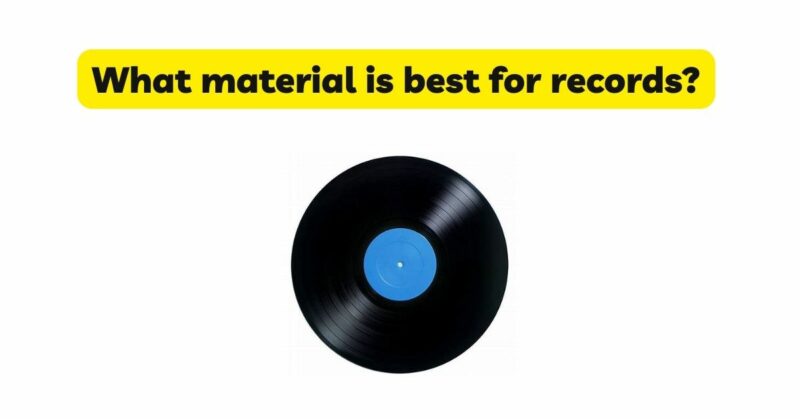
Vinyl records have been a staple in the music industry for decades, captivating listeners with their warm sound and nostalgic appeal. Choosing the best material for vinyl records is crucial to ensure optimal sound quality, durability, and longevity. In this article, we will delve into the various materials commonly used for manufacturing records, including polyvinyl chloride (PVC), vinyl compounds, and alternative materials. By understanding the characteristics and considerations of each material, we can determine the most suitable option for vinyl record production.
- Polyvinyl Chloride (PVC): Polyvinyl chloride, commonly known as PVC, has been the primary material used in vinyl record manufacturing for many years. Here are some key aspects to consider:
a. Durability: PVC is highly durable, making it suitable for long-term use and repeated playback. It withstands the wear and tear associated with the stylus tracking the grooves, resulting in a longer lifespan for the record.
b. Sound Quality: PVC has desirable acoustic properties, contributing to the characteristic warmth and richness of vinyl sound. It allows for precise reproduction of audio frequencies and delivers the distinct analog experience cherished by vinyl enthusiasts.
c. Manufacturing Efficiency: PVC is relatively easy to work with, allowing for efficient manufacturing processes. It can be melted, molded, and pressed into the desired shape, making it suitable for mass production.
d. Environmental Concerns: PVC has been criticized for its environmental impact. The production and disposal of PVC involve toxic chemicals, such as chlorine and dioxins. Additionally, PVC is not biodegradable, leading to concerns about its long-term sustainability.
- Vinyl Compounds: In recent years, alternative vinyl compounds have emerged as potential substitutes for PVC in record production. These compounds aim to address environmental concerns while maintaining the desirable characteristics of vinyl records. Consider the following aspects:
a. Eco-Friendliness: Vinyl compounds made from non-toxic, eco-friendly materials offer a more sustainable option compared to PVC. They eliminate or reduce the use of hazardous chemicals and minimize environmental impact throughout the manufacturing process.
b. Sound Quality: Vinyl compounds strive to replicate the sound quality of traditional PVC records. However, variations in formulation and processing may result in subtle differences in sound characteristics. Extensive testing and quality control are crucial to ensure optimal sound reproduction.
c. Compatibility: Vinyl compounds should be compatible with existing vinyl record manufacturing equipment to facilitate a smooth transition from PVC to alternative materials. Compatibility with pressing techniques, molds, and production machinery is a key consideration.
d. Availability and Cost: The availability of vinyl compounds and their cost may vary depending on the region and market demand. Manufacturers need to assess the feasibility of using these alternative materials in terms of availability, pricing, and scalability.
- Alternative Materials: Apart from vinyl compounds, other alternative materials have been explored for vinyl record production. Some of these materials include:
a. Bioplastics: Biodegradable or compostable materials derived from renewable resources, such as corn starch or plant fibers, offer environmentally friendly options for vinyl records. These materials reduce the carbon footprint associated with record production and disposal.
b. Paperboard: Paperboard records, made from thick cardboard-like material, provide a unique alternative to traditional vinyl records. They offer a more eco-friendly option as they are typically recyclable and biodegradable. However, the sound quality and durability may differ from PVC or vinyl compounds.
c. Glass: Glass records, although less common, have gained attention for their unique sound characteristics and visual appeal. Glass provides excellent clarity and sonic purity but requires specialized manufacturing processes and careful handling due to its fragility.
d. Acrylic: Acrylic records, made from a type of plastic, offer enhanced durability and scratch resistance compared to traditional vinyl records. They provide excellent sound quality and are often used for limited edition or audiophile releases. However, acrylic records can be more expensive to produce.
- Balancing Factors: Choosing the best material for vinyl records involves finding a balance between various factors, including sound quality, durability, environmental impact, and cost. Here are some considerations to keep in mind:
a. Sound Quality: The material should have desirable acoustic properties, allowing for accurate sound reproduction and preserving the warmth and richness associated with vinyl records.
b. Durability and Longevity: The material should be durable enough to withstand repeated playback and handling without significant wear or degradation. It should maintain its structural integrity over time.
c. Environmental Impact: Consider the environmental impact of the material throughout its lifecycle, including production, use, and disposal. Opting for materials with reduced toxicity, recyclability, or biodegradability can help mitigate environmental concerns.
d. Feasibility and Scalability: The material should be feasible for large-scale production and compatible with existing manufacturing processes, equipment, and market demand. Cost considerations also play a vital role in determining feasibility.
e. Market Acceptance: The acceptance and demand for records made from alternative materials may vary among collectors, audiophiles, and music enthusiasts. Assessing market trends and preferences is essential for manufacturers considering non-traditional options.
Conclusion: Selecting the best material for vinyl records requires a careful evaluation of multiple factors. While PVC has long been the primary material used in vinyl record production, alternative materials, such as vinyl compounds, bioplastics, paperboard, glass, and acrylic, offer varying advantages and considerations. Balancing factors such as sound quality, durability, environmental impact, and market feasibility is essential. Ultimately, the choice of material depends on manufacturers’ goals, consumers’ preferences, and the industry’s commitment to sustainability. As technology and innovation progress, further advancements in material science may continue to shape the future of vinyl record production.