
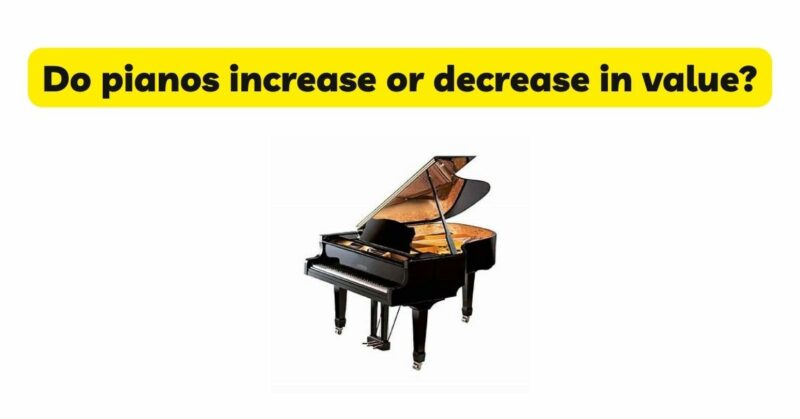
The value of pianos, like any other instrument or asset, is influenced by a variety of factors. While some pianos can appreciate in value over time, others may experience depreciation. Understanding the factors that contribute to the value of pianos can help individuals make informed decisions about their investment. This article aims to delve into the factors that influence whether pianos increase or decrease in value, providing insights into the dynamics of the piano market and helping individuals navigate the world of piano ownership.
- Factors That Can Increase the Value of Pianos:
a. Brand and Reputation: Pianos from well-established and reputable brands tend to hold their value well, and in some cases, even appreciate over time. Brands such as Steinway & Sons, Bosendorfer, Fazioli, Yamaha, and Kawai have a long-standing history of producing high-quality instruments. Pianos from these brands, especially limited edition or vintage models, can appreciate due to their craftsmanship, reputation, and desirability in the market.
b. Rarity and Exclusivity: Pianos that are rare or limited in production are often more valuable. Special edition pianos, pianos with unique characteristics, or instruments with historical significance can command higher prices due to their scarcity and exclusivity. Collectors and enthusiasts may be willing to pay a premium for pianos that offer a distinctive and unique playing experience.
c. Historical Significance: Pianos associated with famous musicians, composers, or historical events can appreciate in value due to their historical significance. Instruments owned or played by renowned artists or those used in significant performances or recordings can become highly sought after in the market. The historical provenance and documented connection to prominent figures can contribute to the appreciation of a piano’s value.
d. Condition and Maintenance: Well-maintained pianos, regardless of age, tend to hold their value better than neglected or poorly cared-for instruments. Regular maintenance, tuning, and appropriate storage contribute to a piano’s longevity and playability. Pianos that have been meticulously maintained and restored by reputable technicians or manufacturers can command higher prices in the market.
- Factors That Can Decrease the Value of Pianos:
a. Age and Wear: Pianos, particularly those that are older, may experience depreciation in value. Age alone does not necessarily determine a piano’s worth, but older instruments may require more extensive maintenance or restoration to retain their value. Pianos that exhibit significant wear, damage, or structural issues may depreciate in value due to the cost of repairs and restoration required.
b. Technology and Advancements: Advancements in technology and the introduction of new features in digital keyboards and hybrid pianos can impact the value of traditional acoustic pianos. While acoustic pianos maintain their unique appeal and authenticity, the increasing popularity and convenience of digital options may influence the demand and market value of acoustic instruments.
c. Market Demand and Trends: Market demand and trends play a significant role in determining a piano’s value. Consumer preferences and shifts in musical styles can affect the demand for certain types of pianos. Additionally, economic factors and market conditions can influence the overall demand for pianos, which may impact their value. It’s important to consider market dynamics and fluctuations when assessing the potential appreciation or depreciation of a piano.
d. Maintenance and Condition Issues: Pianos that require significant repairs, have structural issues, or show signs of neglect may experience a decrease in value. The cost of repairs and restoration can outweigh the potential resale value of a piano in poor condition. Buyers are generally more inclined to invest in pianos that are in good playing condition and require minimal maintenance.
Conclusion:
The value of pianos is influenced by a range of factors, including brand reputation, rarity, historical significance, condition, technological advancements, market demand, and trends. Pianos from reputable brands with a long-standing legacy often hold their value or appreciate over time. Rare or limited-edition pianos, instruments with historical significance, and those associated with famous musicians can also experience appreciation in value. Conversely, pianos that show signs of wear, require extensive repairs, or are affected by changing market dynamics may experience depreciation.
When considering the value of a piano, it’s essential to evaluate factors such as brand reputation, rarity, condition, historical significance, and market demand. It’s also crucial to seek expert advice, consult piano technicians, and research the market to make an informed decision. Ultimately, the value of a piano extends beyond its monetary worth, as the joy of playing, personal growth, and artistic fulfillment it brings are immeasurable. By understanding the dynamics that influence piano value, individuals can navigate the piano market and make informed decisions about their investments in these cherished instruments.