
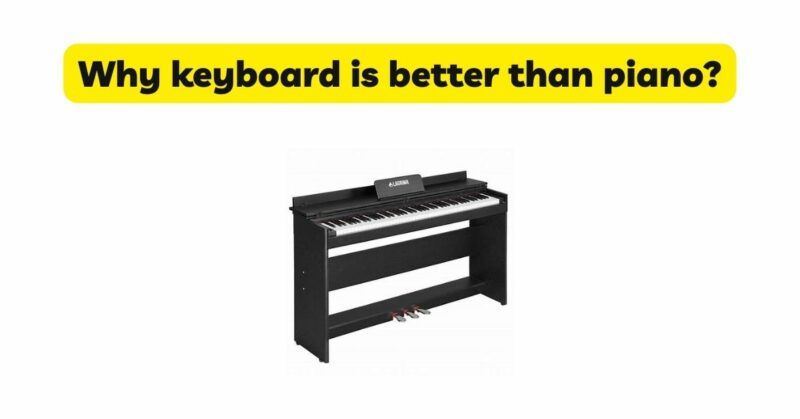
When it comes to learning to play the piano, choosing the right instrument is crucial. While traditional acoustic pianos hold a special place in the hearts of many musicians, modern keyboards have emerged as a viable alternative with distinct advantages. In this article, we will explore the reasons why keyboards excel over pianos and why they may be the preferred choice for aspiring pianists. By examining the advantages of keyboards, we aim to provide a comprehensive understanding of their benefits and why they are often considered superior to pianos.
- Accessibility and Portability: One of the key advantages of keyboards is their accessibility and portability. Unlike acoustic pianos, which are large, heavy, and require a dedicated space, keyboards are compact, lightweight, and easy to transport. This portability allows musicians to practice and perform wherever they go, making it an ideal choice for those who travel frequently or have limited space. Whether it’s a rehearsal, a gig, or simply practicing at home, keyboards offer unmatched convenience and accessibility.
- Affordability: Financial considerations often play a significant role in the decision-making process. Acoustic pianos can be prohibitively expensive, making them less accessible to many aspiring pianists. In contrast, keyboards are generally more affordable, offering a range of options that fit various budgets. From entry-level models to professional-grade keyboards, there is a wide selection available to suit different needs and financial constraints. The affordability factor makes keyboards an attractive choice for beginners and those on a limited budget.
- Technological Advancements: Keyboards boast significant technological advancements that enhance the learning and playing experience. Many keyboards are equipped with features such as weighted keys, touch sensitivity, and graded hammer action, which aim to replicate the feel and response of an acoustic piano. Some advanced keyboards even offer additional features like built-in rhythms, accompaniment styles, and a wide array of instrument sounds. These technological advancements provide a versatile and interactive platform for creativity, experimentation, and exploration of various musical genres.
- Sound Options and Versatility: One of the standout advantages of keyboards is the ability to produce a diverse range of sounds and tones. While acoustic pianos are limited to producing piano sounds, keyboards offer an extensive library of instrument sounds, including pianos, strings, organs, synthesizers, and much more. This versatility allows musicians to experiment with different genres and styles, expand their musical horizons, and create unique arrangements. Keyboards also often include built-in effects and customizable sound options, further enhancing the versatility and sonic possibilities.
- Learning Tools and Resources: Keyboards come equipped with an array of learning tools and resources that cater to the needs of both beginners and advanced pianists. Many keyboards feature built-in metronomes, recording capabilities, and educational modes that guide learners through lessons and exercises. Additionally, keyboards can be connected to computers or mobile devices, opening up a world of online tutorials, educational software, and interactive learning platforms. These resources provide comprehensive guidance, music theory explanations, sheet music libraries, and performance feedback, facilitating the learning process and helping musicians progress at their own pace.
- Maintenance and Durability: Unlike acoustic pianos that require regular maintenance, tuning, and adjustments, keyboards are relatively low-maintenance instruments. Keyboards do not have strings that need tuning or sensitive wooden components that can be affected by changes in temperature and humidity. They are designed to be durable, requiring minimal upkeep beyond occasional cleaning and software updates. This ease of maintenance makes keyboards an attractive choice, particularly for those who prefer to focus more on playing and less on maintenance tasks.
- Integration with Technology: The digital nature of keyboards allows for seamless integration with technology. Keyboards can connect to computers, tablets, and music production software, expanding the creative possibilities for musicians. This integration opens up opportunities for recording, arranging, and producing music, whether it’s for personal enjoyment or professional purposes. Additionally, keyboards can be used in conjunction with MIDI controllers, allowing for live performances, studio work, and collaborations with other musicians. The integration with technology provides a level of versatility and flexibility that is not easily achievable with acoustic pianos.
Conclusion: Keyboards have risen to prominence as a superior choice for many aspiring pianists due to their accessibility, affordability, technological advancements, versatility, and integration with modern technology. Their portability, diverse sound options, and extensive learning resources make them highly attractive for musicians of all levels. While acoustic pianos hold their own charm and are irreplaceable in certain contexts, keyboards offer distinct advantages that make them a preferred choice for many. Ultimately, the decision between a keyboard and a piano should be based on personal preferences, musical goals, budget constraints, and the intended usage of the instrument. Regardless of the choice made, what truly matters is the passion, dedication, and joy that music brings to the learning process, no matter the instrument.