
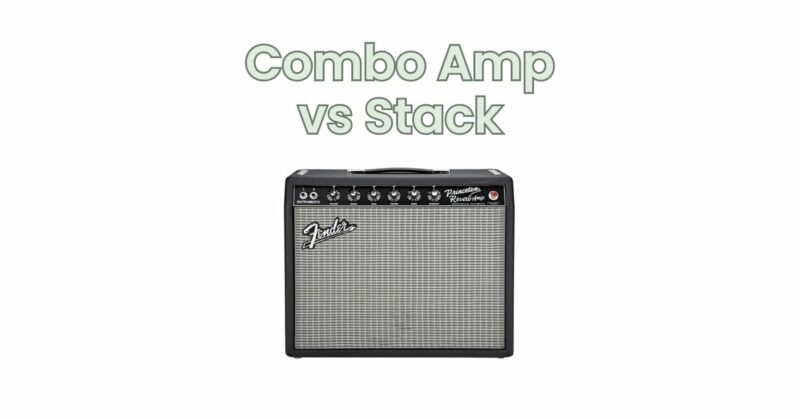
When it comes to guitar amplification, two iconic setups that have captivated musicians for decades are the combo amp and the stack. Each configuration offers unique advantages and tonal possibilities, making them popular choices for different musical styles and performance needs. In this article, we delve into the differences between a combo amp and a stack, exploring their characteristics, tonal capabilities, and practical considerations to help you make an informed decision when choosing the right amplification setup for your guitar journey.
Combo Amp: Convenience and Versatility A combo amp combines the amplifier and the speaker into a single unit, offering convenience and versatility. Here are some key aspects of the combo amp:
- All-in-One Solution: The combo amp provides a compact and portable package where the amplifier and speaker are housed in a single enclosure. This design simplifies transportation and setup, making it an attractive choice for gigging musicians and those with limited space.
- Convenience and Ease of Use: Combo amps are generally user-friendly, with controls and connections conveniently located on the unit’s front panel. This setup allows for quick and straightforward adjustments, making it suitable for players who value simplicity and efficiency.
- Built-In Tonal Synergy: Combo amps are meticulously designed by manufacturers to provide optimal matching between the amplifier and the speaker. This integration ensures a cohesive and balanced tone, eliminating the need for matching separate components.
- Portability and Practicality: Combo amps are known for their portability and space efficiency. They are easy to transport, set up, and store, making them suitable for musicians who frequently move between practice sessions, rehearsals, and gigs.
Stack (Amplifier Head and Speaker Cabinet): Power and Tonal Flexibility A stack configuration comprises an amplifier head and a separate speaker cabinet, offering power and tonal flexibility. Here are some key aspects of the stack setup:
- Customization and Tonal Versatility: The stack configuration allows for customization by combining different amplifier heads and speaker cabinets to achieve specific tonal characteristics. This versatility allows guitarists to tailor their sound precisely to their musical preferences and genres.
- Power and Headroom: Amplifier heads in stack setups often offer higher wattage, allowing for increased power and headroom. This extra power can provide cleaner tones at higher volumes or accommodate genres that demand ample volume and dynamics, such as heavy metal or hard rock.
- Expandability and Stage Presence: The stack setup provides the flexibility to add additional speaker cabinets, increasing the overall sound projection, dispersion, and stage presence. This expandability is advantageous for larger venues or outdoor performances where greater volume and coverage are required.
- Visual Impact: The towering presence of a stack configuration exudes a classic and visually striking image associated with rock and roll. The aesthetic appeal of a stack setup can enhance a guitarist’s stage presence and create a commanding visual impact during performances.
Considerations and Personal Preference: When choosing between a combo amp and a stack setup, several factors come into play:
- Tonal Requirements: Combo amps provide a cohesive and integrated tonal character, while stack setups offer customization and tonal versatility. Consider whether you prefer a ready-made sound or desire the ability to fine-tune your tone according to specific musical styles and preferences.
- Portability and Space: Combo amps excel in portability and space efficiency, making them suitable for musicians on the move or those with limited space. Stack setups are bulkier and require more effort to transport and set up, making them ideal for stationary or larger performance settings.
- Power and Volume Needs: If you require higher wattage, increased headroom, or the ability to project sound in larger venues, a stack setup may be a better fit. Combo amps are typically sufficient for smaller to medium-sized venues and practice settings.
- Budget: Combo amps often provide a cost-effective solution as they combine the amplifier and speaker in a single unit. Stack setups can be more expensive, especially when considering separate components and the potential need for multiple speaker cabinets.
Conclusion: The choice between a combo amp and a stack setup ultimately depends on your specific requirements, tonal preferences, playing style, and budget. Combo amps offer convenience, portability, and integrated tonal synergy, while stack setups provide customization, tonal flexibility, and increased power options. Consider factors such as tonal preferences, portability, space, power needs, expandability, and budget when making your decision. The perfect amplification setup is one that inspires your playing and helps you achieve the desired tone and performance experience. Whether you choose the convenience of a combo amp or the flexibility of a stack setup, both options have their place in the world of guitar amplification, allowing you to express your musical vision with clarity and power.