
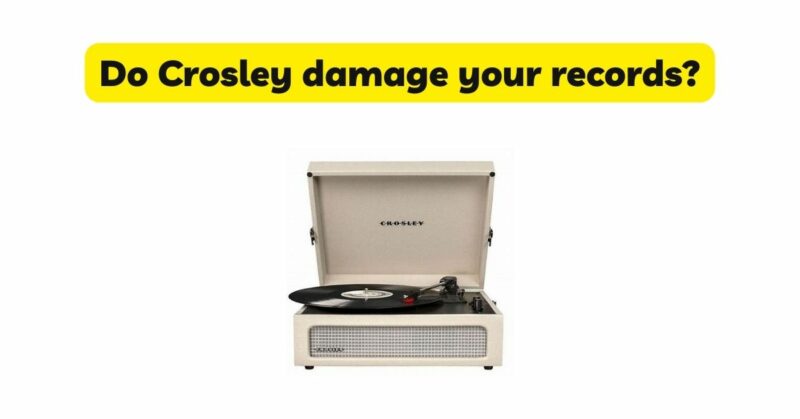
Crosley record players have gained popularity in recent years, attracting vinyl enthusiasts with their vintage design and affordability. However, concerns have been raised about whether Crosley record players can potentially damage precious vinyl records. In this article, we will delve into this topic and provide a comprehensive analysis of the potential effects of Crosley record players on vinyl records. By examining the design and components of Crosley turntables, discussing proper usage and maintenance techniques, and addressing common misconceptions, we aim to clarify the extent to which Crosley record players may or may not damage your records.
- Platter Material and Design: Crosley record players typically feature platters made of materials such as aluminum or plastic. These materials are chosen for their durability, cost-effectiveness, and ability to provide a stable playback surface. When used correctly and in conjunction with proper maintenance and handling techniques, Crosley platters do not inherently damage vinyl records. However, it is essential to note that mishandling records or using damaged or poorly maintained components can potentially lead to record damage regardless of the turntable brand.
- Needle/Stylus Quality and Maintenance: The needle, also known as the stylus, is a crucial component of any turntable that makes direct contact with the record grooves. Crosley record players come with needles designed for general playback. While these needles are suitable for most records, some enthusiasts may opt for higher-quality replacement needles to enhance performance and minimize potential damage. Regular maintenance, such as cleaning and proper alignment, can further contribute to preserving both the needle and the record.
- Tonearm Alignment: Proper alignment of the tonearm is vital in preventing potential record damage. Crosley turntables, like many others, provide adjustable tonearms that should be aligned parallel to the record surface. Incorrect alignment may cause the stylus to exert excessive pressure or deviate from the grooves, increasing the risk of damage. Users should refer to the manufacturer’s guidelines or seek professional assistance to ensure accurate tonearm alignment.
- Tracking Force and Anti-Skate Adjustment: Appropriate tracking force and anti-skate settings are critical factors in safeguarding vinyl records. Crosley record players typically offer mechanisms for adjusting tracking force and anti-skate. Tracking force refers to the downward pressure applied by the tonearm on the record, while anti-skate helps maintain balance during playback. Following the manufacturer’s recommendations and properly calibrating these settings can minimize the potential for record damage.
- Record Care and Maintenance: Proper care and maintenance of vinyl records are essential for their longevity, regardless of the turntable brand. Users should handle records with clean hands, store them in protective sleeves, and avoid exposing them to dusty or dirty surfaces. Regular cleaning using appropriate methods and tools, such as carbon fiber brushes or record cleaning solutions, can remove dust and debris that may otherwise cause damage during playback.
- User Responsibility: It is crucial to emphasize the role of user responsibility in preventing potential record damage. Mishandling records, forcefully dropping the tonearm, or neglecting proper maintenance can increase the risk of damage on any turntable, including Crosley record players. Users should exercise caution, follow recommended usage guidelines, and handle records with care to minimize the risk of scratches, warps, or other forms of damage.
- Crosley’s Commitment to Quality: Crosley is a reputable brand that has gained recognition in the turntable market. While no turntable is entirely immune to the possibility of record damage if used improperly or with faulty components, Crosley invests in research and development to ensure that their record players meet industry standards and deliver reliable performance. They strive to produce turntables that provide an enjoyable listening experience without compromising the integrity of vinyl records.
Conclusion: Contrary to some misconceptions, Crosley record players, when used correctly and in conjunction with proper maintenance and handling techniques, do not inherently damage vinyl records. The choice of platter material, the quality of the needle, tonearm alignment, tracking force adjustment, and record care practices are critical factors in safeguarding vinyl records. It is crucial for users to exercise responsibility, adhere to usage guidelines, and handle records with care to minimize the risk of damage. By understanding the components of Crosley record players, addressing common misconceptions, and practicing proper maintenance, vinyl enthusiasts can enjoy their records on Crosley turntables with confidence, knowing that their cherished collection remains protected.