
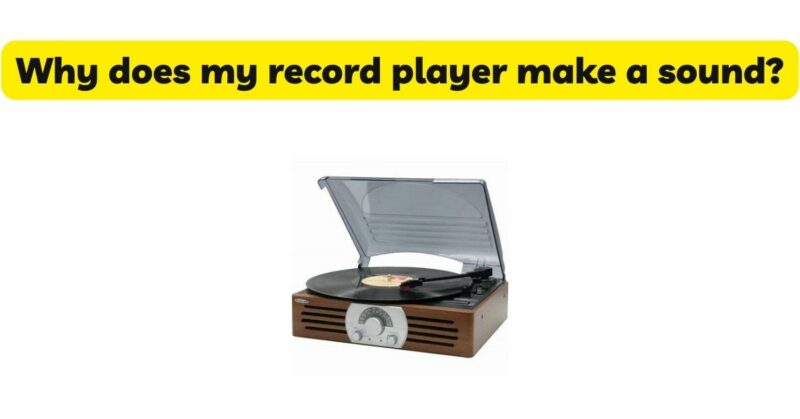
The sound produced by a record player, beyond the music it plays, can sometimes be puzzling. From mechanical noises to hums or clicks, these sounds can detract from the desired audio experience. Understanding the various factors that contribute to the sounds produced by a record player is crucial for troubleshooting and resolving any issues. In this article, we will explore the common reasons why a record player makes sounds, including mechanical components, electrical components, record condition, and environmental factors. By delving into these aspects, we aim to provide insights into the sources of these sounds and potential solutions, enabling you to enjoy a quieter and more immersive vinyl listening experience.
- Mechanical Components: a. Motor Noise: The motor responsible for spinning the turntable platter can generate noise. Some turntable motors produce a low humming sound, while others may emit a mechanical whirring noise. Proper motor maintenance, such as lubrication and belt replacement, can help reduce these sounds.
b. Belt Noise: If the turntable utilizes a belt-driven system, the belt itself can produce noise. Worn-out or misaligned belts can cause squeaking or slipping sounds. Replacing the belt with a new, properly sized one can resolve this issue.
c. Bearing Noise: The turntable’s bearing system, which supports the platter and allows smooth rotation, can create audible sounds if not properly maintained or lubricated. Regular cleaning and appropriate lubrication can minimize bearing noise.
d. Tonearm Noise: The tonearm mechanism may generate sounds during operation. It can produce clicks or pops when moving across the record or when the automatic return mechanism engages. Cleaning and lubricating the tonearm’s moving parts can help reduce these sounds.
- Electrical Components: a. Grounding Issues: Poor grounding can result in audible hum or buzz. Inadequate grounding can allow electrical interference to affect the audio signal, manifesting as unwanted sounds. Ensuring proper grounding connections can mitigate this issue.
b. Preamp or Amplifier Noise: The preamp or amplifier used in the audio setup can introduce noise into the system. Poorly shielded components, aged electronics, or improper connections can contribute to hissing, crackling, or buzzing sounds. Maintaining and upgrading these components as needed can help reduce such noise.
- Record Condition: a. Surface Noise: Vinyl records can produce sounds due to their physical condition. Dust, dirt, or debris on the record’s surface can cause crackling, popping, or static-like noises. Regular cleaning with specialized brushes or record cleaning solutions can minimize surface noise.
b. Warping: Warped records can result in audible sounds as the stylus encounters uneven grooves. Ensuring proper storage and handling of records, avoiding extreme temperature fluctuations, and using a turntable with adjustable tonearm height can help mitigate the effects of warped records.
- Environmental Factors: a. Vibration and Resonance: External vibrations, such as footsteps or speakers placed too close to the turntable, can create sounds. These vibrations can cause the stylus or other components to resonate, resulting in audible noise. Isolating the turntable from vibrations and placing it on a stable surface can minimize these effects.
b. Airborne Noise: Ambient noise from the surrounding environment, such as fans, air conditioning units, or street traffic, can impact the listening experience. Creating a quiet listening environment or utilizing sound-absorbing materials can help reduce these external noises.
c. EMI and RF Interference: Electromagnetic interference (EMI) or radio frequency (RF) interference can introduce noise into the audio system. Sources such as Wi-Fi routers, smartphones, or nearby electronic devices can cause audible interference. Keeping the turntable away from these sources and using shielded cables can mitigate such interference.
Conclusion: The sounds produced by a record player can originate from various sources, including mechanical components, electrical components, record condition, and environmental factors. By understanding these factors, you can diagnose and potentially resolve issues affecting the sound quality and overall listening experience. Regular maintenance, proper grounding, and addressing any mechanical or electrical problems can help reduce unwanted sounds. Additionally, ensuring clean and well-preserved records, creating a quiet listening environment, and minimizing external interference contribute to a more enjoyable vinyl listening experience. By implementing appropriate measures and troubleshooting techniques, you can achieve a quieter, more immersive, and faithful audio reproduction from your record player.