
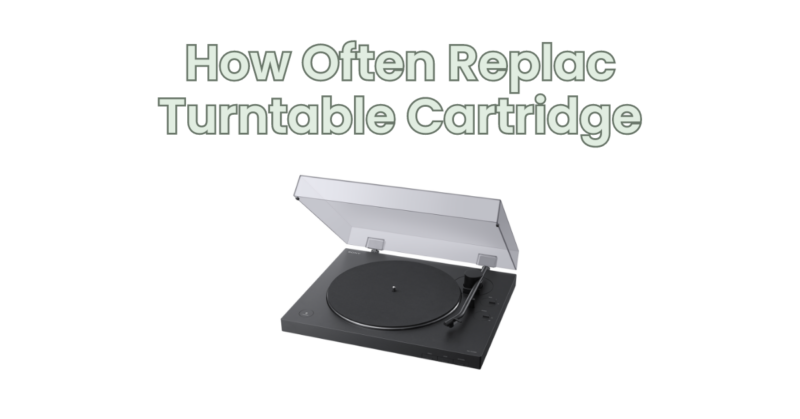
The cartridge is a critical component of a turntable as it houses the stylus (needle) responsible for tracking and reproducing the audio stored on vinyl records. Over time, the stylus and cartridge can experience wear and tear, which can affect the sound quality and tracking ability. In this article, we will explore how often you should consider replacing a turntable cartridge and factors that can influence its lifespan.
The lifespan of a turntable cartridge can vary depending on several factors, including usage, stylus quality, maintenance, and the condition of your vinyl records. While there is no fixed rule for when to replace a cartridge, there are some general guidelines to consider:
- Hours of Use: A common recommendation is to replace a turntable cartridge after approximately 500 to 1,000 hours of use. This estimate can vary depending on the cartridge’s design, quality, and the stylus profile. Higher-end cartridges may have longer lifespans and withstand more hours of use compared to entry-level cartridges. If you are a frequent listener who plays records for extended periods, you may need to replace the cartridge more frequently.
- Stylus Wear: The stylus is the part of the cartridge that makes contact with the record’s grooves. As it tracks the grooves, it can wear down over time, affecting the sound quality and potentially damaging your vinyl records. Regularly inspect the stylus for signs of wear, such as a visibly worn or damaged tip. If you notice any visible damage or experience a decline in sound quality, it may be time to replace the stylus or the entire cartridge.
- Record Condition: The condition of your vinyl records can also impact the lifespan of a turntable cartridge. Records with dust, debris, or embedded particles can cause excessive wear on the stylus. Cleaning your records regularly and ensuring they are free from dirt and dust can help prolong the life of your cartridge and stylus.
- Tracking Force and Alignment: Proper cartridge setup is crucial for optimal performance and longevity. Incorrect tracking force or misalignment can put unnecessary stress on the stylus and lead to premature wear. It is essential to follow the manufacturer’s instructions or consult the turntable manual to ensure correct tracking force and alignment. Regularly check and adjust these settings as needed to avoid excessive wear on the stylus.
- Maintenance and Care: Proper maintenance and care can also contribute to a longer cartridge lifespan. Avoid excessive handling of the stylus and never touch it with your fingers, as oils and debris can degrade its performance. Clean the stylus regularly using a stylus brush or a specialized cleaning solution to remove any accumulated dust or dirt.
It is important to note that these are general guidelines, and the lifespan of a turntable cartridge can vary depending on the factors mentioned above. Some cartridges may last longer, while others may require replacement sooner. It is always advisable to monitor the condition of your cartridge and stylus and use your judgment based on visible wear or decline in sound quality.
When it is time to replace a turntable cartridge, it is recommended to purchase a cartridge that is compatible with your turntable model and matches your desired sound characteristics. Consult the turntable manufacturer’s recommendations or seek advice from reputable audio equipment retailers to ensure compatibility and proper installation.
In conclusion, the lifespan of a turntable cartridge depends on factors such as hours of use, stylus wear, record condition, tracking force, and maintenance. By monitoring the condition of your cartridge and stylus and following proper maintenance practices, you can prolong their lifespan and ensure optimal sound quality from your turntable for years to come.