
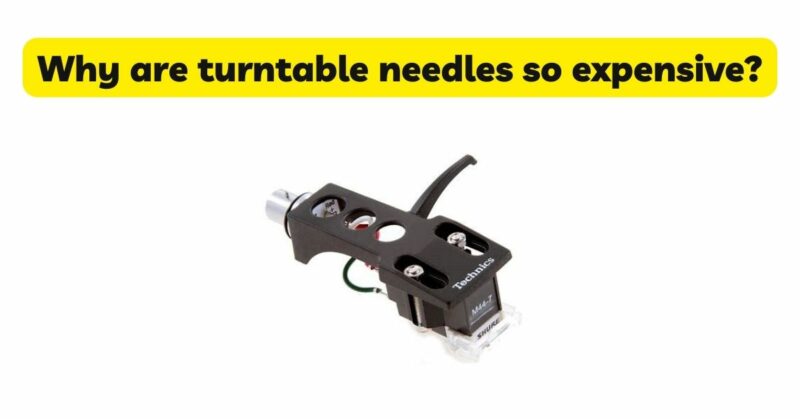
Turntable needles, also known as stylus, play a crucial role in the reproduction of sound from vinyl records. While some may perceive turntable needles to be expensive, there are various factors that contribute to their pricing. In this article, we will delve into the intricacies of turntable needle production, exploring the reasons behind their cost and shedding light on the value they bring to the vinyl listening experience.
- Complex Manufacturing Process: Turntable needles undergo a complex manufacturing process that involves precision engineering and meticulous craftsmanship. The production of a high-quality needle requires specialized equipment, skilled labor, and extensive quality control measures. The intricate design, precise shaping of the diamond tip, and the delicate bonding process contribute to the cost of manufacturing.
- High-Quality Materials: To ensure optimal performance and durability, turntable needles are crafted using high-quality materials. The diamond tip, often made from synthetic diamonds or diamond dust, is the most critical component. Diamonds are chosen for their hardness and wear resistance, ensuring accurate tracking and longevity. The use of premium materials adds to the overall cost of the needle.
- Research and Development: Turntable needle manufacturers invest significant resources in research and development to improve their products’ performance and longevity. This involves studying new materials, refining designs, and testing prototypes to achieve optimal sound quality and tracking capabilities. The costs associated with research and development are reflected in the final price of the needles.
- Specialized Expertise: Producing high-quality turntable needles requires specialized expertise and skilled craftsmanship. Needle manufacturers employ experienced engineers, designers, and technicians who possess in-depth knowledge of the intricacies of needle production. The expertise and craftsmanship involved contribute to the cost of the needles.
- Quality Control and Testing: To ensure consistent performance and adherence to strict specifications, turntable needles undergo rigorous quality control measures and testing. Each needle must meet stringent standards before it is deemed fit for sale. Quality control procedures, such as microscopic inspections and sound testing, add to the overall cost but guarantee a reliable and accurate product.
- Limited Market and Demand: The market for turntable needles is relatively niche compared to other audio components. The demand for turntable needles may be lower than that of more mainstream audio equipment, resulting in smaller production runs and economies of scale. The limited market size can contribute to higher production costs and, subsequently, higher prices for turntable needles.
- Licensing and Intellectual Property: Some turntable needle manufacturers may hold patents or licenses for specific needle designs or technologies. Licensing fees or royalties associated with the use of patented or licensed technologies can impact the cost of the needles. These additional expenses are often passed on to the consumers, contributing to the overall price of the needles.
- Customization and Audiophile Options: Turntable needle manufacturers often cater to the needs of audiophiles and enthusiasts who seek specialized or customized options. These needles may feature premium materials, advanced designs, or unique characteristics tailored to specific listening preferences. The additional time, effort, and resources required to produce custom or audiophile-grade needles contribute to their higher price points.
- Brand Reputation and Marketing: Turntable needle manufacturers, especially those with established reputations, often invest in brand promotion and marketing efforts. Building and maintaining a reputable brand presence require financial investments in advertising, distribution networks, and customer support. These factors can influence the pricing of turntable needles, reflecting the value associated with reputable brands.
- Value and Enhanced Listening Experience: While turntable needles may seem expensive, it is essential to consider the value they bring to the vinyl listening experience. High-quality needles accurately track the grooves of records, preserving the fidelity and detail of the original recordings. A well-crafted needle can enhance sound quality, reduce record wear, and provide a more immersive and enjoyable listening experience. The cost of the needles is justified by the value they add to the overall vinyl playback system.
Conclusion: The pricing of turntable needles is influenced by several factors, including the complex manufacturing process, high-quality materials, research and development, specialized expertise, and rigorous quality control. Additionally, the limited market size, licensing fees, customization options, brand reputation, and marketing efforts contribute to the overall cost. While turntable needles may appear expensive, it is important to recognize the value they bring to the vinyl listening experience, enhancing sound quality and ensuring accurate reproduction of music from vinyl records. The investment in high-quality needles ultimately leads to a more fulfilling and immersive vinyl playback journey.