
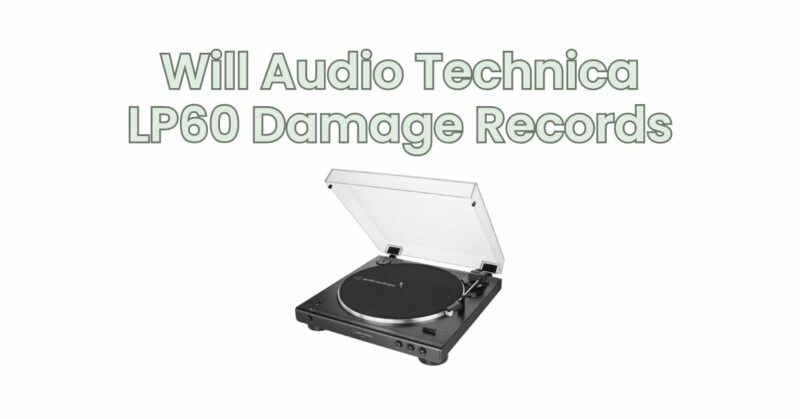
The Audio Technica LP60 turntable has gained popularity among vinyl enthusiasts as an entry-level, affordable option that delivers decent sound quality. However, there have been concerns and debates surrounding whether the LP60 can potentially damage precious vinyl records. In this article, we will address this myth and provide a balanced perspective on the topic, helping you understand the factors that contribute to record damage and how to mitigate any potential risks.
Understanding the Mechanics: To assess the potential for record damage, it is crucial to understand the mechanics of a turntable. The LP60, like many other modern turntables, utilizes a diamond-tipped stylus that rides in the grooves of the record. The stylus, mounted on a cartridge, translates the grooves’ vibrations into an electrical signal, ultimately producing sound. It is the interaction between the stylus and the record that sparks concerns about potential damage.
The Importance of Proper Maintenance: Record damage is typically a result of improper handling, maintenance, or poor quality components. When it comes to preserving your vinyl collection, regardless of the turntable model, there are several key factors to consider:
- Stylus Quality and Condition: The LP60 comes with a pre-installed stylus, and its quality plays a crucial role in record preservation. While the stylus on the LP60 is designed to be gentle on records, it is essential to maintain and replace it when necessary. Regularly inspect the stylus for wear, and follow Audio Technica’s guidelines for stylus replacement intervals.
- Tracking Force and Anti-Skate: Proper tracking force and anti-skate adjustment are vital in preventing excessive wear on your records. The LP60 has a fixed tracking force, which means you cannot manually adjust it. Audio Technica has engineered the turntable to apply a suitable tracking force for most records. However, it is recommended to avoid excessively worn or damaged records to minimize potential risks.
- Cleanliness: Maintaining a clean record surface is crucial for both sound quality and longevity. Dust, dirt, and debris can cause additional friction and damage the stylus and record grooves. Regularly clean your records using appropriate record cleaning methods and keep the turntable and stylus clean to minimize the potential for damage.
- Record Handling: Proper record handling is essential to avoid unnecessary damage. Always handle records by the edges, avoid touching the playing surface, and use protective sleeves to prevent scratches and dust accumulation. Additionally, gently place and lift the tonearm to avoid accidental scratching.
Conclusion: Contrary to popular belief, the Audio Technica LP60 turntable, when used and maintained correctly, should not inherently damage your records. The potential for damage exists with any turntable if proper care and maintenance are neglected. Ensuring a high-quality stylus, proper tracking force, and anti-skate adjustment, as well as maintaining cleanliness, will help preserve your vinyl collection and mitigate any potential risks.
Remember, record damage is more likely to occur due to mishandling, poor maintenance, or using worn-out or damaged records. By following best practices for record handling, maintenance, and using the LP60 as intended, you can enjoy your vinyl collection without significant concerns about damage.
If you have specific concerns or questions about your turntable or records, it is always beneficial to consult Audio Technica’s customer support or seek advice from experienced vinyl enthusiasts. By taking proactive steps to care for your records, you can enjoy the captivating sound of vinyl on your Audio Technica LP60 turntable for years to come.