
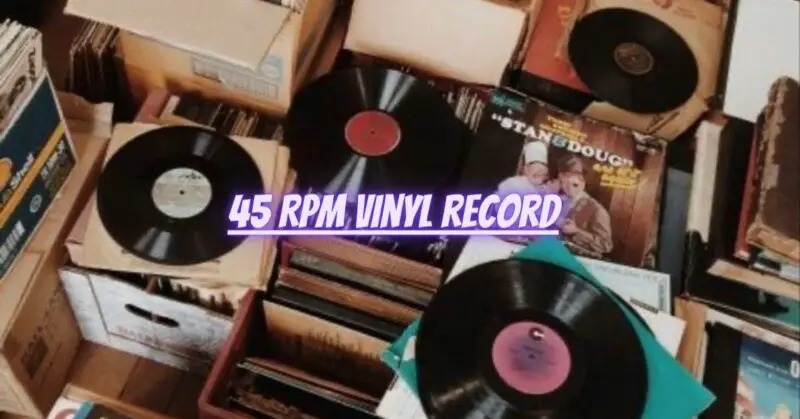
Vinyl records have a rich history and come in various formats, each offering a unique listening experience. Among these formats, the 45 RPM (revolutions per minute) vinyl record holds a special place. Known for their single tracks and vibrant sound quality, 45 RPM records have left an indelible mark on the music industry. In this article, we will delve into the world of 45 RPM vinyl records, exploring their significance, advantages, and impact on music culture.
- Single Track Format: 45 RPM records are typically associated with single tracks or “singles” released by artists. Each side of a 7-inch 45 RPM record contains a single song, allowing for a concise and focused listening experience. These records became popular during the mid-20th century, serving as a medium for promoting hit songs and capturing the essence of an artist’s musical vision in a condensed format.
- Increased Sound Fidelity: 45 RPM records are known for their increased sound fidelity and dynamic range. The higher rotation speed compared to LPs (33 RPM records) allows for tighter grooves and greater precision in capturing audio details. As a result, 45 RPM records offer a crisp, detailed, and vibrant sound that brings out the nuances and energy of the music.
- DJ Culture and 45 RPM Records: The DJ culture played a significant role in the popularity of 45 RPM records. DJs often used 7-inch 45s for their performances, utilizing the single-track format to create dynamic sets and engage with the crowd. The smaller size of 45 RPM records made it easier for DJs to carry and organize a larger selection of tracks for their performances.
- Collectability and Rarity: 45 RPM records have become highly collectible items, particularly those from specific eras or featuring rare tracks. Collectors value these records for their historical significance, limited releases, and unique variations. Certain 45 RPM records, such as promotional copies or records with misprinted labels, can fetch high prices in the collector’s market.
- Cultural Significance: The cultural significance of 45 RPM records extends beyond their musical content. These records played a pivotal role in shaping popular music, particularly during the golden age of rock ‘n’ roll and the rise of youth culture in the 1950s and 1960s. They became a symbol of rebellion, freedom, and individual expression. The art of flipping a 45 RPM record, playing the hit on one side and discovering a hidden gem on the other, became an iconic ritual for music enthusiasts.
- Resurgence and Nostalgia: While the popularity of 45 RPM records declined with the advent of other formats, there has been a resurgence of interest in recent years. The vinyl revival and the growing appreciation for analog music have fueled a renewed interest in 45 RPM records. Music enthusiasts and collectors seek out these records for their unique sound quality, collectability, and nostalgic appeal.
Conclusion: 45 RPM vinyl records hold a special place in music history, offering a vibrant and concise listening experience. With their single-track format, increased sound fidelity, and cultural significance, these records capture the essence of musical moments and stand as a testament to the creativity and innovation of artists. The collectability and nostalgia associated with 45 RPM records continue to attract a dedicated following. So, dust off your turntable, stack a few 7-inch 45 RPM records on the platter, and immerse yourself in the vibrant sounds that these records have to offer.