
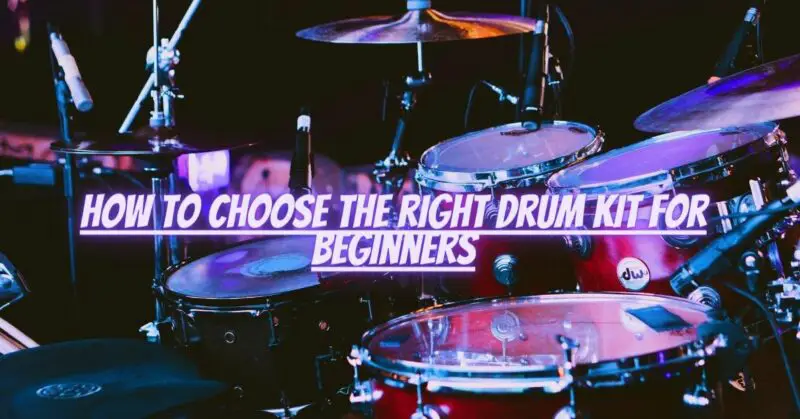
Drumming is an exciting and expressive musical endeavor that captivates many individuals, and if you’re a beginner looking to embark on this rhythmic journey, choosing the right drum kit is crucial. With a multitude of options available, it can be overwhelming to know where to start. In this article, we will guide you through the essential factors to consider when selecting a drum kit for beginners, ensuring that you make an informed decision that suits your needs and budget.
- Determine your budget: Before diving into the world of drum kits, establish a budget range that you are comfortable with. Drum kits can vary significantly in price, and having a budget in mind will help narrow down your options and avoid overspending. Consider your commitment level and long-term goals as well, as this will influence the quality and features you should prioritize.
- Types of drum kits: There are primarily three types of drum kits: acoustic, electronic, and hybrid. Each type offers unique advantages and considerations for beginners:
a. Acoustic drum kits: These traditional kits produce sound through physical drumheads and cymbals. They provide an authentic and tactile drumming experience but require more space and maintenance.
b. Electronic drum kits: These kits use electronic pads to produce sound, making them ideal for practicing with headphones or connecting to a computer for recording purposes. They are generally more compact, customizable, and have various built-in sounds and practice features.
c. Hybrid drum kits: These kits combine the elements of both acoustic and electronic drums, allowing you to blend the best of both worlds. Hybrid kits are often preferred by drummers who want the versatility of electronic sounds alongside the feel of acoustic drums.
- Consider your playing environment: Evaluate the space available to you for practicing or performing. If you live in an apartment or have noise restrictions, an electronic drum kit may be a more practical choice due to its ability to control volume. On the other hand, if you have dedicated space or plan to play live performances, an acoustic or hybrid kit may suit your needs better.
- Quality and durability: As a beginner, you may be tempted to purchase a budget-friendly drum kit. While affordability is important, it is also crucial to consider the quality and durability of the instrument. Look for reputable brands known for producing reliable and long-lasting drum kits. Read reviews, seek advice from experienced drummers, and ensure that the kit you choose can withstand regular practice and potential transportation.
- Essential components: Drum kits consist of various components, and understanding their importance will help you make an informed decision. Key components include:
a. Drum shells: The main body of the drums, usually made of wood or other materials, determine the sound characteristics.
b. Drumheads: The surface that is struck to produce sound. Replaceable drumheads allow you to customize the sound and playability over time.
c. Hardware: This includes the stands, pedals, and mounting systems that hold the drums and cymbals in place. Ensure they are sturdy, adjustable, and easy to use.
d. Cymbals: Consider whether the kit includes cymbals or if they need to be purchased separately. Starter kits often come with basic cymbals, but upgrading them later might be necessary for better sound quality.
- Try before you buy: Whenever possible, visit a music store and try out different drum kits. Get a feel for the instruments, assess their responsiveness, and test their sound quality. Trying them out will provide valuable insight into which kit suits your playing style and preferences.
Conclusion: Selecting the right drum kit as a beginner is an important decision that can greatly impact your drumming journey. By considering your budget, type of kit, playing environment, quality and durability, essential components, and trying out different options, you can make an informed choice. Remember, the perfect drum kit is the one that inspires and motivates you to pursue your passion for drumming. So take your time, explore different options, and embrace the joy of finding the drum kit that best matches your needs and aspirations.