
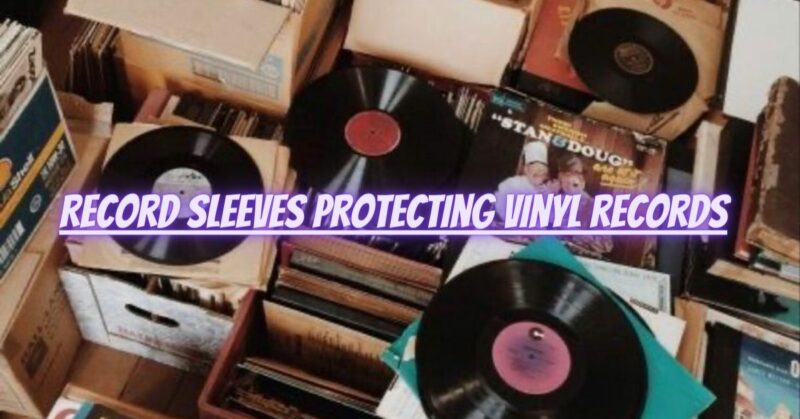
Vinyl records have a timeless charm that continues to captivate music enthusiasts. The tactile experience of holding a record, examining the album artwork, and placing it on the turntable is an integral part of the vinyl culture. To ensure the longevity and preservation of these musical treasures, record sleeves play a crucial role. In this article, we will explore the importance of record sleeves in protecting vinyl records from damage and deterioration.
Shielding Against Dust and Dirt: One of the primary functions of record sleeves is to safeguard vinyl records from dust and dirt. Dust particles can settle on the surface of the record and cause surface noise, pops, and crackles during playback. Additionally, accumulated dirt can damage the grooves over time, leading to a decline in sound quality. Record sleeves act as a barrier, preventing dust and dirt from settling directly on the vinyl, thereby preserving the audio fidelity and enhancing the listening experience.
Preventing Scratches and Scuffs: Vinyl records are delicate, and even minor scratches or scuffs can have a noticeable impact on sound quality. Record sleeves provide a protective layer, reducing the risk of scratches caused by mishandling, accidental drops, or contact with other objects. The smooth interior of the sleeve helps minimize friction, preventing abrasions that can compromise the grooves and result in audible distortions.
Preserving Album Artwork: The album artwork is an integral part of the vinyl experience, with iconic covers often becoming symbols of musical history. Record sleeves safeguard the album artwork from fading, moisture damage, and other environmental factors. By keeping the record securely enclosed in a sleeve, the artwork remains intact, allowing collectors and enthusiasts to appreciate the visual appeal and historical significance of each album.
Preventing Ring Wear: Ring wear is a common issue that occurs when records are stored upright without protective sleeves. The friction between records causes circular marks on the covers, diminishing their overall aesthetic value. Record sleeves not only protect the vinyl but also act as a buffer between records, preventing ring wear and maintaining the pristine appearance of the album covers.
Minimizing Static Electricity: Static electricity can pose a threat to vinyl records, attracting dust particles and causing crackling sounds during playback. Record sleeves made from anti-static materials, such as polyethylene or polypropylene, help reduce static buildup, preventing unwanted noise and maintaining a clean surface for the stylus to track.
Choosing the Right Record Sleeves: When selecting record sleeves, it is essential to opt for high-quality options designed specifically for vinyl records. Polyethylene or polypropylene sleeves are popular choices due to their anti-static properties and durability. These sleeves offer optimal protection against dust, scratches, and static electricity while allowing easy access to the record.
Additionally, inner sleeves with rounded corners are recommended to prevent edge damage to the record. For valuable or rare records, investing in archival-grade sleeves made from acid-free materials is advisable, as these sleeves offer long-term protection against degradation.
Conclusion: Record sleeves play a vital role in preserving and protecting vinyl records, ensuring their longevity and maintaining audio quality. By shielding records from dust, scratches, static electricity, and other potential hazards, record sleeves help safeguard the integrity of the music and the album artwork. Whether you’re a casual listener or a passionate collector, using proper record sleeves is a simple yet effective way to protect your vinyl records and enhance your overall vinyl experience for years to come.