
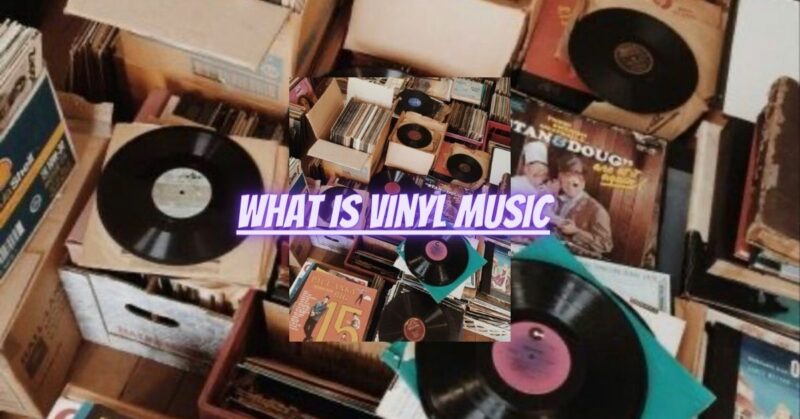
Vinyl music, also known as vinyl records or simply vinyl, refers to a medium of recorded music that has been enjoyed for decades. It involves the use of vinyl records, which are flat discs made of polyvinyl chloride (PVC) that contain grooves engraved with the audio waveform. Vinyl music has maintained its allure and popularity despite the emergence of digital formats. In this article, we will explore the characteristics, history, and enduring appeal of vinyl music.
- The Analog Experience: Vinyl music offers a unique listening experience characterized by its warm, rich, and full sound. Unlike digital formats that rely on sampling and conversion, vinyl records produce an analog sound by directly translating the grooves into audio signals. This analog nature contributes to a certain depth, texture, and presence that many enthusiasts find captivating.
- History and Evolution: Vinyl records emerged in the early 20th century as an evolution of previous sound storage formats such as shellac records and phonograph cylinders. The introduction of the microgroove format in the 1950s allowed for longer playing times and improved fidelity. Vinyl records became the dominant music format through the mid-20th century until they were gradually supplanted by compact discs (CDs) in the 1980s and digital downloads in the 2000s. However, vinyl has experienced a resurgence in recent years, with renewed interest from audiophiles and music lovers alike.
- Collectibility and Artistic Appeal: Vinyl music holds a special place in the hearts of collectors. Vinyl records often feature elaborate album artwork, liner notes, and additional inserts that enhance the overall experience. Many collectors appreciate the tangible nature of vinyl, as they can hold and admire the physical medium while listening to the music. Additionally, limited editions, colored vinyl, and rare pressings add to the allure of vinyl collecting as a hobby.
- Engagement and Ritual: Playing vinyl music involves a unique ritual that engages the listener on a different level. Selecting a record, carefully removing it from its sleeve, and delicately placing it on the turntable all contribute to a mindful and immersive experience. The gentle crackling and popping of the vinyl surface as the needle touches the grooves further add to the charm. Vinyl enthusiasts appreciate the deliberate and intentional act of listening, fostering a deeper connection with the music.
- Preservation and Sound Quality: Vinyl music has stood the test of time due to its durability and resilience. Properly cared for vinyl records can last for decades, allowing for the preservation of musical history. Moreover, many argue that vinyl records offer a superior sound quality, particularly in terms of warmth, dynamic range, and overall tonality. This sonic character is attributed to the analog nature of vinyl playback and the unique mastering techniques used during the vinyl era.
Conclusion: Vinyl music continues to captivate listeners with its distinct sound, nostalgic appeal, and tangible experience. The analog nature, historical significance, and artistic value of vinyl records contribute to their enduring popularity in a digital age. Whether for audiophiles seeking the highest audio fidelity or collectors cherishing the physical medium, vinyl music provides a timeless and cherished way to enjoy music. So, dust off those records, spin the turntable, and immerse yourself in the magic of vinyl music.