
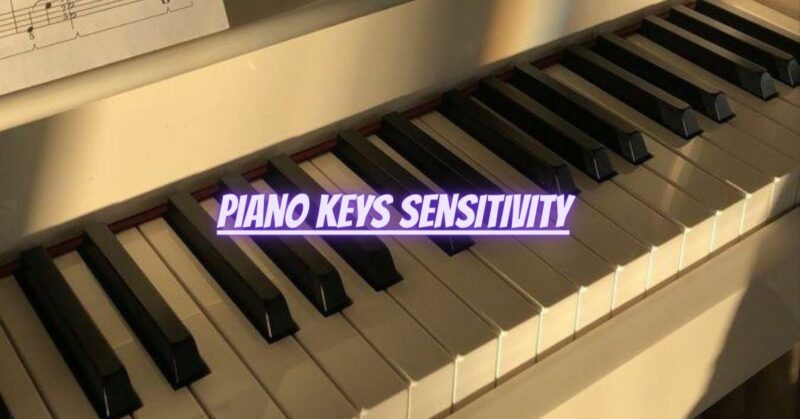
Piano keys sensitivity is a fundamental aspect of a pianist’s playing technique, referring to the responsiveness of the piano keys to touch and pressure. A sensitive touch on the keys allows the pianist to control the dynamics, articulation, and emotional expression of the music they play. It is an art that requires finesse, control, and a deep connection with the instrument. In this article, we will explore the significance of piano keys sensitivity, its impact on musical expression, and techniques to enhance sensitivity in playing.
1. Understanding Piano Keys Sensitivity:
Piano keys sensitivity refers to the varying degrees of sound produced in response to the pianist’s touch. A light touch results in a softer sound (pianissimo), while a stronger touch yields a louder sound (fortissimo).
2. Dynamics and Expressive Playing:
A sensitive touch on the keys allows pianists to achieve a wide range of dynamics, from the gentlest whispers to powerful climaxes. It enriches musical phrasing and adds emotional depth to the performance.
3. Achieving Articulation:
Piano keys sensitivity is crucial for achieving different articulation styles, such as legato (smooth and connected) or staccato (short and detached). A responsive touch enables clear and precise articulation of each note.
4. Connecting with the Instrument:
Pianists with a sensitive touch form a deep connection with the piano. They can feel the instrument’s response to their touch, leading to a more intimate and expressive musical experience.
5. Finger Control and Balance:
Developing finger control is essential for mastering piano keys sensitivity. Pianists must strike a balance between finger strength and relaxation to achieve a responsive touch.
6. Listening and Adjusting:
A sensitive touch is closely connected to active listening. Pianists must constantly listen to the sound they produce and adjust their touch accordingly to achieve the desired musical effect.
7. Practicing with Expression:
Piano keys sensitivity is honed through deliberate practice with expression. Pianists can work on phrasing exercises, dynamic variations, and playing with different articulation to refine their sensitivity.
8. Utilizing the Weight of the Arm:
Piano keys sensitivity involves utilizing the weight of the arm to produce different levels of sound. The pianist learns to balance the weight to achieve the desired dynamics.
9. Pedaling and Sensitivity:
Using the sustain pedal also requires sensitivity. Pianists must apply the pedal with a responsive touch to create a seamless blend of tones without muddying the sound.
10. Embracing Emotional Expression:
Ultimately, piano keys sensitivity allows pianists to embrace emotional expression in their playing. It enables them to convey their feelings and connect with the audience on a profound level.
Conclusion:
Piano keys sensitivity is an essential aspect of a pianist’s artistry and musical expression. By mastering a sensitive touch, pianists can create breathtaking performances that evoke emotions and leave a lasting impact on listeners. Through dedication, practice, and a deep understanding of their instrument, pianists can unlock the full potential of piano keys sensitivity. Let sensitivity be the guiding force that adds a touch of magic and brilliance to your piano playing, and allow your music to resonate deeply with hearts around the world. Happy playing!