
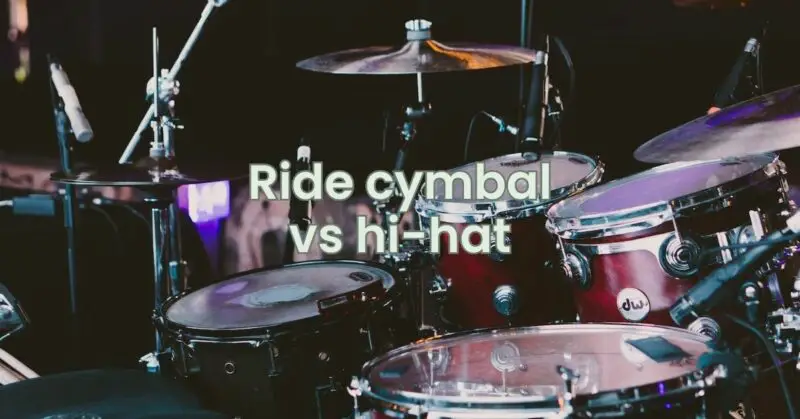
In the world of percussion, the ride cymbal and hi-hat stand as two prominent pillars, each contributing distinct textures and roles to the rhythmic landscape. As essential components of drum kits across genres, understanding the characteristics and applications of the ride cymbal and hi-hat is crucial for drummers seeking to create diverse and engaging beats. In this article, we’ll explore the differences between the ride cymbal and hi-hat, their individual sonic qualities, and the unique roles they play in shaping rhythm and groove.
Ride Cymbal: The Sonic Journey
The ride cymbal is a versatile and complex instrument that offers a wide range of tones and textures. Often positioned on the right side of the drum kit, the ride cymbal boasts distinctive attributes:
1. Defined Ping: The ride cymbal’s bell produces a clear and defined ping, which stands out in a mix and can serve as an accent or transition point.
2. Varied Tonal Zones: Different areas of the ride cymbal produce distinct tones, allowing drummers to create diverse sounds by striking different parts.
3. Sustained Wash: Beyond its ping, the ride cymbal produces a warm, sustained wash when played with the shoulder or edge, contributing to sonic complexity.
4. Dynamic Range: Drummers can produce a wide dynamic range on the ride cymbal, from delicate whispers to powerful crashes, enhancing expressiveness.
5. Ride Patterns: The ride cymbal often anchors groove patterns, such as jazz ride patterns or rock beats, providing a consistent rhythmic foundation.
Hi-Hat: The Rhythmic Backbone
The hi-hat, consisting of two cymbals mounted on a stand and operated by a pedal, is a rhythmic powerhouse that maintains a steady pulse and provides intricate textures:
1. Rhythmic Precision: The hi-hat is known for its ability to provide rhythmic precision, creating consistent patterns that define the groove.
2. Dynamic Control: Drummers can control the hi-hat’s openness, ranging from tight closed sounds to expressive and airy open sounds.
3. Pulse and Groove: The hi-hat’s consistent sound serves as the pulse that drives the rhythm forward, maintaining a steady beat.
4. Expressive Variation: By varying foot pressure and pedal technique, drummers can produce a wide range of sonic variations, adding nuance.
5. Transition Elegance: The hi-hat is used for transitioning between various sections of a song, such as moving from a verse to a chorus.
Choosing Between Ride Cymbal and Hi-Hat:
Selecting between the ride cymbal and hi-hat depends on the musical context and the desired rhythmic expression:
- Ride Cymbal: If you’re seeking tonal complexity, dynamic range, and the ability to create diverse textures, the ride cymbal is a versatile choice. It excels in providing accent points and tonal variations.
- Hi-Hat: When precision, rhythmic control, and groove foundation are essential, the hi-hat takes the lead. It’s ideal for maintaining a steady beat and creating rhythmic patterns.
Conclusion: Crafting Percussive Symphony
The interplay between the ride cymbal and hi-hat is a dynamic duet that elevates drumming and percussion. Each instrument contributes its unique voice to the rhythmic ensemble, enhancing musical expression and groove. Whether you’re riding the nuanced tones of the cymbal or anchoring the rhythm with the hi-hat’s rhythmic pulse, remember that you’re part of a percussive symphony that shapes the sonic tapestry of every composition. Embrace the sonic diversity, experiment with tonal possibilities, and celebrate the rhythm that unites the ride cymbal and hi-hat in a harmonious rhythmic dance.