
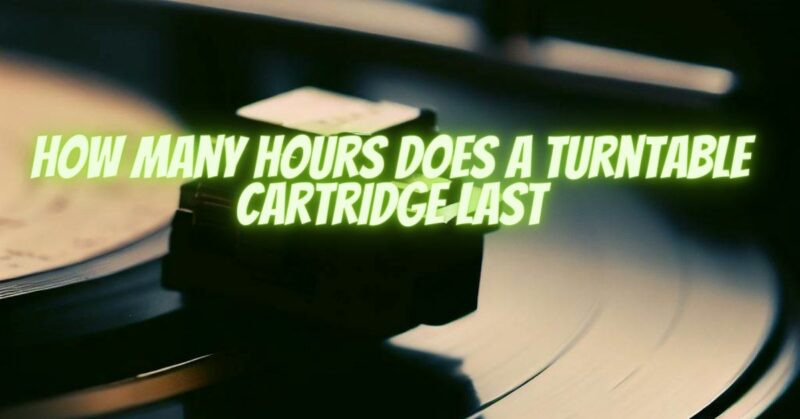
A turntable cartridge is the heartbeat of a vinyl playback system, translating the intricate grooves of a record into the musical notes that resonate through our speakers. Just like any mechanical component, turntable cartridges have a finite lifespan that raises questions about their durability and maintenance. This article delves into the factors that influence the longevity of a turntable cartridge and offers insights into extending its lifespan.
The Role of a Turntable Cartridge
A turntable cartridge is a small but crucial component that houses the stylus (needle) responsible for reading the grooves on a vinyl record. As the stylus navigates the record’s surface, it generates electrical signals that are then amplified and transformed into the music we hear. This process demands precision and delicacy, making the cartridge’s health and performance essential for maintaining high-fidelity audio.
Factors Affecting Lifespan
- Usage Hours: The most significant factor impacting a turntable cartridge’s lifespan is the number of hours it is used. On average, cartridges can last anywhere from 500 to 2,000 hours of playtime. The range is influenced by the quality of materials, craftsmanship, and design of the cartridge.
- Tracking Force and Alignment: Proper setup plays a pivotal role in extending cartridge life. Incorrect tracking force and misalignment can lead to uneven wear on the stylus, causing premature wear and reduced sound quality.
- Stylus Shape and Material: The shape and material of the stylus tip influence how well the cartridge tracks the grooves. A higher-quality stylus made of durable materials will generally have a longer lifespan.
- Record Condition: The condition of your vinyl records also impacts cartridge longevity. Well-maintained records with minimal scratches and dust will help reduce wear on the stylus.
- Playback Environment: Environmental factors like dust, humidity, and temperature can affect a cartridge’s performance and lifespan. Dust particles can accumulate on the stylus and degrade sound quality, while extreme humidity or temperature changes can impact delicate cartridge components.
Prolonging Cartridge Lifespan
- Proper Setup: Adhere to manufacturer guidelines for setting up tracking force and alignment during cartridge installation. This ensures optimal performance and minimizes unnecessary wear.
- Regular Cleaning: Keep both your stylus and records clean to prevent dirt buildup. A clean stylus not only extends its life but also improves sound quality.
- Stylus Protection: When your turntable is not in use, consider using a stylus guard to shield the stylus from accidental bumps and damage.
- Gentle Handling: Handle records and the tonearm with care to avoid damaging the stylus or other components. Use a soft brush or antistatic cloth to clean records before playback.
- Replacement Awareness: Keep track of your cartridge’s usage hours and be prepared to replace it when it approaches its expected lifespan. Continuing to use a worn-out cartridge can result in poor sound quality and may even damage your records.
The turntable cartridge, though small in size, is a vital component responsible for translating the musical magic embedded in vinyl records. Its lifespan is influenced by factors such as usage hours, tracking force, stylus material, and record condition. Through proper setup, regular maintenance, and careful handling, enthusiasts can prolong the life of their turntable cartridges, ensuring that the beauty of analog music remains vibrant and accurate for many hours of enjoyment. Being mindful of usage, maintenance, and replacement needs will preserve both the health of your cartridge and the fidelity of your musical experience.