
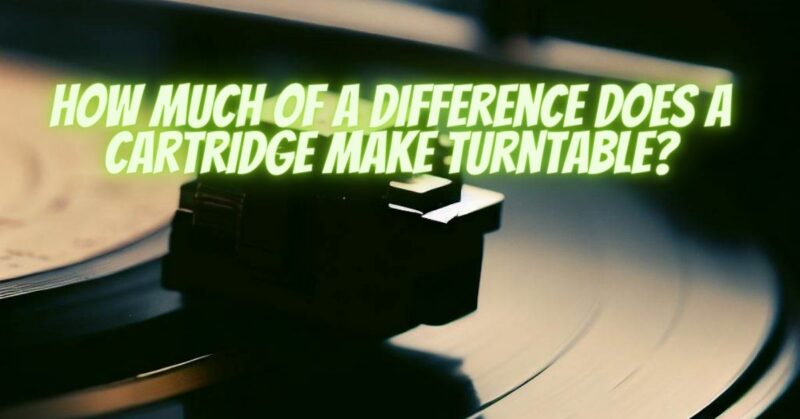
When it comes to vinyl playback, the turntable itself often takes center stage, with its elegant design and mesmerizing spinning platter. However, one of the most crucial components influencing the quality of sound reproduction is the cartridge. This unassuming device, perched at the end of the tonearm, can have a profound impact on the overall performance of your turntable setup. In this article, we delve into the significance of cartridges and explore just how much of a difference they can make.
Cartridges: The Heart of the Matter:
A cartridge is more than just a needle that traces the grooves of a vinyl record. It’s an intricate system of components that work together to translate the physical movements of the stylus into electrical signals that eventually become the music you hear. The quality of this translation process can significantly affect the audio fidelity and overall listening experience.
The Sound Signature:
Different cartridges have distinct sound signatures that arise from their design, materials, and engineering. These nuances can impact various aspects of audio reproduction:
- Frequency Response: A high-quality cartridge can provide a wider and more accurate frequency response. This means you’ll be able to hear more details, from the delicate shimmer of cymbals to the deep resonance of bass notes.
- Detail Retrieval: The level of detail a cartridge can capture is crucial. It affects the clarity of the soundstage, enabling you to pick out individual instruments and voices with greater precision.
- Tracking Ability: Cartridges vary in their ability to maintain proper tracking of the grooves, especially during complex or demanding musical passages. A better tracking ability reduces distortion and wear on your vinyl.
- Tonality and Dynamics: Cartridges can influence the tonal balance of your playback system, affecting the warmth, brightness, and overall character of the sound. They also impact dynamic range, allowing for more lifelike peaks and valleys in the music.
The Role of Turntable and Setup:
It’s important to note that the performance of a cartridge isn’t solely determined by the cartridge itself. The quality of your turntable, tonearm, phono preamp, and speakers also play significant roles. A high-quality cartridge on a poorly calibrated turntable might not reach its full potential, and conversely, a subpar cartridge on a top-notch turntable might not deliver the expected results.
Upgrading Your Cartridge: How Much of a Difference?
Upgrading your cartridge can indeed have a substantial impact on your turntable’s performance, but the extent of this impact depends on various factors:
- Starting Point: If you’re upgrading from a budget cartridge that came with your turntable, even a mid-range cartridge can bring about a noticeable improvement in sound quality. However, the difference might be less pronounced if you’re already using a decent cartridge.
- Overall System Quality: The better your turntable and audio setup, the more you’ll be able to appreciate the nuances introduced by a higher-quality cartridge.
- Listening Environment: The acoustics of your listening room also play a role. A well-treated room with quality speakers will allow you to perceive subtle changes in sound more accurately.
- Musical Preferences: If you’re an audiophile seeking minute details and an immersive experience, you’ll likely notice the impact of a cartridge upgrade more keenly than someone who enjoys casual listening.
The cartridge is a vital component in the chain of vinyl playback, influencing aspects of sound quality from tonality to detail retrieval. While it’s not the sole factor in achieving exceptional sound, it plays a significant role in enhancing the overall experience. Whether you’re a dedicated audiophile or a casual listener, the decision to upgrade your cartridge can elevate your vinyl journey to new heights. It’s an investment that can breathe new life into your favorite records and offer a deeper connection to the music you love.